Decorative Furniture Panels and Ornament Culture
·Revised
Decorators Are Welcome
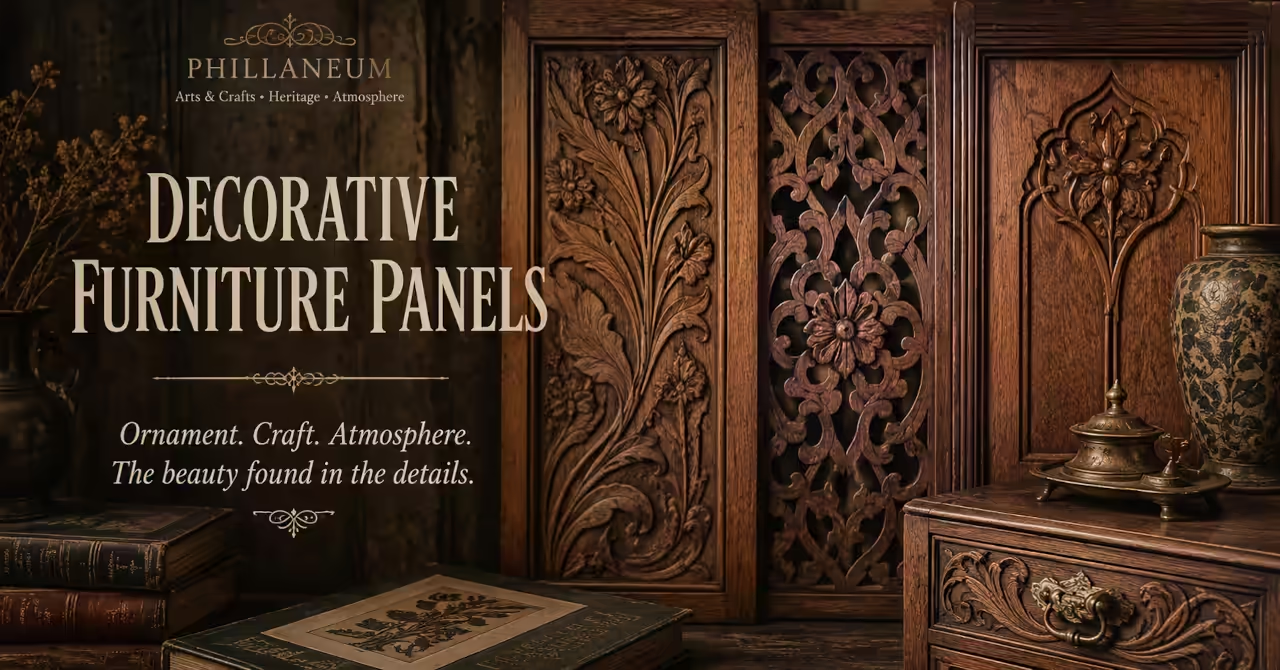
Decorative furniture panels are among the most overlooked surfaces in the historic interior. They appear on cabinets, dressers, sideboards, wardrobes, doors, wall fragments, and salvaged architectural pieces, yet they often carry the richest evidence of taste, craft, ornament, atmosphere, and domestic imagination.
This topic page gathers Phillaneum articles exploring decorative panels as objects of craft, collector interest, emotional atmosphere, cultural memory, and visual discovery. The collection moves from practical identification and buying language through to Victorian interiors, Edwardian ornament, decorative salvage, domestic stagecraft, and the psychology of rooms shaped by carved, pierced, embossed, or panelled surfaces.
Begin with the historical source article, then follow the modern studies through buyer guides, cultural essays, atmosphere collections, and collector pathways.
Historical Starting Points
-
Designer Decorative Panels (1902)
A period source article from the Journal of Crafts and the historical anchor for this topic. -
Decorative Furniture Panels
The original Phillaneum overview article and foundation piece for the decorative panel cluster.
Featured Debate
The Decorative Panels Great Debate is the central editorial argument of this cycle: not whether decorative panels are interesting, but whether modern interiors have forgotten how to live with ornament, memory, craft, and visual complexity.
Read the Great Debate: Why Antique Decorative Panels Captivate?
Decorative Panel Articles
Practical Guides and Collector Pathways
- 5 Decorative Furniture Panel Styles for Vintage Homes
- Decorative Panels for Cabinets, Doors, and Dressers
- Strange Decorative Furniture Details Buyers Now Obsess Over
- Pierced Fretwork Panels Collectors Rarely Ignore Today
- Why Decorative Furniture Panels Photograph So Exceptionally Well
- The Decorative Panel Styles eBay Buyers Always Notice
- The Vintage Decorative Panel Searches Experts Actually Use
- From Panel Detail to Collector Search
- Forgotten Victorian Panels Hidden Inside Old Furniture
- Why Decorative Salvage Feels More Authentic Than Modern Decor
Domestic Ornament and Cultural Atmosphere
- Why Needlework and Decorative Panels Once Belonged Together
- The Emotional Warmth of Ornamented Victorian Homes
- Decorating a Home Like a Forgotten Victorian Theatre
- Victorian Shadow Fretwork Throw Pillows
- Secret Library Interior Atmosphere Collection
- Decorative Furniture Panels and the Theatre of Domestic Life
- Why Decorative Furniture Panels Feel So Cinematic Today
- Lost Edwardian Hotel Wallpaper Collection
- The Decorative Furniture Style That Sci-Fi Forgot Entirely
- Why Decorative Panels Once Signalled Good Taste
Room Psychology, Stagecraft, and Interior Memory
- Stop Ignoring the Furniture Front
- Furniture Panels for the Ghost Room
- Why Not Furnish Around the Panel?
- The Decorative Panel as Domestic Stagecraft
- The Lost Psychology of Panelled Furniture
- The Secret Life of Furniture Surfaces
- Photographing Decorative Panel Details
- Why Decorative Panels Make Rooms Feel More Intelligent
- Decorative Panels for Homes That Feel Like Secret Libraries
- Homes Once Whispered Stories Through Decorative Ornament
Ornament, Salvage, and Long Cultural Memory
- Why Decorative Panels Feel Like Fragments of Lost Civilisations
- Why Art Nouveau Panels Feel So Strangely Modern
- Edwardian Furniture Panels with Remarkably Rich Ornament
- Decorative Wall Fragments That Feel Like Lost Artworks
- Why Decorative Ornament Became Socially Unfashionable
- Why Antique Decorative Panels Still Captivate Us
- Why Antique Decorative Panels Still Captivate Us
News & Trends
Author's Notes
Notes & Memoranda
Curatorial Observations
These notes define the editorial perspective used throughout this topic collection. They help connect individual articles into a shared Phillaneum view of decorative practice, historical continuity, material culture, and the continuing life of older design ideas.
- Decorative panels are not merely historical ornament. Across centuries, decorators have used screens, carved surfaces, layered textures, and panelled interiors to shape privacy, atmosphere, warmth, and spatial identity within rooms.
- Many modern interior trends continue older decorative ideas using newer materials and scientific language. Acoustic wall panels, textured architectural surfaces, and spatial dividers often solve practical and emotional problems long recognised within historic interiors.
- Phillaneum treats decorative furniture panels as part of a long-running conversation between craftsmanship, technology, domestic life, and human environmental comfort rather than isolated antique curiosities.
- Salvage, restoration, reuse, and material continuity are viewed as forms of practical decorative intelligence. Older decorative systems often contain durable spatial, visual, and environmental ideas still relevant today.
- Decorative interiors are approached as lived environments shaped by atmosphere, privacy, texture, light, sound, memory, and social behaviour rather than purely visual decoration.
Mentions & Echoes
The following articles extend or reflect the ideas explored here, returning to similar questions through different materials, contexts, and lines of inquiry.
- The Phillaneum Gazette 005 – Decorative Furniture Panel Special – dedicated special edition bringing together the major discoveries, debates, collections, and reflections arising from the Decorative Furniture Panels editorial cycle.
Disclosure
This topic collection explores decorative furniture panels through historical interpretation, collector culture, interior atmosphere, and visual analysis. The articles are intended as curated editorial studies rather than formal conservation advice or exhaustive histories of decorative arts. Readers seeking deeper technical or academic detail should consult primary period sources, restoration specialists, and dedicated studies of Victorian and Edwardian interior design.