Decorative Furniture Panels and the Theatre of Domestic Life
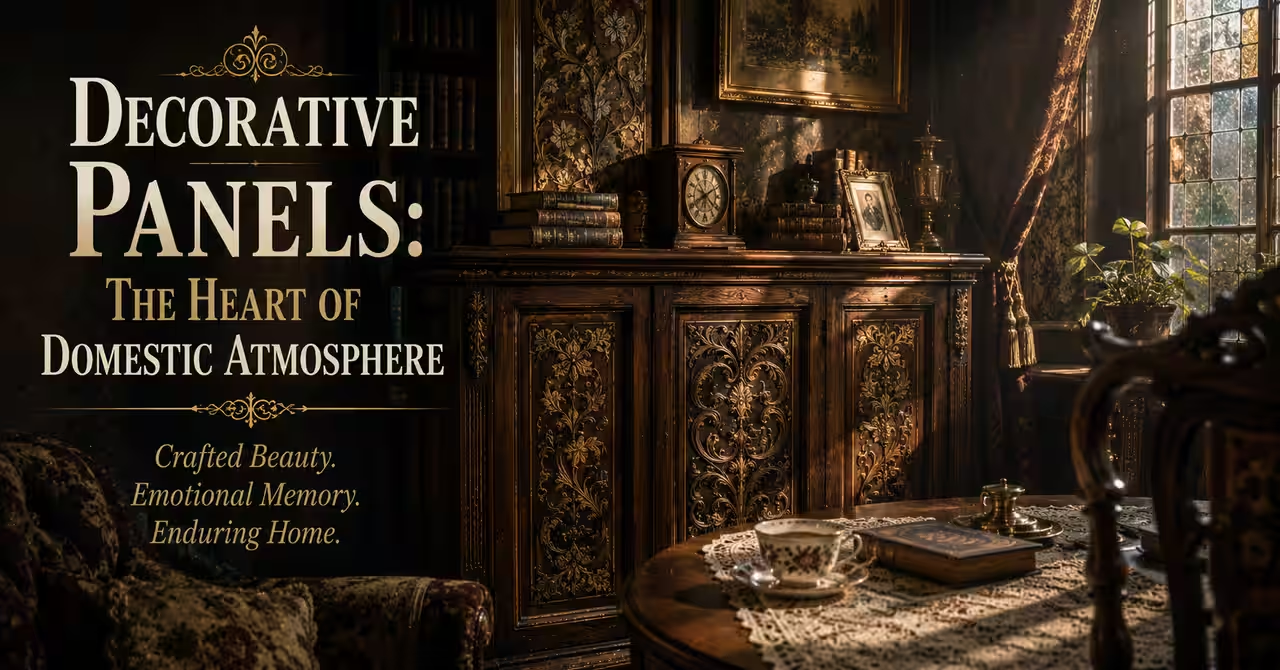
Decorative Panels: The Heart of Domestic Atmosphere
In the quiet corners of Victorian parlours and the well-worn spaces of Edwardian homes, decorative furniture panels served not just as embellishments but as integral elements of emotional landscapes. Crafted from rich timbers, these ornate panels elevated functional objects into expressive statements, echoing the lives woven around them. As light streamed through sash windows, soft shadows danced across their polished surfaces, enhancing the beauty of every carved detail.
Each panel, whether beautifully inlaid or intricately carved, tells a story shaped by years of touch and wear. A recess in a cabinet, where dust settles like whispering memories, resonates with laughter and the conversations shared in these rooms. In the dining area, the warmth of a wood-grained table becomes a stage for family gatherings, cultivating an atmosphere of celebration and connection.
Ornament as Emotional Dialogue
Home decoration during the Victorian and Edwardian eras was imbued with societal expectations and personal values. Decorative panels emerged as key elements within this cultural tapestry, transcending mere aesthetic appeal. They served as markers of status while creating a sense of warmth and hospitality. The richness of their designs, embellished with floral motifs or serene woodland scenes, fostered a dialogue between family members and visitors alike.
In cozy reading rooms, where a lamp casts a gentle glow over a richly patterned panel, the atmosphere invites quiet contemplation. Families often selected motifs with intention; a floral design might symbolize affection, while leafy etchings signified growth. These choices reflected not only aesthetic preferences but the emotional states and aspirations of the inhabitants.
The Layers of Restoration: Bridging Past and Present
Today, the restoration of decorative panels invites us into a meaningful dialogue with history. Each effort to revive faded colors or polish time-darkened timber opens an opportunity to engage with past narratives. As the warm hues of newly restored panels gleam in the sunlight, we bridge the temporal divide, reclaiming stories once etched into their very grains.
This restoration reflects our own identities; each polished surface stands as a testament to family experiences and traditions, evoking memories long housed within the wood. In an Edwardian hallway adorned with intricate designs, one can feel the weight of stories whispered through shadows, tales of gatherings, quiet reflections, and celebratory moments.
Creating Atmosphere Through Decorative Elegance
Entering a Victorian parlour, you immediately sense the atmosphere created by extensive ornamentation. The interplay of colors, patterns, and materials generates an emotional richness that transforms fleeting moments into lasting impressions. A reading room is not merely a collection of books and furniture; it becomes a sanctuary where warmth intertwines with crafted elegance, fostering an inviting experience. Here, the panels serve as more than mere backdrops; they actively engage in the unfolding life around them.
Every piece, the polished wood of the furniture, the textures of upholstery, envelops visitors in a cocoon of comfort and grace, framed by the elegance of decorative features. Elaborate wallpaper and rich textiles contribute to an atmosphere steeped in anticipation, nostalgia, and sometimes longing. Each interaction within this space signifies more than just the physical presence of furniture; it forms a tapestry of emotional experiences interwoven with social etiquette.
Cultural Narratives Encased in Domestic Space
The intricate layering of design and emotional resonance reveals the cultural narratives defining Victorian and Edwardian homes. More than mere backdrops, these spaces actively shaped social interactions and personal identities. Guests and residents alike embraced their roles, with dialogues, confessions, and unscripted moments woven into the decorative fabric of their homes.
Encounters within these environments were marked by the ornamentation surrounding them, fostering interactions imbued with cultural traditions of hospitality. Each decorative choice, from a vibrant floral panel to an intricate geometric motif, conveyed aspirations, tastes, and the narratives of a household. The elegance of these panels not only reinforced social structures but encouraged individual expression.
As we engage with these decorative features today, we explore a landscape rich in aesthetic delight and emotional intelligence where past and present interlace. Through the stories held within each panel, we unearth pathways to a deeper understanding of the lives that once flourished within these walls. By appreciating the craftsmanship, joinery, patina, and small imperfections, we acknowledge the complex interplay of artistry and domestic life.
For further insights into how ornamentation and personal expression shaped domestic interiors, explore our articles on Decorating a Home Like a Forgotten Victorian Theatre, revealing the grandeur interwoven into daily life; Why Needlework and Decorative Panels Once Belonged Together, which highlights the intersection of craft and design, illuminating how these elements defined individual and collective identities. Through these narratives, we return to the essence of home, reflecting on the delicate artistry that has shaped our domestic lives.
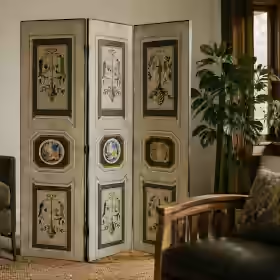
Browse surviving decorative panels, carved cabinets, and vintage room dividers currently circulating through the collector market.
Author's Notes
Notes & Memoranda
As is often the case, the subject extends beyond the bounds of a single article. The notes and memoranda below gather together useful definitions, related observations, references, and occasional curiosities discovered along the way.
Further Reading…

Disclosure
This article explores decorative furniture panel styles commonly associated with Victorian and Edwardian interiors, including carved oak, fretwork, embossed ornament, inlaid surfaces, and decorative veneers. The feature is presented in the curatorial style of Phillaneum.com and combines decorative commentary, historical interpretation, and atmosphere-focused interior observations. It is intended as an introductory editorial guide rather than a formal restoration manual, valuation guide, or conservation reference.