Decorative Furniture Panels: May 2026 Design Notes
·Revised
Latest News
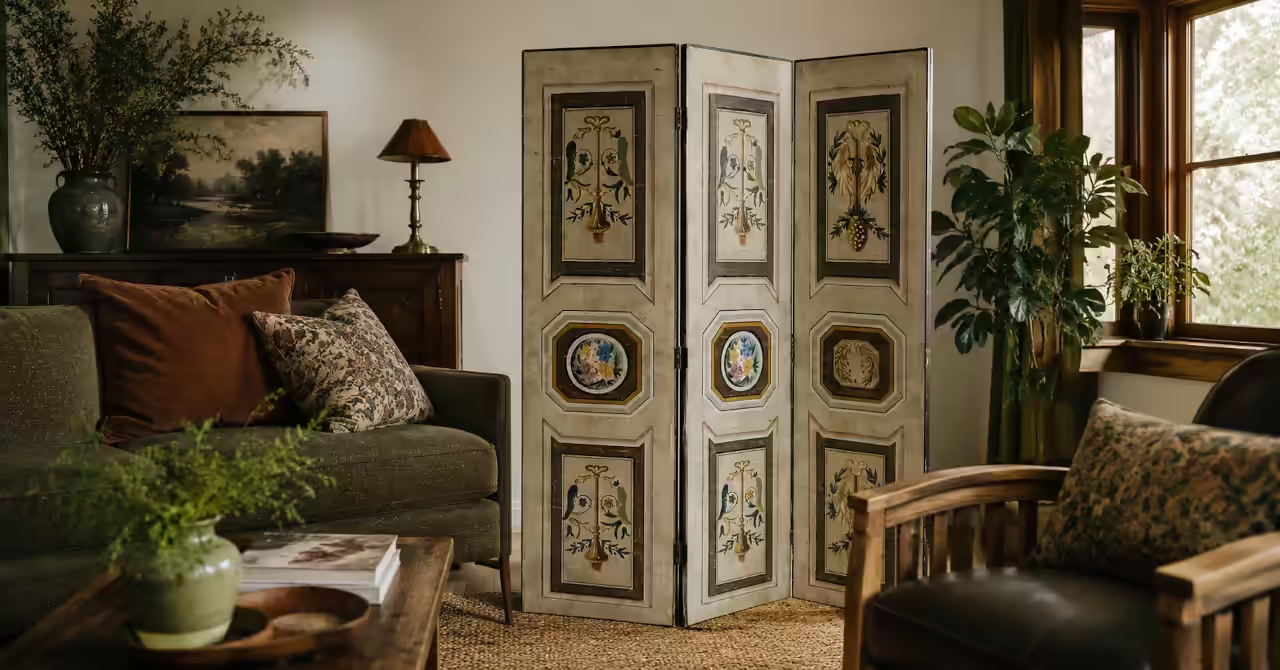
May 2026 has made decorative panels feel newly relevant, not merely as surface fashion but as a response to how people now live inside open, noisy and visually exposed homes. The renewed interest in fluted timber, acoustic slats, moveable dividers and textured engineered surfaces suggests a deeper cultural turn: modern rooms are searching for softer boundaries. What once appeared in Arts & Crafts interiors as privacy, shelter, ornament and atmosphere is returning in contemporary language as acoustic comfort, flexible zoning and emotionally warmer space.
Feature Spotlight—Flexible Spaces
One of the more revealing interior trends of 2026 is the quiet return of decorative panels as flexible domestic architecture. Across contemporary homes, designers are increasingly using timber slat systems, acoustic wall panels, moveable dividers and textured engineered surfaces to soften open-plan interiors that many people now experience as visually tiring, noisy and emotionally exposed.
What makes this development particularly fascinating is that earlier generations were often solving remarkably similar problems, even if they used different language. Arts & Crafts interiors regularly employed folding screens, decorative partitions, carved timber dividers and layered room arrangements to create privacy, intimacy and atmospheric separation within domestic life. These spaces were not merely decorative. They helped shape mood, focus, conversation and retreat.
Modern interiors are now rediscovering many of these same instincts through contemporary materials and engineering. Felt-backed acoustic slats, lightweight architectural screens and modular decorative systems offer flexible ways to create breakout corners, reading spaces, visual shelter and softer acoustic environments without permanent structural renovation.
Perhaps the deeper cultural insight is this: after decades of pursuing openness and minimalism, many homes are once again searching for warmth, enclosure and emotional texture. Decorative panels are returning not simply because they look beautiful, but because they help rooms feel more human.
Key Trends to Watch
1. Acoustic Decorative Surfaces
Decorative panels are increasingly being used to soften the acoustic harshness of open-plan living. Timber slat systems, felt-backed wall treatments and textured surfaces now serve both architectural and emotional functions. Older interiors often achieved similar effects through curtains, screens and layered furnishings. The modern difference is that today’s materials turn those older domestic instincts into modular acoustic systems.
2. Super-Matt and Anti-Fingerprint Panels
High-use furniture surfaces are moving toward low-sheen finishes that feel refined while resisting daily handling. Super-matt and anti-fingerprint panels suit kitchens, cabinets, wardrobes and media units because they preserve visual calm without constant polishing. Culturally, this is practical beauty: surfaces that allow homes to be lived in, touched and used while still maintaining the composed atmosphere associated with contemporary interiors.
3. Moveable Interior Boundaries
Room dividers, folding screens and lightweight partitions are returning as people search for adaptable domestic spaces. Rather than permanently dividing rooms, these panels create temporary privacy, reading corners, work zones and softer transitions between activities. Victorian and Edwardian interiors often used similar layered arrangements. The modern revival suggests that emotionally comfortable homes often need partial separation, not endless visual openness.
4. Warm Textured Minimalism
Contemporary interiors are shifting away from stark white minimalism toward warmer surfaces with visible grain, shadow depth and tactile texture. Fluted oak cabinetry, ribbed timber panels and matte architectural finishes introduce softness without abandoning modern simplicity. The result is not a return to heavy ornament, but a humanised minimalism where rooms feel calmer, more layered and more emotionally inhabited.
5. Recycled and Circular Materials
Recycled MDF, composite panels and sustainability-led surfaces are becoming part of the decorative panel conversation. These materials matter not only for specification value, but for story value: buyers increasingly want surfaces with purpose, provenance and reduced waste. The historical echo is interesting too. Older decorative cultures often reused, adapted and repurposed materials naturally. Circular design may be modern language for an older habit of making beauty last.

From the Reading Room
One of the more surprising discoveries within the current decorative panel revival is how closely many modern interior concerns resemble those discussed more than a century ago. Readers exploring Designer Decorative Panels from the September 1902 edition of The House Journal of Arts and Crafts may notice that earlier decorators were already experimenting with layered interiors, movable screening, decorative separation and atmospheric room design long before contemporary language such as “acoustic treatment” or “flexible zoning” existed.
This article reveals an older domestic instinct often forgotten during the age of hard minimalism: homes function best when they provide visual warmth, moments of privacy and softer transitions between activities. Modern decorative panels may therefore represent less a new trend than a rediscovery of older ideas now reinterpreted through contemporary engineering, recycled materials and modular interior systems. Read Designer Decorative Panels at Phillaneum.com.
What This Means
The renewed interest in decorative furniture panels may ultimately reveal something deeper than changing interior fashion. Across many contemporary homes, people appear to be rediscovering the emotional value of layered, flexible and visually softer living spaces after decades dominated by openness, hard surfaces and minimalist reduction.
For much of the twentieth century, decorative panels were often dismissed as old-fashioned ornament or unnecessary visual weight. Yet the historical record suggests these surfaces once performed important cultural and emotional functions within domestic life. Folding screens, carved partitions, layered furnishings and decorative room dividers helped shape privacy, atmosphere, retreat and social rhythm inside the home long before modern architecture introduced terms such as acoustic treatment, breakout spaces or flexible zoning.
What makes the current revival particularly fascinating is that contemporary interiors are now approaching many of the same human problems from a new technological direction. Engineered acoustic panels, recycled composite materials, modular dividers and textured architectural systems are increasingly being used to soften open-plan environments that many people experience as visually tiring or emotionally exposed.
Perhaps the deeper insight is that decorative panels were never solely about ornament. They were part of a broader domestic language concerned with comfort, intimacy and emotional atmosphere. Earlier generations understood that rooms often function best when they contain layers, boundaries, shadows and moments of enclosure rather than uninterrupted visual openness.
Modern decorative panels may therefore represent less a return to the past than a rediscovery of older spatial instincts adapted for contemporary living. In this sense, the decorative panel becomes more than furniture styling. It becomes a quiet cultural signal that many homes are once again searching for warmth, privacy and emotional texture within everyday life.
Author's Notes
Notes & Memoranda
"Decorative panels are returning not simply because they look beautiful, but because they help rooms feel more human."
Mentions & Echoes
The following articles extend or reflect the ideas explored here, returning to similar questions through different materials, contexts, and lines of inquiry.
- The Phillaneum Gazette 005 – Decorative Furniture Panel Special – expanded many of the observations first recorded in these design notes, developing them into a wider exploration of ornament, atmosphere, craftsmanship, and decorative living.
Further Reading…


References
- Houzz Editorial Trends and Interior Design Features, Houzz (retrieved May 2026).
- Wall Panelling Trends and Designs, Advance Laminates (retrieved May 2026).
- Interzum International Furniture Production and Interior Design Fair, Koelnmesse GmbH (retrieved May 2026).
- Interior Design and Surface Material Features, Dezeen (retrieved May 2026).
- Designer Decorative Panels, The House Journal of Arts and Crafts, Phillaneum.com (retrieved May 2026).
Disclosure
This editorial feature examines contemporary decorative furniture panel trends observed during May 2026, including fluted timber surfaces, textured cabinetry, acoustic wall systems and warm material palettes. The article is presented in the curatorial style of Phillaneum.com and combines design commentary, historical interpretation and interior culture analysis. It is intended as a guided editorial overview rather than a technical specification guide, purchasing recommendation or formal academic survey of decorative arts and furniture manufacturing. Readers seeking conservation guidance, trade installation advice or detailed material performance information should consult qualified furniture makers, interior designers, manufacturers and specialist restoration professionals.