Vintage Culture
Vintage culture reveals how earlier societies understood taste, status, persuasion, and everyday life. Through advertisements, decorative objects, printed ephemera, and historical commentary, this section examines the cultural language of the past as something lived, displayed, and debated. Rather than treating old artefacts as isolated remnants, these articles place them back into the worlds that gave them meaning.
Latest Articles
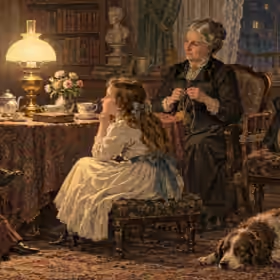
What Victorians Did
In Their Evenings?
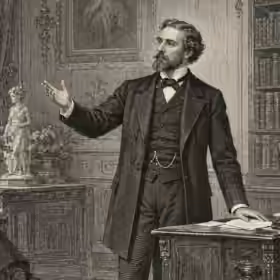
The Victorian Art
of Speaking (1879)
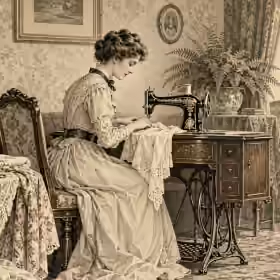
The Victorian
Sewing Machine
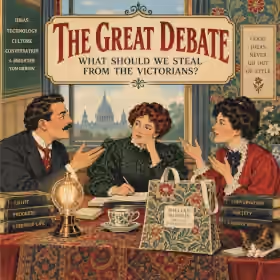
What Should We Steal From Victorians?
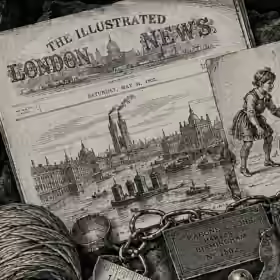
What Was Victorian
Life Really Like?
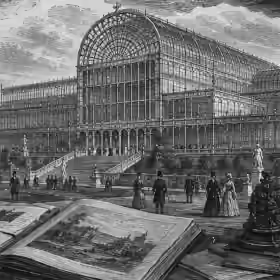
5 famous artefacts
lost forever
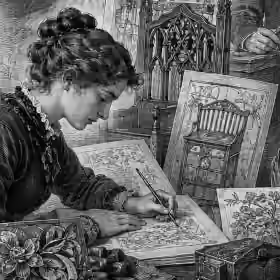
15 Victorian Artists
Worth Knowing
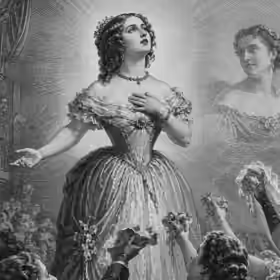
10 Famous Singers
We Will Never Hear
Mythical Legends

Life, Society & Curiosities
Explore Victorian manners, pastimes, occupations, food and the stranger corners of social life, along with cultural ideas that reveal how people thought and behaved.

5 Witches in
Victorian Folklore
7 Rare Victorian
Measurement Units
4 Victorian Dishes
We'd Never Eat
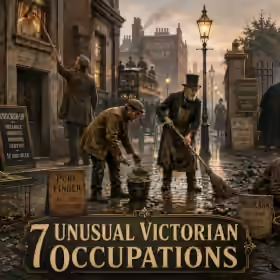
7 Unusual Victorian
Occupations
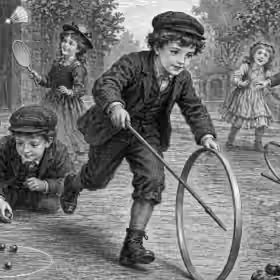
6 Common Victorian
Children's Games
How the Elite defined
luxury & taste
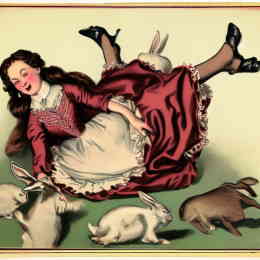
Mary Toft gives
birth to Rabbits

Science Fiction
Space Soap Operas
Art, Design & Cultural Ideas
Discover architecture, decorative arts, artistic movements and the sources through which we interpret and rediscover the culture of the past.

Victorian Era
Architectural Tradition
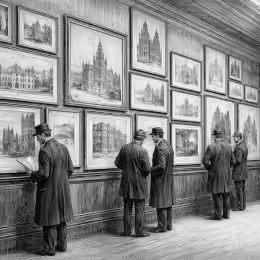
Glasgow Institute
Architecture Exhibition

Victorian Era
Egyptomania Decor

Macclesfield
School of Art

The influence of
Art Schools
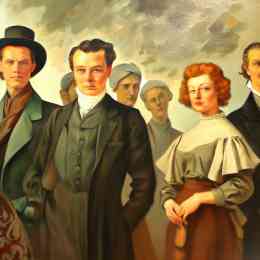
5 iconic arts &
crafts artists
Using Curator Notes in Dense Articles
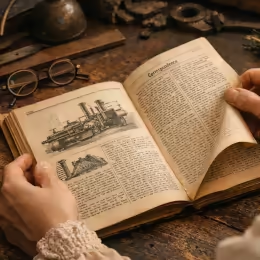
How to read vintage
trade journals
Guide to Accomplishments
Reader’s Note
Culture, in the Victorian imagination, belonged not only to the drawing room, but to anyone willing to learn how to see. Through books, exhibitions, catalogues, and the quiet study of objects, a generation of readers and makers trained their eye to recognise beauty, quality, and intention. Taste was not inherited, but assembled over time. Here, culture is approached as a practice of attention, where the ordinary becomes meaningful through observation, and where the past offers not just artefacts, but ways of seeing.