5 Types of Witches in Victorian Folklore
·Revised
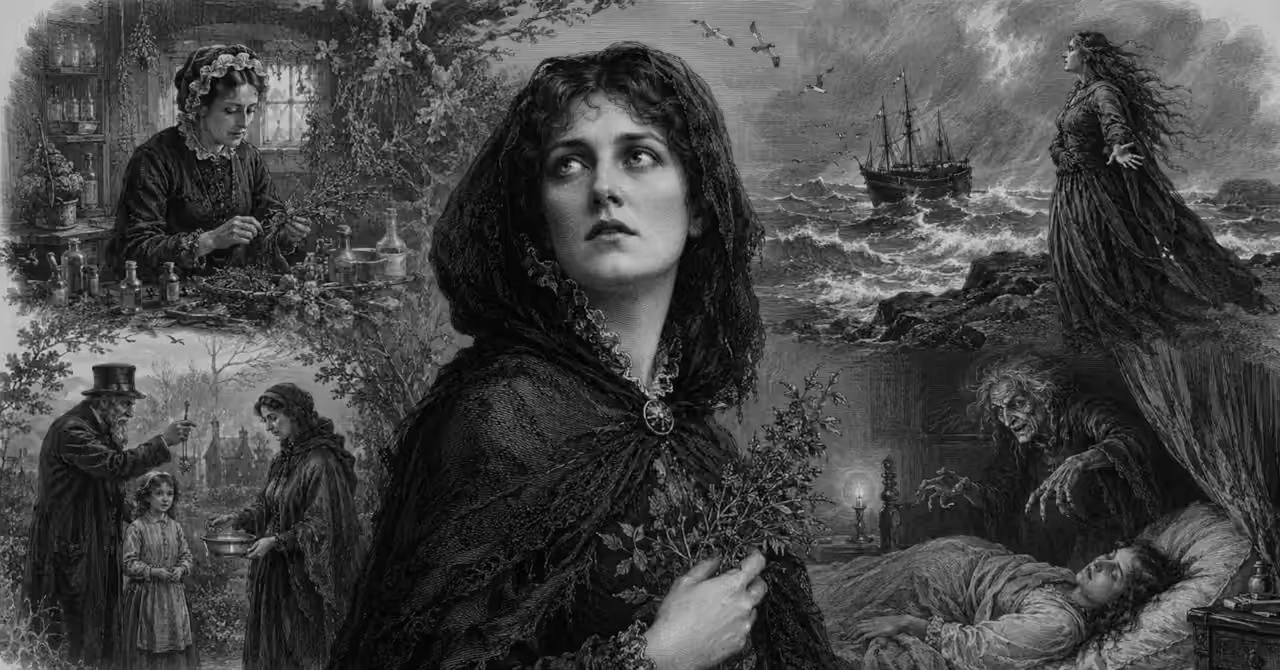
The Victorian age is remembered for railways, factories, scientific discovery and an almost unstoppable belief in progress. Yet beyond the gaslit streets and respectable parlours, older supernatural traditions remained surprisingly persistent. Stories of charms, curses, prophetic dreams and mysterious women still circulated through rural villages, fishing communities and working-class neighbourhoods.
Victorians did not maintain an official classification of witches. The following figures are better understood as recurring kinds of witches, healers and supernatural beings described in nineteenth-century folklore. Some were approached for help, some were blamed for misfortune, and others belonged almost entirely to the frightening world of night-time storytelling. Together, they show how traditional belief survived alongside modern Victorian life.
1. The Village Wise Woman
Nearly every isolated community depended upon people who possessed useful knowledge that was not easily obtained from books. The village wise woman might understand medicinal herbs, childbirth, animal ailments, household remedies and the habits of the local countryside. She could prepare a poultice for an aching joint, suggest a tea for sleeplessness or identify the plant traditionally used to soothe a fever.
None of this necessarily made her a witch. Much of her knowledge may have been practical experience passed between generations. Nevertheless, unusual knowledge could easily acquire a supernatural reputation. A successful remedy became a sign of hidden power, while an unsuccessful one could be interpreted as evidence that she had withheld her assistance.
People might also visit a wise woman for matters that sat somewhere between medicine and magic. She could be asked to interpret a troubling dream, provide a charm for a nervous child or advise whether repeated bad luck had a supernatural cause. Her position was therefore complicated: respected when useful, suspected when feared and remembered in folklore long after the details of her real life had disappeared.
2. The Cunning Man or Cunning Woman
The cunning man or cunning woman occupied an even more specialised place in popular belief. These practitioners were usually consulted not to cast harmful spells, but to counteract them. Someone who believed that a cow had been bewitched, a child had been cursed or a household had fallen under an evil influence might travel considerable distances to obtain their help.
Their methods varied. Some supplied written charms, herbal mixtures or protective objects. Others used prayers, passages from the Bible, astrology or rituals whose origins were not always clear. They might also claim to locate stolen property, identify a thief or reveal the person responsible for an unexplained misfortune.
In an age before reliable policing, accessible medical care or modern psychology, the cunning practitioner could act as healer, investigator and spiritual adviser at once. The irony is striking: people accused of practising magic were often sought out as protection against other supposed practitioners of magic. Victorian society might publicly celebrate reason, yet privately many people remained willing to consult someone who promised answers that ordinary institutions could not provide.
3. The Hedge Witch
The modern phrase “hedge witch” should be used cautiously when discussing Victorian folklore, because nineteenth-century people did not necessarily employ it as a precise category. Even so, it usefully describes a recurring folkloric figure: the solitary person living near the edge of a village, close to fields, woods, marshes or uncultivated ground.
The hedge was more than a physical barrier. It separated the ordered world of farms and cottages from the less predictable countryside beyond. Someone who regularly crossed that boundary to gather roots, mushrooms and medicinal plants could appear to possess knowledge inaccessible to ordinary villagers.
A widow living alone, an elderly herbalist or an eccentric woman who preferred the company of animals might gradually become the subject of stories. If she understood when certain plants flowered, where rare herbs grew or how to treat an injured animal, neighbours could admire her skill while remaining uneasy about its source.
Folklore often transformed social outsiders into magical figures. The supposed hedge witch therefore reveals as much about loneliness, poverty and community suspicion as it does about supernatural belief.
4. The Sea Witch
Coastal communities developed their own distinctive traditions. Fishermen and sailors worked in an environment that could change from generous to deadly within hours. A calm morning might become a violent storm, a familiar vessel might fail to return, and an entire season’s income could depend upon weather that nobody could control.
In such places, stories arose about people who could predict storms, summon winds or interfere with a ship’s fortune. A so-called sea witch might be credited with warning sailors away from danger. She might also be blamed when nets came back empty, equipment failed or a boat disappeared.
Sailors were already surrounded by customs intended to manage uncertainty. Particular objects were carried for luck, certain actions were avoided before departure, and unusual events could be interpreted as warnings. The sea witch fitted naturally into this imaginative world.
Her supposed power reflected the terrifying unpredictability of the ocean. Blaming a human figure for a storm at least gave disaster a motive. The truth—that the sea could destroy without intention or explanation—was perhaps even more unsettling.
5. The Night Witch or Hag
The most frightening Victorian witch was not always a living person. The night hag belonged to the shadowy border between folklore, nightmare and physical experience. She was said to visit people while they slept, sitting upon the chest, stealing the breath and leaving the victim unable to move or call for help.
Today, such descriptions are commonly associated with sleep paralysis. A person may wake while the body remains temporarily unable to move, sometimes accompanied by pressure on the chest, intense fear or the sensation that another presence is in the room. Without a medical explanation, the experience could seem undeniably supernatural.
Regional stories gave the visitor different names and appearances. She might be an old woman, a dark shape, a malicious spirit or an invisible force. Whatever her form, the experience felt real enough to strengthen belief in the story.
The night hag demonstrates how folklore can grow around a genuine human experience. The explanation may have changed, but the terror described by Victorian storytellers remains immediately recognisable.
Why Victorian Witches Were Never Quite the Same
These five figures were not members of a formal Victorian system of witchcraft. They were recurring characters shaped by regional traditions, inherited beliefs and the practical anxieties of daily life. The village wise woman represented useful knowledge. The cunning practitioner promised protection. The solitary herbalist occupied the uneasy edge of the community. The sea witch embodied fear of nature, while the night hag gave a face to the terror of waking helpless in the dark.
Victorian folklore is especially fascinating because it existed beside modern inventions and scientific ambition. A person could travel by train, send a telegram and still carry a charm against bad luck. Progress did not erase older beliefs overnight; it simply gave them a new world in which to survive.
Behind every Victorian witch story lies something deeply human: the desire to explain illness, control uncertainty, identify the cause of misfortune or find reassurance when ordinary knowledge fails. The witches may have differed from village to village, but the fears and hopes that created them were remarkably universal.
A Real Victorian Witch's Chest?
Witches were not confined to old legends and fireside stories. In 1902, The House reported on something rather more tangible: an oak chest said to have belonged to Elizabeth Swann, a feared Kidderminster woman known locally as Old Betty. Inside, according to tradition, she kept the charms from which she claimed to draw her occult knowledge.
Discover the Strange Story of Elizabeth Swann's Witch's Chest →
From the Curator's Workshop
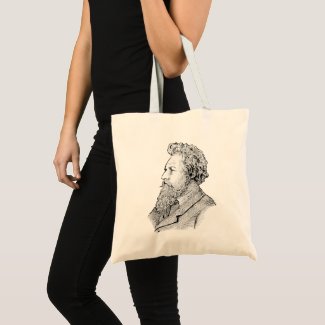
If you enjoyed wandering through the stranger corners of Victorian folklore, take a little of the era’s visual world with you. The Phillaneum William Morris Tote Bag celebrates the richly patterned Arts and Crafts imagination of one of the nineteenth century’s most influential designers—a practical everyday companion with considerably more Victorian character than the average shopping bag.
Author's Notes
There is something wonderfully Victorian about sending a telegram, boarding a railway train and then returning home to a village where everyone knows precisely which neighbour is suspected of bewitching the cattle. That collision between modern confidence and much older folklore is what makes these stories so revealing. Elizabeth Swann's supposed witch's chest is a particularly irresistible example: an ordinary oak chest transformed by reputation, fear and local storytelling into something decidedly less ordinary. Whether we regard it as an occult object, a piece of community folklore or simply a marvellous surviving story, it reminds me that Victorian culture was far stranger, and far more human, than its respectable portraits sometimes suggest.
Notes & Memoranda
As is often the case, the subject extends beyond the bounds of a single article. The notes and memoranda below gather together useful definitions, related observations, references, and occasional curiosities discovered along the way.
Did you know?
A group of witches is commonly called a coven. The word originally meant a gathering or assembly and is related to words such as convene and convention. Its now-familiar association with organised groups of witches developed much later.
Glossary
Some of the terms used in this article have specialised, historical or technical meanings. This glossary provides additional context for selected terms and ideas.
- Cunning man or Cunning woman
- A recognised folkloric specialist who was consulted to counteract malevolent magic and misfortune; they combined practical knowledge (herbal remedies, charms and protective objects) with rituals, prayers, occasional astrology and even investigative work such as locating stolen property. In communities lacking reliable policing or medical care these practitioners acted as part-healer, part-detective and part-spiritual adviser, their authority resting on results rather than formal credentials.
- Hedge witch
- A descriptive label for a solitary person living at the village edge who gathered wild plants and moved across the boundary between cultivated land and the wilder countryside, a boundary that carried symbolic as well as practical meaning. Such figures were often associated with herbal knowledge and animal care, and their marginal social position—widow, eccentric or poor labourer—made them easy subjects for stories that turned practical skill into suspected sorcery.
- Night hag
- A nocturnal supernatural figure said to sit upon a sleeper's chest, steal the breath and leave the victim paralysed with terror; historically this experience was explained as an external, malicious visitation. Modern medicine recognises many of these reports as episodes of sleep paralysis—a brief waking state in which the body cannot move and hallucinations or pressure sensations may occur—so the older description records a vivid cultural way of making sense of a physiological event.
- Poultice
- A soft, often warm mass of plant material or other substances applied directly to the skin to soothe pain, reduce inflammation or draw out infection; poultices were a staple of domestic and folk medicine before widespread professionalised healthcare. Their value lay in being inexpensive, locally preparable topical remedies whose apparent effectiveness could easily enhance the practitioner’s reputation for special knowledge.
- Sea witch
- A maritime folk figure credited with predicting storms, summoning or calming winds and influencing a vessel’s fortune, who could equally be praised for warnings or blamed when fishing or voyages failed. In coastal cultures where weather determined livelihoods, such a humanised cause for disaster helped make an indifferent, unpredictable sea intelligible and gave communities someone to hold responsible when misfortune struck.
Frequently asked questions
Curious about something you’ve just read? These frequently asked questions explore some of the key ideas, details and questions surrounding the topic.
What did a village wise woman do in Victorian communities?
A village wise woman knew about medicinal herbs, childbirth, animal ailments and household remedies, and could prepare poultices, suggest teas or identify useful plants. She was also consulted to interpret dreams, provide charms or advise on repeated bad luck, and was respected when helpful but suspected when feared.
How did cunning men or women serve people who feared magic?
Cunning practitioners were usually hired to counteract harmful spells, supplying written charms, herbal mixtures or protective objects and using prayers, Bible passages, astrology or rituals. They could also locate stolen property or identify the cause of misfortune, acting as healer, investigator and spiritual adviser in an age with limited policing and medical care.
Why were hedge witches associated with the edge of a village?
A hedge witch was a solitary figure living by fields, woods or marshes who regularly crossed the boundary between cultivated land and the wilder countryside to gather roots, mushrooms and medicinal plants. Their specialized knowledge and social isolation—often a widow, elderly herbalist or eccentric—led neighbours to admire their skill while remaining uneasy and turning them into folk-magical figures.
What was the night hag and how is that experience understood today?
The night hag was said to visit sleepers, sit on their chest, steal the breath and leave them temporarily unable to move or call for help. That pattern of symptoms is commonly associated today with sleep paralysis, though regional stories gave the visitor different names and appearances.
Further Reading…
References
- ABC News (Australia), In Good Witch, Lucianne Tonti draws a link from historic witch hunts to the present day, 20 August 2026.
Disclosure
This article explores recurring figures and beliefs found in Victorian-era folklore and should not be read as a formal historical classification of witches or witchcraft. Terms such as “hedge witch,” “sea witch” and “night hag” can vary considerably by period, region and later interpretation, while people described as wise women or cunning folk practised diverse traditions and were not necessarily regarded as witches by their communities. The article uses these broad figures as an accessible way to explore nineteenth-century folklore, superstition and popular belief.