Why Needlework and Decorative Panels Once Belonged Together
Victorian Harmony: The Fusion of Needlework and Decorative Panels
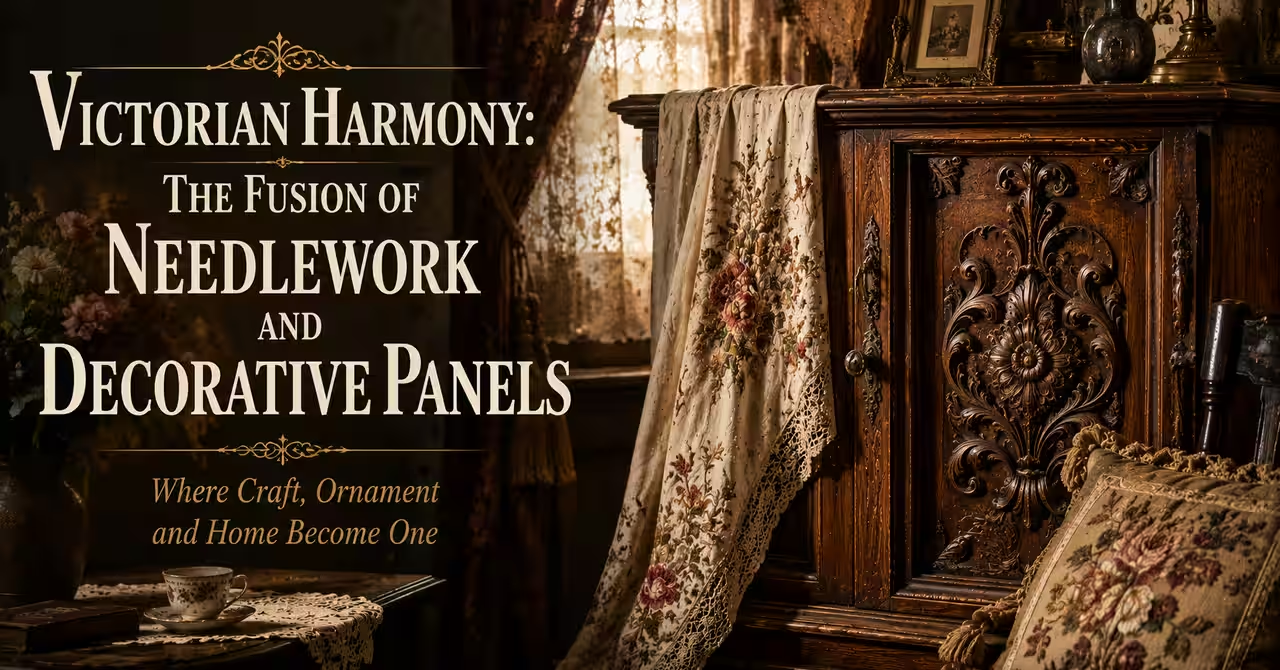
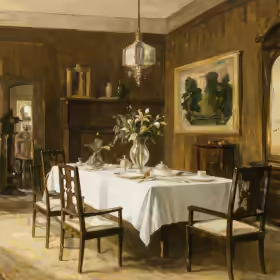
In the heart of a Victorian home, the interplay of textile and wood creates an emotional landscape that speaks to the essence of domestic life. Rooms were not merely functional; they were canvases of expression, where needlework and intricately carved panels crafted a visual dialogue. Imagine entering a parlour adorned with exquisitely embroidered curtains, floral patterns dancing alongside polished mahogany furniture, each detail contributing to the warmth and personality of the home.
The Emotional Landscape of Decorative Layering
Within the layered textures of Victorian interiors lie tactile experiences that evoke a sense of belonging. The smooth surface of a sideboard, the softness of embroidered cushions, and the rhythmic patterns of wallpaper converge, inviting both touch and reflection. Shadows cradle the recesses of elaborate panels, transforming furniture from mere utilitarian objects into vessels of history. Every carved curve and worn handle whispers of familial life and craftsmanship, etched in the dust that settles in corners untouched by light.
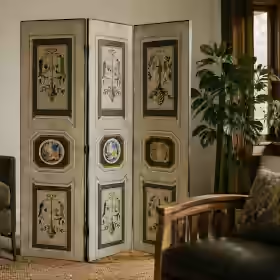
As we consider a hallway lined with decorative panels, we see not just boundaries, but the weave of social fabric. In contrast to the more public spaces of an engaging reading room, perhaps adorned with needlepoint, these interiors prompt us to reflect on how ornamentation shapes our identities and fosters relationships within our homes.
A Dual Language of Craftsmanship
The merging of needlework and decorative panels embodies intertwined narratives of Victorian culture. Decorative arts flourished through artisans skilled in wood; their hands sculpted texture and form from timber. In parallel, needlework emerged as a cherished domestic pastime, where women infused personal anecdotes into the fabrics that adorned their households. This era's delicate balance of craftsmanship faced challenges from the Industrial Revolution, which offered ready-made materials that could democratize access but risked the lifeblood of individual stories woven into each stitch.
A restored Victorian home today may evoke nostalgia, with original decorative panels preserved alongside historically accurate needlework. This interplay of original and contemporary craftsmanship invites thoughtful reflection on how we might revive history while honoring the essence of these materials.
The Threads of Community and Identity
The decorative choices in Victorian homes reinforced social structures and familial narratives. A beautifully adorned dwelling served as both a canvas of status and a bridge to connection. Beyond mere ornate panels or delicate embroidery, these elements sparked conversations and gatherings. The act of crafting ornamentation became a cherished family tradition, where a young girl learned needlework from her mother or grandmother, weaving a legacy passed through generations in every stitch.
Conversely, men who carved elaborate panels demonstrated their craftsmanship, solidifying their place within this cultural tapestry. For many Victorian households, these ornate details conveyed the values and aspirations of their occupants. Sitting in a reading room embellished with such elements transformed simple moments into communal rites, shared meals, quiet reflections, and laughter echoed throughout spaces marked by artistry.
Awakening the Domestic Past
As we engage with the charms of Victorian decor, we recognize that these ornaments reshape our spatial experiences. A carved timber panel becomes more than an aesthetic choice; it transforms into a vessel of storytelling, a reservoir of shared memories and emotions. Each engraved groove preserves the laughter and warmth that once flowed through these homes. Today, we seek artifacts from this rich tapestry, restoring and reimagining them to infuse modern spaces with the welcoming embrace of history, a revitalized parlour where meticulous craftsmanship evokes the feelings of home, often obscured in the haze of contemporary life.
The aesthetic layering embedded in Victorian décor offers poignant lessons in nurturing our domestic narratives, creating sanctuaries filled with warmth and character. Within these resonant interiors, echoes of human connection arise, a seamless weave of history, emotion, and artistry that continues to inspire. Whether through the delicate intricacies of embroidery or the steadfast strength of carved wood, Victorian interiors remind us of the enduring significance of calling a place home.
The dialogue between decorative panels and needlework invites further exploration. Delve deeper into how these elements shaped domestic culture through pathways such as Decorative Furniture Panels and the Theatre of Domestic Life, or uncover the authenticity of decorative salvage in Why Decorative Salvage Feels More Authentic Than Modern Decor. For additional insight into the era’s elegant designs, consider Designer Decorative Panels (1902). Each link offers an invitation to reflect on a world where needlework and decorative panels once harmonized in splendid unison.
Browse surviving decorative panels, carved cabinets, and vintage room dividers currently circulating through the collector market.
Author's Notes
Notes & Memoranda
As is often the case, the subject extends beyond the bounds of a single article. The notes and memoranda below gather together useful definitions, related observations, references, and occasional curiosities discovered along the way.
Further Reading…
Disclosure
This article explores decorative furniture panel styles commonly associated with Victorian and Edwardian interiors, including carved oak, fretwork, embossed ornament, inlaid surfaces, and decorative veneers. The feature is presented in the curatorial style of Phillaneum.com and combines decorative commentary, historical interpretation, and atmosphere-focused interior observations. It is intended as an introductory editorial guide rather than a formal restoration manual, valuation guide, or conservation reference.