Why Decorative Salvage Feels More Authentic Than Modern Decor
Why Decorative Salvage Feels More Authentic Than Modern Decor
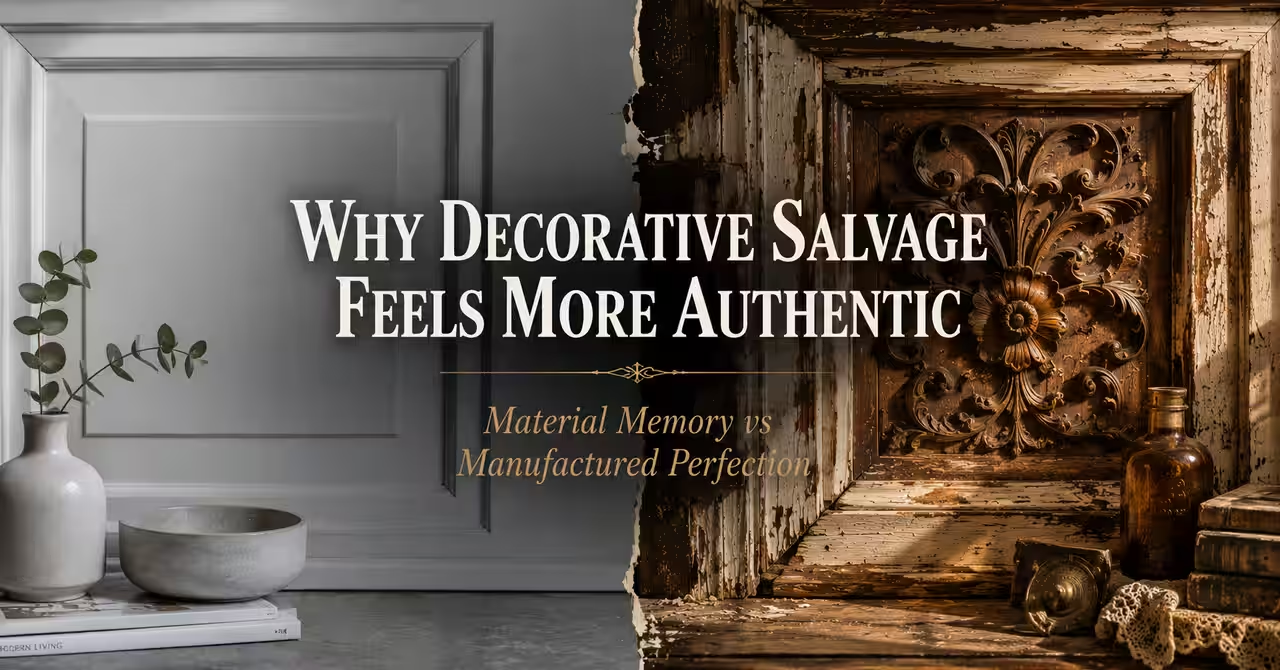
Decorative salvage often feels more authentic than modern decor, even when the modern piece is better made, more expensive, or in perfect condition. A carved cabinet with softened edges, old hinge marks, and a century of accumulated wear can possess a character that freshly manufactured furniture struggles to imitate. Part of the appeal lies in craftsmanship, but part of it comes from something less tangible. Salvaged decorative pieces carry visible evidence of use, repair, and survival. They feel connected to real rooms and real lives, and that connection often creates a stronger emotional response than flawless contemporary interiors.
The Allure of Timeworn Surfaces
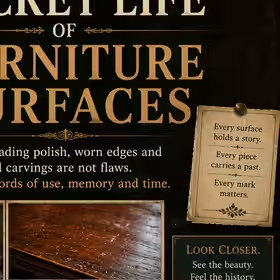
Timeworn surfaces often reveal their age more honestly than any maker's mark. The edge of a cabinet door may be lighter where hands have repeatedly touched it. A drawer pull can show polished wear while surrounding timber remains darker. Small repairs, filled holes, and layers of old finish quietly record decades of practical use. Decorative salvage becomes interesting not because it is old, but because it still carries visible evidence of the life it has lived.
Echoes of Craftsmanship
The appeal of aged furniture lies in its authenticity and the craftsmanship evident in every carved motif and delicate joint. Picture the hallways flanked by sideboards, each telling its own story through the marks etched into their surfaces. Paint may peel in delicate patterns, reminiscent of well-thumbed pages in a cherished book. Unlike the slick finishes of contemporary pieces, which can feel sterile and uniform, the irregularities of salvaged decor invite engagement. Every scratch and blemish serves as an invitation to reflect on the past, enriching our spaces with emotional warmth.
A century of careful use can leave marks no craftsman would deliberately carve, yet those marks often become the most interesting part of the work.
The Dust of History
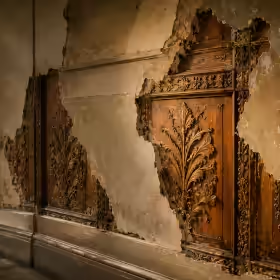
In corners, dust settles, a silent witness to the passage of time. Each cloud of dust cradles remnants of a forgotten era, reminding us of our own fragility and the stories that may never surface. Discovering an old decorative panel hidden within a piece of furniture feels like unearthing lost history, with every hand-carved detail offering insight into past artistry. The tactile nature of these surfaces forges an emotional connection that stark, modern designs simply cannot replicate. It is in these details that authenticity thrives.
Creating a Narrative of Space
Decorative salvage can change the character of a room in ways that new furniture often struggles to achieve. A restored panel introduces texture, shadow, and visible craftsmanship, creating a natural focal point within the space. Its worn edges and accumulated patina encourage closer inspection, rewarding attention with details that reveal themselves gradually over time. Rather than serving as background decoration, such pieces actively contribute to the visual identity of a room.
Restoration Traces: An Invitation to Wonder
Engaging in restoration adds another layer to this narrative. Each decision, whether to stabilize a wobbling leg or polish a dulled surface, becomes a dialogue between past and present. You breathing new life into an object infuses it with your own story. This relationship deepens our understanding of beauty and authenticity in our living environments, encouraging a richer exploration of how the ornamentation of salvage shapes our experiences.
Quiet Contemplation in Authentic Spaces
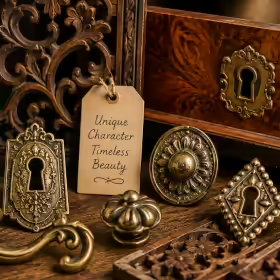
In homes enriched with salvaged decor, a gentle melancholy invites quiet reflection. The palpable connection to history facilitates a space where our own narratives intertwine with those of the past. The simple grace of an aged doorknob or the delicate shadows cast by intricate floral panels weave a fabric of authenticity, enveloping us in warmth. It invites us into a realm where modernity meets nostalgia, enriching our lives in a way that sleek, contemporary design cannot.
Continuing the Journey of Decorative Salvage
For those enchanted by decorative salvage, there is much more to uncover. Delve into the fascinating histories behind decorative furniture through our piece on Forgotten Victorian Panels Hidden Inside Old Furniture. Capture the intricate beauty of these surfaces with tips in Why Decorative Furniture Panels Photograph So Exceptionally Well. Immerse yourself more deeply into the world of these unique artifacts through our overview on Decorative Furniture Panels. Each article connects you further with the material memory and local histories that enrich our homes.
Market Snapshot
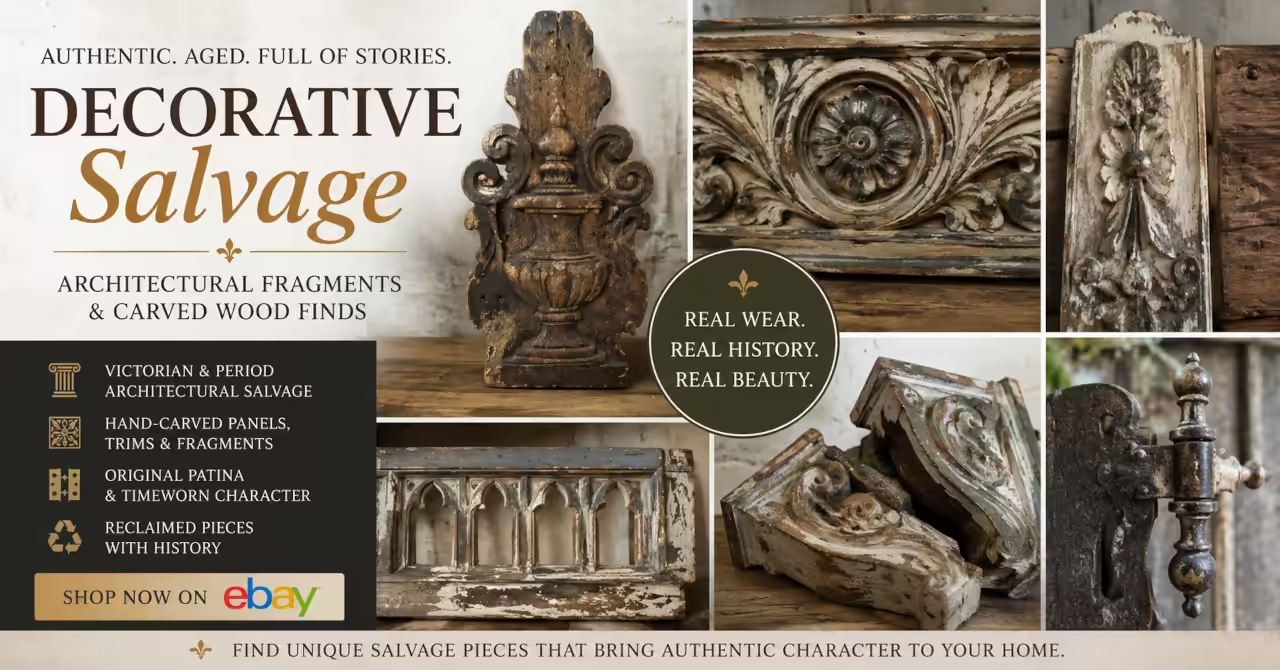
Current listings span everything from small decorative fragments and reclaimed architectural details through to substantial carved panels, fretwork elements, and restoration pieces. Prices commonly begin around AU$20–$50 for smaller decorative components, rising to AU$100–$300 for larger carved elements, while unusual architectural salvage and particularly decorative examples can command considerably higher prices. For collectors, restorers, and enthusiasts, these pieces can be invaluable when replacing a missing decorative feature, completing a period furniture restoration, adding character to a cabinet project, or introducing genuine historic craftsmanship into a contemporary interior. Often the most rewarding discoveries are not complete objects at all, but well-worn fragments carrying enough age, wear, and decorative detail to help finish a project that has been waiting for exactly the right piece.
Author's Notes
I often find myself drawn to decorative salvage not because it is old, but because it feels honest. A cabinet with softened edges, traces of restoration, and a little uneven wear usually captures my attention far more quickly than a flawless reproduction. Those small imperfections remind us that furniture was once part of everyday life rather than simply decoration. Over time I have come to see these marks not as damage, but as part of the object's character, preserving a record of use that modern furniture rarely has the opportunity to acquire.
Notes & Memoranda
As is often the case, the subject extends beyond the bounds of a single article. The notes and memoranda below gather together useful definitions, related observations, references, and occasional curiosities discovered along the way.
Glossary
- Decorative Salvage
- Decorative salvage refers to reclaimed furniture components, architectural fragments, carved panels, fretwork, and ornamental details preserved from older buildings or furnishings. These pieces are often valued for their craftsmanship, age, and visible history of use.
- Patina
- Patina describes the gradual changes that occur on a surface through age, handling, exposure, and use. In furniture and decorative objects, patina may appear as softened edges, darkened finishes, colour variation, or wear patterns that contribute to a sense of authenticity.
- Architectural Salvage
- Architectural salvage consists of decorative and structural elements recovered from older buildings. Examples include carved panels, mouldings, doors, fretwork, brackets, and ornamental trim that can be reused, restored, or collected.
- Restoration
- Restoration is the process of stabilising, repairing, or conserving an object while retaining as much of its original character as possible. Within decorative furniture, restoration often seeks to preserve evidence of age rather than remove it completely.
- Wear Pattern
- A wear pattern is the visible evidence of repeated handling or use found on a surface. Examples include polished drawer pulls, softened corners, worn edges, and areas where finishes have gradually changed through decades of everyday contact.
Frequently asked questions
Why does decorative salvage often feel more authentic than modern decor?
Decorative salvage often feels more authentic because it carries visible evidence of age, use, repair, and survival. Worn edges, old hinge marks, wax-darkened carving, and uneven finishes can make a piece feel connected to real rooms and real lives in a way that flawless modern decor may not.
What details should I look for in decorative salvage?
Useful details to look for include abandoned nail holes, faint hinge shadows, uneven staining, softened carved edges, darker wax in recesses, repaired joints, and wear around drawer pulls or handles. These small traces can help reveal how a salvaged piece was used over time.
Can decorative salvage be used in modern interiors?
Yes. Decorative salvage can add texture, shadow, craftsmanship, and visual character to modern interiors. A reclaimed panel, carved fragment, or restored furniture detail can become a focal point, especially when used to complete a restoration project or soften a room dominated by newer furniture.
From the Curator's Workshop
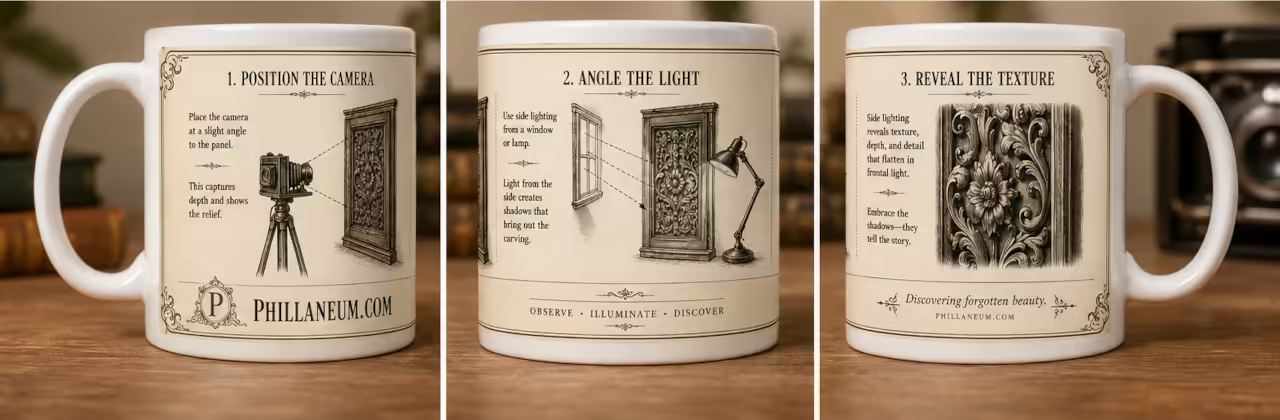
The decorative panel identification guide featured in this article is also available as a coffee mug inspired by the visual clues collectors use when recognising carved ornament, fretwork, and historic furniture details.
Further Reading…
Disclosure
This article explores decorative furniture panel styles commonly associated with Victorian and Edwardian interiors, including carved oak, fretwork, embossed ornament, inlaid surfaces, and decorative veneers. The feature is presented in the curatorial style of Phillaneum.com and combines decorative commentary, historical interpretation, and atmosphere-focused interior observations. It is intended as an introductory editorial guide rather than a formal restoration manual, valuation guide, or conservation reference.