The Secret Life of Furniture Surfaces
The Secret Life of Furniture Surfaces
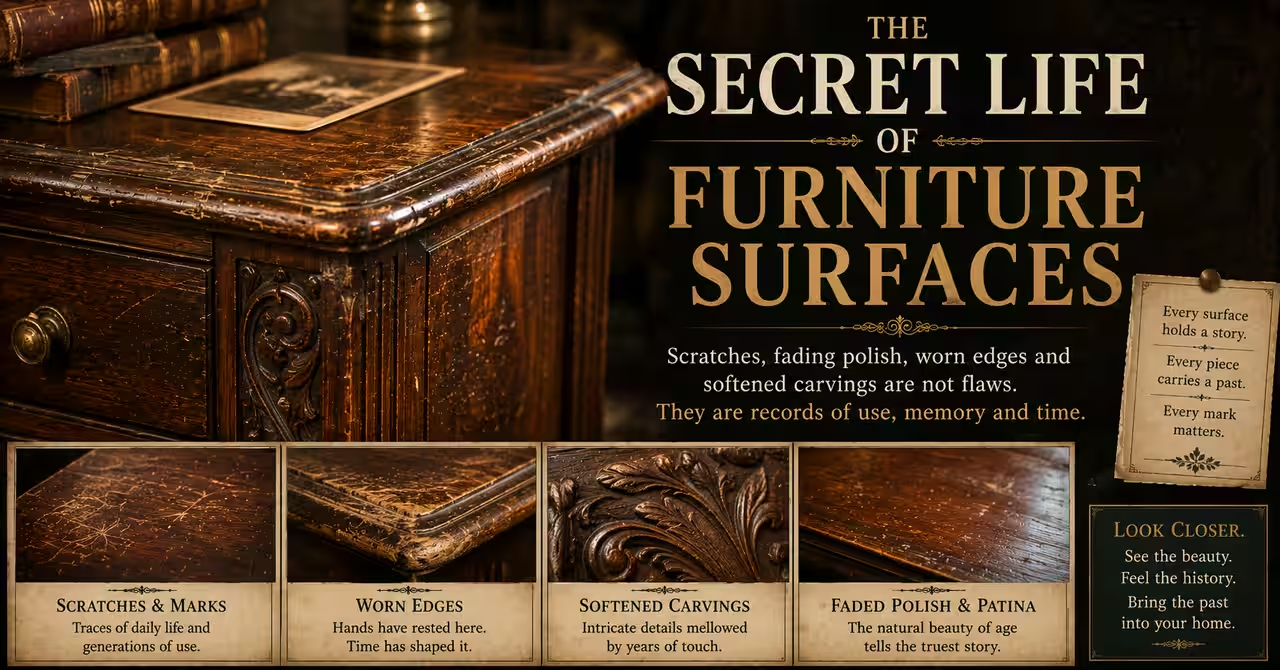
In the dim corners of an antique shop, a rich tapestry of texture unfolds. Each furniture surface speaks, revealing secrets woven into its history. Faint scratches on a Victorian sideboard and the patina on a carved armchair signify more than mere wear; they are echoes of laughter, drama, and intimate moments. This gentle decay invites reflection on the lives touched by these pieces, childhood whispers exchanged over a well-loved table, heartfelt gatherings around a once-polished sideboard. Each imperfection serves as a reminder that beauty lies within the layered narratives of lives lived.
Intricate Craftsmanship and Emotional Imprints
Exploring decorative furniture surfaces is akin to delving into a tactile anthology of human experience. Variations in polish narrate tales of hands that tenderly caressed them, transforming routine into ritual. The nuances of carving reflect the dedication of artisans from a bygone era, echoing their craftsmanship in every groove and curve. A mahogany dresser, aged gracefully, reveals its character through the interplay of light and shadow, where uneven joinery and the marks of prior repairs eloquently speak of cherished memories. This textured backdrop elevates functional objects into storied vessels, urging us to explore their past.
Victorian Elegance and the Dance of Light
In Victorian interiors, every piece contributes to a symphony of sensory experiences. The sweet scent of wax polish mingles with the aroma of aged timber, while muted textiles invite touch and contemplation. Light dances over intricately carved surfaces, creating a warm atmosphere that beckons us to linger. Each mark of decorative wear sparks curiosity: who once gathered at this table? Did it host lively conversations or provide refuge during quieter times? Amidst shadow and texture, the promise of emotional connection lies waiting to be discovered.
Details Worth Noticing
As we engage with these surfaces, both in photographs and in person, let us observe with keen awareness. Notice how light dances over a chipped edge or how deep grooves capture the dust of history, inviting questions about their origins. Each mark on a decorative panel is not merely an imperfection but a narrative thread that inspires the imaginations of collectors and restorers. In our everyday lives, overlooked furniture surfaces serve as stewards of stories, reminding us they are companions in our domestic spaces, encouraging us to pause and imbue them with our own narratives. Embrace the charm of these imperfections; they are the fingerprints of time, deepening our understanding of home.
Restoration: A Delicate Balance
The act of restoring furniture prompts reflection on the delicate balance between preservation and transformation. Ethical choices during restoration profoundly affect our emotional connection with these cherished items. A newly polished surface can ignite joy, yet it risks erasing the character that age has imparted. In this conundrum lies beauty; a restored piece, gleaming yet retaining its wear, offers a sense of belonging in our lives. By incorporating elements of decorative salvage, we can achieve authenticity that resonates, where every scratch carries a story worth sharing.
Textures of Memory in Intimate Spaces
In the quiet embrace of a hallway, a collection of furniture pieces, each marked by wear, narrates a collective legacy. Consider the hall table, its smooth surface rich with impressions of passing hands, while scratches convey hurried moments and toasts shared over fine china. The contrasting textures create an experiential dialogue, inviting us to imagine the lives interwoven around them. Picture an ornate Victorian cabinet, now fogged and faded, a portal to the echoes of bygone nights filled with laughter, where beloved keepsakes once nestled safely. Each trace left behind offers glimpses into lost narratives, enriching our engagement with the past.
Furniture: Portals to Personal Histories
The surfaces of antique furniture serve functional roles while acting as gateways to personal histories that shape our cultural identity. Each ding, scratch, and smudge reflects our collective humanity, a blend of triumphs, tribulations, and cherished connections. Imagine a carved armoire, its ageless facade silently holding secrets witnessed over generations. The faded varnish reveals not merely aesthetic decline but a tapestry of love, loss, and memories intricately interlaced within its wood.
A Journey of Reflection
In engaging with furniture, we embark on an exercise in meditation. As we trace the contours of these pieces, we reconnect with those who came before us. Just as a book recalls its previous readers, furniture engages us as living artifacts interwoven with conversation and companionship. The interplay of light over unique finishes tells stories of evolving beauty, bound to the cultural ethos of their time and seamlessly flowing into the allure of our daily lives. These surfaces remind us of the passage of time and emotional landscapes, as beautifully described in Furniture Panels for the Ghost Room. They reveal deeper connections, an intimate dialogue that threads together yesterday’s domestic life with our present.
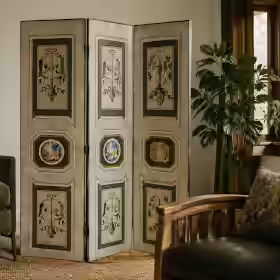
Browse surviving decorative panels, carved cabinets, and vintage room dividers currently circulating through the collector market.
Author's Notes
Notes & Memoranda
As is often the case, the subject extends beyond the bounds of a single article. The notes and memoranda below gather together useful definitions, related observations, references, and occasional curiosities discovered along the way.
Further Reading…

Disclosure
This article explores decorative furniture panel styles commonly associated with Victorian and Edwardian interiors, including carved oak, fretwork, embossed ornament, inlaid surfaces, and decorative veneers. The feature is presented in the curatorial style of Phillaneum.com and combines decorative commentary, historical interpretation, and atmosphere-focused interior observations. It is intended as an introductory editorial guide rather than a formal restoration manual, valuation guide, or conservation reference.