Furniture Panels for the Ghost Room
Furniture Panels and Their Ghostly Narratives
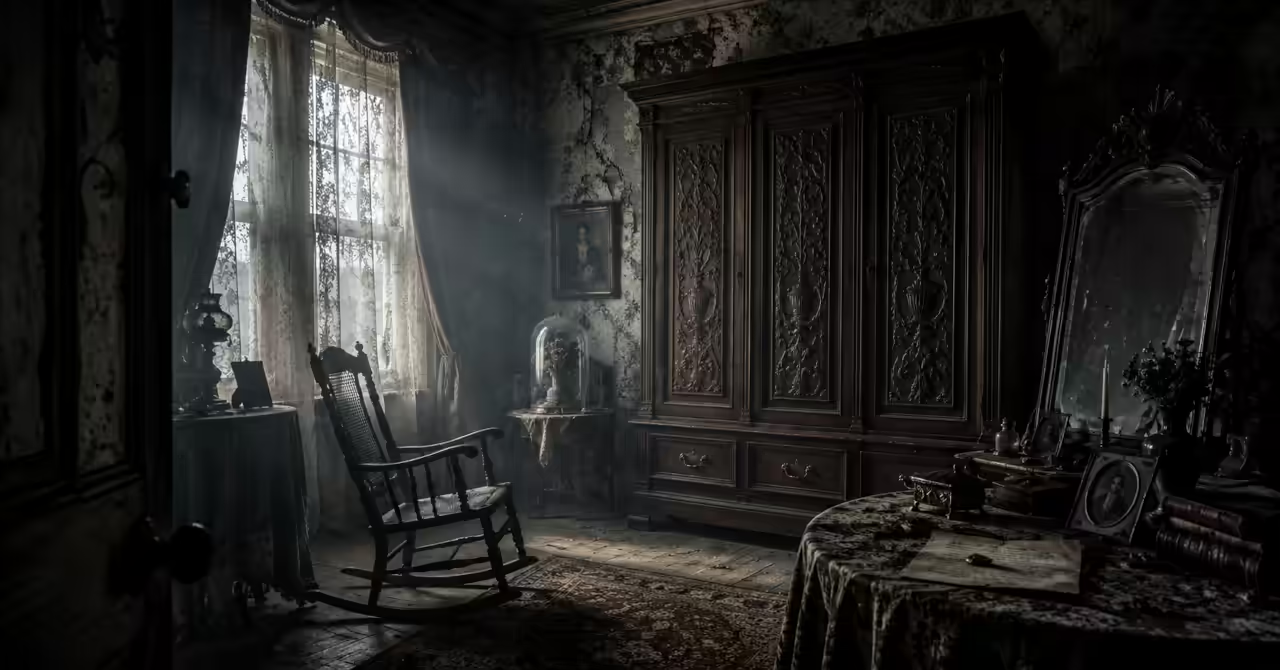
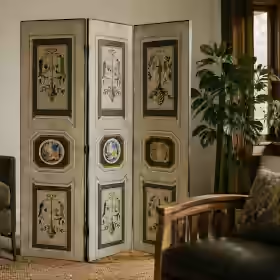
In the hushed corners of forgotten rooms, where dust dances gracefully in dim light, decorative furniture panels stand as silent sentinels, rich with history. Each intricate carving weaves a narrative, a testament to lives once lived, ghostly laughter, and muted soliloquies that inhabit these spaces. The aged wood, with its polished yet worn surfaces and varied textures, evokes an emotional resonance that transcends time. Here, the past whispers through the delicate patina of Victorian interiors, creating an atmosphere where every detail captures the fragility of domestic life.The Cultural Weight of Decorative Panels
Exploring neglected guest rooms and hidden parlours reveals that furniture panels are more than mere functional elements; they represent the craftsmanship and aesthetic sensibility of their era. A Victorian sideboard adorned with ornate carvings or a weathered wardrobe with its elegantly detailed veneer exudes a profound appreciation for artistry. Each mark of age, the scratches from daily wear, the subtle fading of polish, enhances the story embedded within these decorative elements. They recall a time when homes thrived with gatherings, embodying the warmth of familial bonds now concealed beneath layers of dust. The textured surfaces invite you to run your fingers across the carvings, revealing echoes of earlier rituals: the flicker of candlelight catching on a polished edge, the gentle wear from years of use. Each piece, once vibrant and cherished, reveals a bittersweet beauty in its decay. This interplay between neglect and memory, elaboration and erosion, forms a rich narrative, inviting observers to engage in a quiet dialogue with the past.Atmospheric Hallmarks of Haunted Interiors
As you navigate through dilapidated spaces, the atmosphere is palpable, a ghostly presence hanging in the air. Sunlight filters through grime-encrusted panes, illuminating particles that dance lazily across the room, while peeling wallpaper and mismatched furniture narrate stories of neglect. Here, decorative panels shimmer with nostalgia, each detail capturing a moment of history. Imagine a forgotten reading room, where paneling that once exuded scholarly ambition now sits almost imperceptible under layers of dust. Each carved line hints at secrets whispered in candlelight and late-night conversations exploring life's mysteries. The act of restoration becomes revelation, an opportunity to honor the past while infusing the space with new significance. A thoughtfully revived panel transforms from a mere object into a vessel of collective memory.The Intricacies of Ornamentation and Its Emotional Resonance
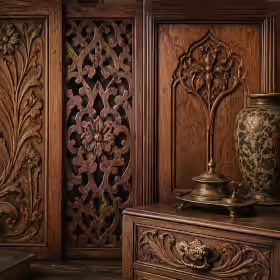
Ornamentation in these spaces is not merely decorative; it weaves deeply into the emotional fabric of the room. Consider the ornate carvings on a cupboard's front, the fluted patterns and floral motifs evoking feelings of warmth and nostalgia, inviting visitors to discover layers of intimacy and history. In the absence of such embellishments, a room can feel stark and unwelcoming, stripped of its personality. In a dusky hallway, a beautifully etched panel can evoke longing, transforming the air's silence into echoes of stories yearning to be told. Each decorative element carries weight, speaking to aesthetic choices made generations ago and the shared human experiences tied to that space. Craftsmanship reigns here; every curve is a memory, every chisel mark a connection to the past.Delving into Forgotten Interiors
Engaging with forgotten decor uncovers cultural narratives and collective histories. The dust on surfaces represents layers of memory embedded within the walls and furnishings that bear witness to once vibrant lives. Just as a well-crafted novel unfolds, so too do the stories these interiors preserve, from grand tales of love and loss to the intimate rhythms of family life. Each decorative panel and shadow cast in dim light contributes to a larger narrative shaping our understanding of home and belonging. Restoration ignites conversations around memory and legacy: should we restore to glory or let age tell its own compelling story? In seeking to revive these spaces, we confront the delicate balance of preservation and remembrance. Each flaw, each gentle wear, celebrates the beauty of survival, inviting us to appreciate the artistry of decay and our connection to these hauntingly beautiful interiors. Explore these spaces, let the silent whispers guide you. Each piece of furniture, especially the decorative panels, holds a heart pulsing softly beneath layers of dust, reminding us that even in forgotten corners, layers of life await discovery and appreciation. As you delve into the details of these haunting spaces, consider the stories they present, timeless conversations between past and present. You can further discover these themes in the exploration of forgotten Victorian panels hidden inside old furniture or uncover the lingering narratives in homes that once whispered stories through decorative ornament. For those captivated by literary charm, delve into the secret library interior atmosphere collection, where every collectible evokes memories of introspection and quiet reverie.Browse surviving decorative panels, carved cabinets, and vintage room dividers currently circulating through the collector market.
Author's Notes
Notes & Memoranda
As is often the case, the subject extends beyond the bounds of a single article. The notes and memoranda below gather together useful definitions, related observations, references, and occasional curiosities discovered along the way.
Further Reading…

Disclosure
This article explores decorative furniture panel styles commonly associated with Victorian and Edwardian interiors, including carved oak, fretwork, embossed ornament, inlaid surfaces, and decorative veneers. The feature is presented in the curatorial style of Phillaneum.com and combines decorative commentary, historical interpretation, and atmosphere-focused interior observations. It is intended as an introductory editorial guide rather than a formal restoration manual, valuation guide, or conservation reference.