Homes Once Whispered Stories Through Decorative Ornament
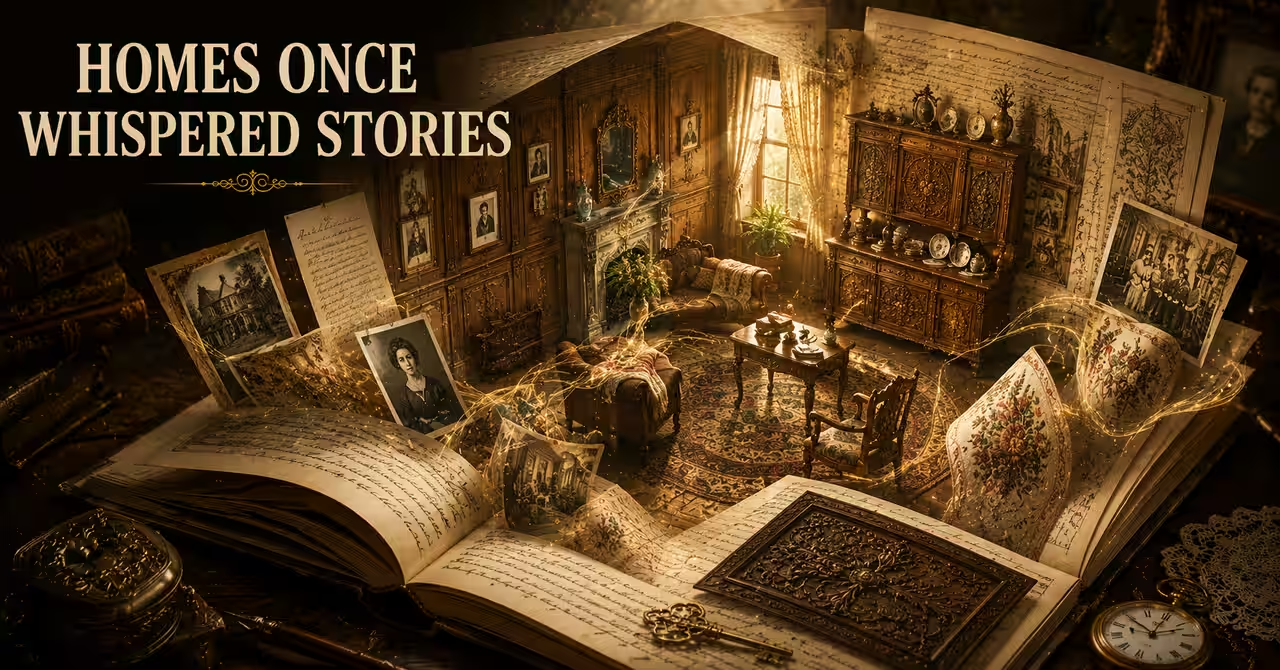
The Whisper of Tales Embedded in Wood and Design
In the stillness of a Victorian manor, candlelight flickers against the dark timber, revealing a unique language embedded within its very walls. Homes adorned with decorative ornament cradle rich narratives, speaking softly through intricate carvings and layered textures. Each element, from the worn edges of a cabinet front to the gentle curves of a dresser, beckons us to linger and listen. These interiors are not mere backdrops for life; they are living stories, infused with biography, memory, and aspiration.
Imagine stepping into a reading room, where shadows dance among carved surfaces, and the air carries whispers of history, veiled in dust. Such spaces hold a quiet power, where ornamentation transforms a room's emotional landscape. The varnish, imprinted with time, reflects human touch; every mark tells a story of affection and neglect, of decay and revival.
Ornamentation: A Tapestry of Identity
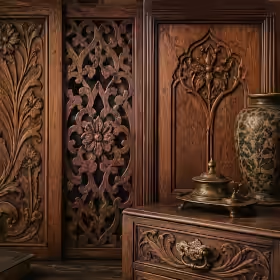
The cultural tapestry woven into decorative furniture panels serves as a mirror of society, reflecting an intricate dance of identity. In the Victorian era, homes adorned with intricate panels invited conversation between artisans and owners. Each piece stood as a testament to aspirations and values. A finely carved hall table might symbolize a family's status, inviting guests to trace their fingers along ornate scrollwork during afternoon tea.
Ornamentation embeds itself deeply in domestic life. Consider a simple hallway framed by carefully designed cornices, inviting exploration and connection. The transition from room to room becomes a rite of passage, each decorative element echoing experiences within. Family gatherings, whispered conversations, and laughter linger, mapping emotional memories across surfaces. These objects serve as witnesses, connecting generations.
The Influence of Materiality on Atmosphere
The materials used in decorative panels significantly shape a home's atmosphere. Antique wood, rich in character, creates a canvas that breathes and responds, welcoming wear as part of its tale. The deep hues of mahogany and oak tell stories through their unique grains, often highlighting the craftsmanship behind their creation. Each groove and swirl fosters an intimate dialogue between observer and object. Shadows flicker in carved recesses while polished surfaces invite touch.
This relationship transcends aesthetics; it shapes how inhabitants experience their spaces. Leaning against a timeworn dresser, the smoothness under one’s fingertips speaks of years gone by, echoing sentiments of joy and sorrow. More than structures, such furnishings evolve into sanctuaries that cradle our narrative threads.
The Patina of Time and Memory
As homes absorb the histories of their occupants, they hold onto moments that might otherwise fade away. The gradual accumulation of dust in corners witnesses the slow passage of time, framing lifetimes within decorative culture. Polished wood surfaces shine beside neglected crevices, each revealing a duality of care and neglect.
Consider the tales hidden within a drawer lined with delicate velvet, faded through years of use. Beneath its formal presentation lie collections: love letters, documents penned in ink that now feel as fragile as time itself. These remnants breathe new life into our understanding of the decorative environment, reminding us that ornamentation is not merely for display; it forms a kinship with unexpected items, intertwining the domestic narrative.
Restoration and Preservation: Echoes of Past Lives
Artisans engaged in the delicate work of restoration find themselves conversing with the spirits of past lives. Each brushstroke and reparative touch on a cabinet front resonates with reverence. The art of restoration carries weighty responsibility, honoring history while nudging a piece toward rebirth. Every mark of wear becomes a conversation starter, reminding us these objects are not static; they evolve alongside human experience, bridging past and present.
This process illuminates what it means to collect, preserve, and cherish. A restored hall table serves not only a functional purpose but also embodies rich narratives. The lives that preceded ours, filled with laughter and sorrow, intertwine with those who choose to embrace this heritage. By restoring rather than repurposing, we acknowledge every scratch and speck of dust as significant.
Layers of Emotion: The Dance of Light and Shadow
In the realm of decorative ornament, the interplay of light and shadow holds profound meaning. As sunlight filters through lace curtains, it casts a gentle glow upon carved wood surfaces, animating textures that swell with life. In this luminance, every detail, the curve of a leaf, the twist of a vine, whispers stories of craftsmanship forged over time.
Conversely, in the muted ambiance of a candlelit room, draped in quietude, these patterns transform. Shadows deepen; carved designs acquire an ethereal quality, evoking conversations long past, hushed exchanges carried on the very air circulating through our spaces. Each room, layered with ornament and history, envelops us in its embrace, a tactile reminder that we are part of a continuum transcending time itself.
Ultimately, reflecting on decorative ornament invites us to reconsider our spaces as stories waiting to be rediscovered. The simplest elements can hold profound depth in their silent communication of both past and present. As we explore cabinets, hallways, and parlors, seeking the tales absorbed within, we become custodians of narratives that preserve the rich weave of life flourishing within their embrace.
To enrich your exploration of the intricate relationship between decorative elements and domestic life, consider these paths:
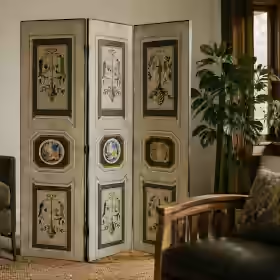
Browse surviving decorative panels, carved cabinets, and vintage room dividers currently circulating through the collector market.
Author's Notes
Notes & Memoranda
As is often the case, the subject extends beyond the bounds of a single article. The notes and memoranda below gather together useful definitions, related observations, references, and occasional curiosities discovered along the way.
Further Reading…

Disclosure
This article explores decorative furniture panel styles commonly associated with Victorian and Edwardian interiors, including carved oak, fretwork, embossed ornament, inlaid surfaces, and decorative veneers. The feature is presented in the curatorial style of Phillaneum.com and combines decorative commentary, historical interpretation, and atmosphere-focused interior observations. It is intended as an introductory editorial guide rather than a formal restoration manual, valuation guide, or conservation reference.