Why Decorative Furniture Panels Photograph So Exceptionally Well
Introduction
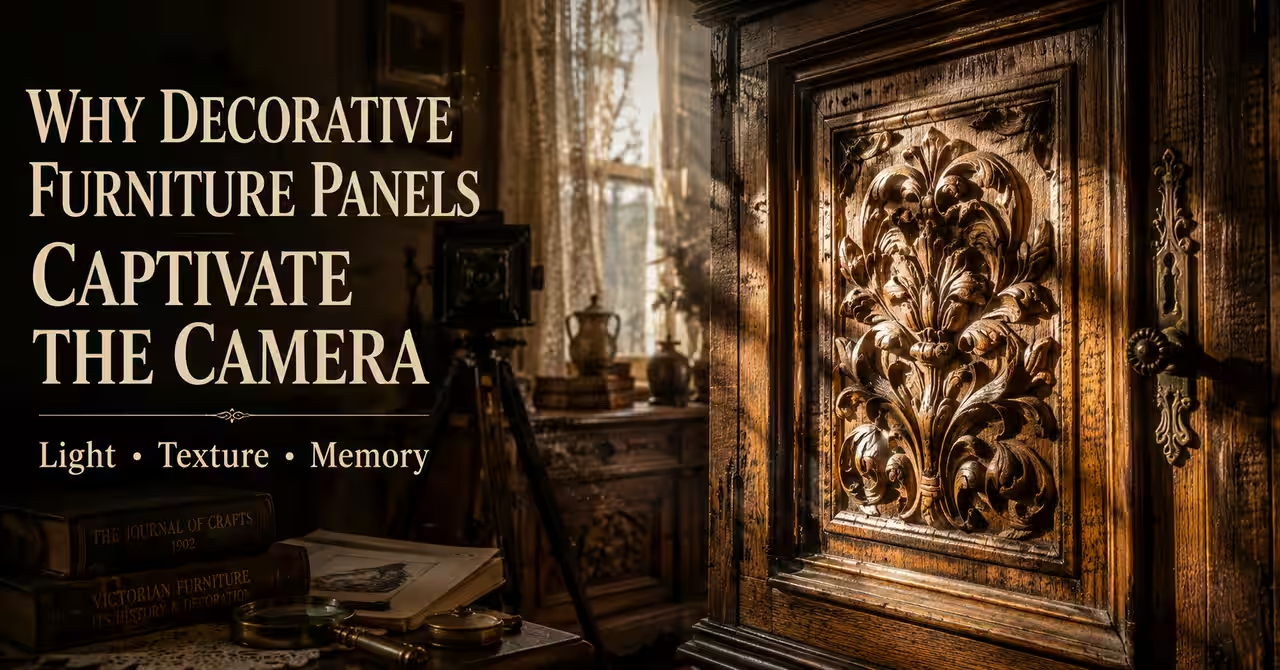
In the soft light of vintage shops and the subdued elegance of historical homes, decorative furniture panels invite pause. These meticulously crafted surfaces, adorned with intricate carvings and subtle textures, offer more than mere decoration; they serve as gateways into the lives that once filled these spaces. The way light dances on their surfaces creates a compelling visual narrative, urging us to reach for our cameras and immortalize their artistry. This exploration uncovers the allure of decorative panels in photography, revealing how they embody craftsmanship, history, and a poignant beauty.
The Allure of Texture and Craftsmanship
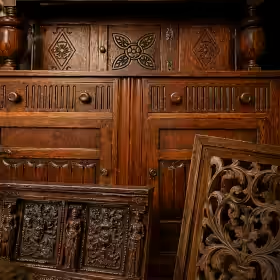
At the heart of any decorative panel lies a rich tapestry of tactile experiences. The varied grain of the wood, the smoothness of polished finishes, and the delicate intricacies of carvings all contribute to their unique personas. Imagine running your fingers along the finely carved front of a cabinet in a dimly lit parlour; every curve and contour tells a story, evoking feelings that are both calming and mysterious. As you photograph these surfaces, consider how each texture transforms the ordinary into the extraordinary.
In the realm of furniture aesthetics, these panels act as time capsules. The craftsmanship involved, whether through relief carving or inlay work, serves as a visual diary, capturing the influences of specific eras, cultures, and artisans. A photograph of an ornate panel does more than showcase a decorative item; it becomes a document of artistry and a testament to the hands that shaped it. The distinctive wear and patina on these surfaces invite a quiet appreciation of age and character.
The Play of Light in Decorative Spaces
Photographing decorative panels reveals the intricate interplay between light and shadow, highlighting their depth and complexity. In a sun-drenched hallway, light spills over surfaces, revealing nuances that a casual glance might overlook. The way light catches on the ridges of a carved design adds dimension and enhances its storytelling quality.
Each shadow cast by these panels ignites curiosity, drawing the eye deeper into the scene. Closed cabinet doors may conceal treasures, but their gently illuminated edges beckon viewers to imagine the narratives hidden within. This interplay transforms each panel from a static object into a dynamic component of a room’s story, inviting photographers and enthusiasts to engage more profoundly with their surroundings.
Why Decorative Furniture Panels Photograph So Well
- Relief carving creates natural shadows that reveal depth and texture.
- Side lighting highlights ornament without requiring complex photography equipment.
- Aged finishes add visual variation through wear, patina, and changing colour.
- Decorative surfaces remain interesting when cropped, making them ideal for close-up photography.
- Fine detail survives thumbnail sizes, helping panels stand out in listings and social media feeds.
- Pattern and texture guide the eye through the photograph, creating stronger compositions.
Why Cameras Love Carved Surfaces
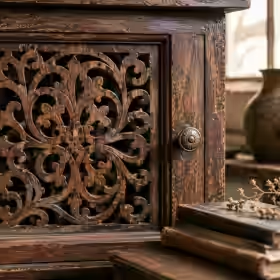
Decorative furniture panels photograph well because they give the camera something to interpret. A flat modern surface may look elegant in person, but in a photograph it can quickly become a plain rectangle. A carved panel behaves differently. Every ridge, recess, moulded edge, and worn corner creates a small change in depth. When light falls across the surface from the side, those changes become visible as fine shadows, giving the image texture, contrast, and visual richness.
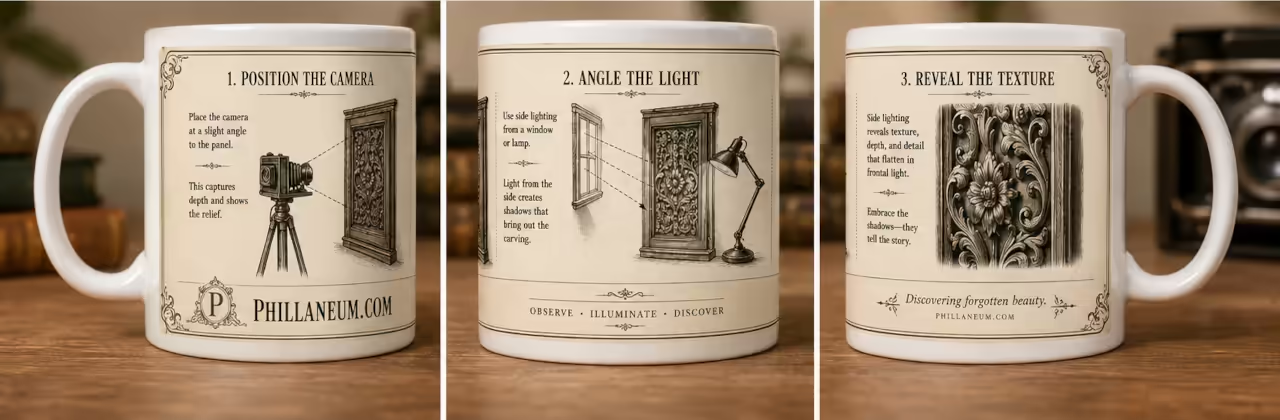
This is why side lighting is often more flattering than direct front lighting when photographing carved furniture. A lamp placed to one side, a window at an angle, or soft afternoon light crossing the room will usually reveal more detail than a flash aimed straight at the object. The aim is not harsh drama, but gentle shadow: enough to show the relief of the carving without making the surface look gloomy or confused.
Close-up framing also suits decorative panels. By moving nearer, the photographer removes the distractions of the room and allows the ornament itself to become the subject. A cabinet door, fretwork corner, or aged veneer panel can become almost abstract when cropped tightly. The viewer sees grain, polish, dust, wear, and shadow before they think about the furniture as a whole.
Even ordinary phone cameras tend to reward these surfaces. Their automatic processing often strengthens local contrast, making carved detail and patina appear sharper on screen. This helps explain why decorative panels often stand out in auction listings, salvage photographs, collector posts, and interior images. They remain legible even as small thumbnails, because the ornament keeps producing visual information.
The Emotional Weight of Age
These same signs of age are often what make historic surfaces photograph so convincingly. Over time, decorative furniture panels accumulate histories in their finishes and forms. The soft sheen of aged wood, marked by years of use, evokes a sense of authenticity that newly produced items simply lack. A well-worn dresser, for example, becomes a canvas of the past, harboring whispers of shared moments, laughter, and quiet comforts.
In spaces like reading rooms, where light filters through gauzy drapes, the textures of these panels invite contemplation. Adorned with scratches and fading colors, their surfaces convey layers of wisdom accumulated over years. Here, age transcends nostalgia, revealing a deeper truth: the beauty of imperfection. These signs of history, rather than diminishing value, enhance their emotional appeal, resonating with those who cherish spaces rich in meaning.
Looking Beyond the Furniture
As you survey a vintage room filled with furniture, decorative panels can reinvigorate mundane spaces. The dust gathering in corners, the touch of fingertips tracing centuries of carvings, and the subtle signs of daily life contribute to a layered narrative steeped in history.
Consider the cabinet doors, elegantly adorned with fluttering patterns. Opening them feels like unfolding a storybook, the echoes of family gatherings and shared moments lingering in the air. Through photography, one can almost capture the remnants of conversations that once filled these spaces, allowing a deeper appreciation to bloom.
With a discerning eye, collectors and casual observers alike can transform their understanding of decorative panels from mere functional pieces to rich tapestries of memory. Their presence evokes strong emotional responses, underscoring the intricate relationship between art and living history.
The Transformative Power of Ornamentation
Photography makes the emotional force of ornament easier to see. These are not just aesthetic flourishes; they narrate stories of artistry and culture, reflecting the values and skills of the artisans who created them. For restoration enthusiasts or collectors, each surface becomes a bridge between past and present, embodying the timeless appeal of craftsmanship.
In antique furniture photography, embellishments play dual roles as visual enhancements and connections to bygone eras. The stories etched into intricate designs resonate through time, echoing in contemporary homes that still honor the artistry of yesteryear. In spaces like parlours, where warmth and elegance collide, these surfaces enrich the experience, making every corner feel alive with possibility.
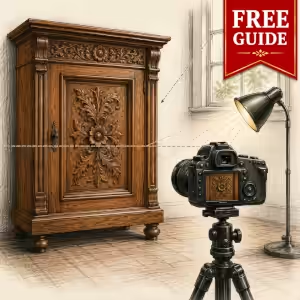
A simple camera and lighting setup for photographing carved furniture panels.
Download PDF Guide
Finding Wonder in the Familiar
In our everyday environments, decorative furniture panels can evoke unexpected feelings of nostalgia and wonder. While a photograph captures their essence, it cannot replicate the experience of standing before one, enveloped in its history. The shifting light reveals hidden beauty in imperfections, creating a space where past and present coexist.
In a world increasingly dominated by the new, these aging artifacts invite us to engage with our shared histories. The stories etched into their surfaces prompt reflection on what once was, kindling a desire for authenticity.
As you delve into the world of decorative furniture panels, embrace their complexity. Each piece is a doorway into a narrative waiting to unfold, inviting exploration and introspection. They don’t just photograph exceptionally well; they beckon us into the profound emotional landscapes they evoke.
For many collectors, the fascination rarely stops at the panel itself. Small decorative details often lead to broader questions about craftsmanship, rarity, and what makes one piece command attention while another is overlooked. If you find yourself drawn to unusual carvings, fretwork, embossed surfaces, or signs of age and restoration, continue with Strange Decorative Furniture Details Buyers Now Obsess Over, where we explore the decorative features that repeatedly capture the attention of collectors and enthusiasts.
From the Curator's Workshop
The illustrated camera and lighting guide featured in this article is also available as a decorative coffee mug inspired by historic instructional plates and workshop reference diagrams.
Author's Notes
While reviewing photographs for several Decorative Furniture Panels articles, I noticed that certain images consistently drew my attention. The pattern was surprisingly simple. Furniture with carving, fretwork, shadow, and visible age almost always produced stronger photographs than flat contemporary surfaces. I originally assumed this reflected personal taste, but the more examples I examined, the more it appeared to be a property of the objects themselves.
The article became an opportunity to explore a question I had not expected to ask. Why do some pieces seem almost eager to be photographed? The answer turned out to have as much to do with light and surface depth as it did with decorative history.
The downloadable guide grew from the same observation. Decorative furniture photography often sounds complicated, yet many attractive results come from a simple arrangement of side lighting and careful framing. I wanted readers to have something practical they could immediately experiment with.
Notes & Memoranda
Glossary
- Close-Up Framing
- Close-up framing refers to photographing a small section of a decorative panel rather than the entire piece of furniture. In this article, close-up framing is discussed as a technique that allows ornament, grain, wear, and carving detail to become the primary subject of the photograph.
- Local Contrast
- Local contrast describes the small differences in brightness between adjacent details within an image. The article explains how modern phone cameras often enhance local contrast, making carved ornament, patina, and surface texture appear more pronounced in photographs.
- Ornament
- Ornament refers to decorative carving, moulding, pattern, or embellishment applied to furniture surfaces. Throughout this article, ornament is presented as one of the key reasons decorative panels remain visually compelling when photographed.
- Patina
- Patina describes the visual changes that develop through age, handling, oxidation, polishing, and wear. In decorative furniture photography, patina creates subtle colour variation and surface character that often make historic pieces more visually interesting than newly manufactured surfaces.
- Relief Carving
- Relief carving is a decorative technique where patterns are carved so they project from a flat surface. The article identifies relief carving as a major contributor to photographic appeal because raised and recessed areas create natural shadow and depth.
- Side Lighting
- Side lighting occurs when light reaches a subject from an angle rather than directly from the front. In this article, side lighting is recommended because it reveals carving depth, surface texture, and decorative detail more effectively than direct flash photography.
- Texture
- Texture refers to the visible surface qualities of a material, including grain, carving, wear, polish, and irregularity. Decorative furniture panels are discussed as highly textured subjects that provide cameras with abundant visual information.
- Thumbnail Image
- A thumbnail image is a small preview image used in search results, social media feeds, auction listings, and galleries. The article notes that decorative panels often remain visually distinctive at thumbnail size because their ornament continues to create recognisable patterns and contrast.
Frequently Asked Questions
Why do decorative furniture panels photograph so well?
Decorative furniture panels photograph well because carved surfaces, raised ornament, patina, and timber grain create natural contrast and shadow. These details give the camera texture and depth to record, making the surface more visually interesting than a flat modern panel.
What lighting works best for photographing carved furniture panels?
Soft side lighting usually works best. Light from a window, lamp, or angled source reveals the raised and recessed areas of the carving without flattening the surface. Direct flash from the front often removes the shadows that make carved panels visually rich.
Should decorative panels be photographed close up?
Close-up photography often suits decorative panels because it removes room distractions and lets carving, grain, polish, wear, and small ornamental details become the main subject. A tight crop can make a cabinet door or carved panel feel almost like an artwork.
Why do antique furniture panels stand out in online listings?
Antique furniture panels often stand out in online listings because their ornament remains visible even at small thumbnail size. Relief carving, fretwork, aged finishes, and surface wear produce enough pattern and contrast to catch the eye in search results, auction pages, and social media feeds.
Mentions & Echoes
- Old Furniture Jacobean and Other Styles (1902) — Original illustrations of carved oak furniture, strapwork and decorative panels that demonstrate how relief ornament creates visual depth and shadow.
Further Reading…
Disclosure
This article combines decorative commentary and photography observations in the curatorial style of Phillaneum.com. It is intended as an introductory guide for enthusiasts and collectors.