Decorative Panels for Cabinets, Doors, and Dressers
·Revised
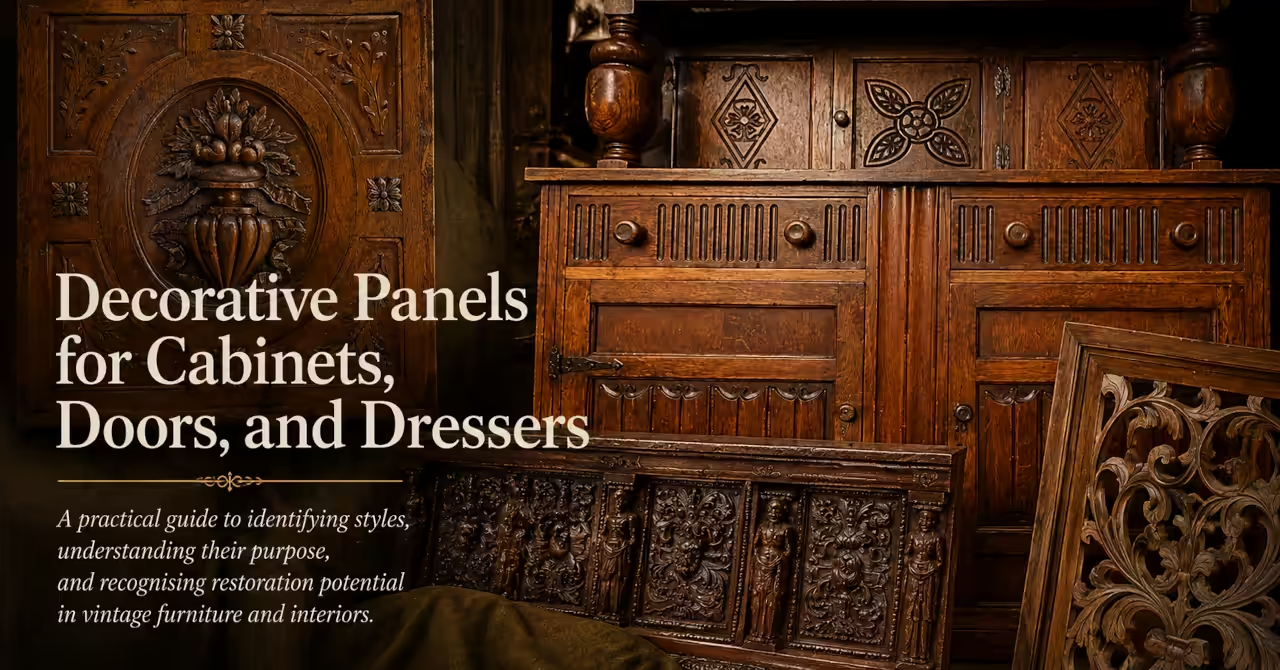
Decorative Panels: Embodying Craftsmanship in Furniture
Decorative panels are often the first feature that attracts attention on a cabinet, wardrobe, dresser, or door. Whether carved, veneered, moulded, or pierced with fretwork, these surfaces provide much of the visual character that distinguishes one piece from another. Beyond decoration alone, panels reveal construction methods, material choices, workshop practices, and changing tastes across different periods of furniture design.
Historic Significance of Decorative Panelling
Decorative panels historically represent the junction of utility and artistry. From ornate cabinets to refined sideboards, these elements showcase intricate craftsmanship that elevates commonplace furniture into cherished heirlooms. The bold, earthy finishes characteristic of the Arts and Crafts mission style, with their rich oak grains, contrast sharply with the delicate inlays seen in Victorian designs. Each era's style speaks volumes about its cultural context, inviting tactile exploration of craftsmanship.
Decorative panels appear across a surprising variety of furniture forms. Victorian sideboards frequently use raised and carved cupboard panels, while wardrobes often feature large veneered fields framed by moulded surrounds. Chiffoniers, bookcases, hall stands, and display cabinets commonly incorporate fretwork or carved ornament intended to draw attention to prominent areas of the piece. Recognising these recurring furniture forms can help collectors identify period styling and construction preferences.
When examining a vintage cabinet, observe the gentle patina or the finely carved floral motifs that reflect the artisan’s skill and patience. Whether it’s a weathered mahogany sideboard or a pine dresser, these pieces embody a blend of practicality and beauty. A close look at the joinery reveals a marriage of geometry and artistry that intrigues collectors and admirers alike.
The Atmospheric Impact of Decorative Panels
The mood created by decorative panels is palpable. The rich tones of a well-finished dresser radiate warmth, while intricately carved doors draw the eye and spark curiosity. Imagine a living space where the texture of a hand-painted cabinet harmonizes with soft, muted wallpaper, or how the smoothness of a polished tabletop contrasts with the shadowy relief of a carved panel, a dynamic interplay that grounds the home in both history and contemporary charm.
Decorative panels often become the features that draw attention first and reward closer inspection later. A carved wardrobe door may catch changing light throughout the day, while a sideboard with raised panels can provide visual weight and character within a room. Even modest details such as moulded surrounds, figured veneers, or small areas of fretwork contribute texture and depth, helping furniture feel purposeful rather than purely functional.
Craftsmanship: Noticing the Details
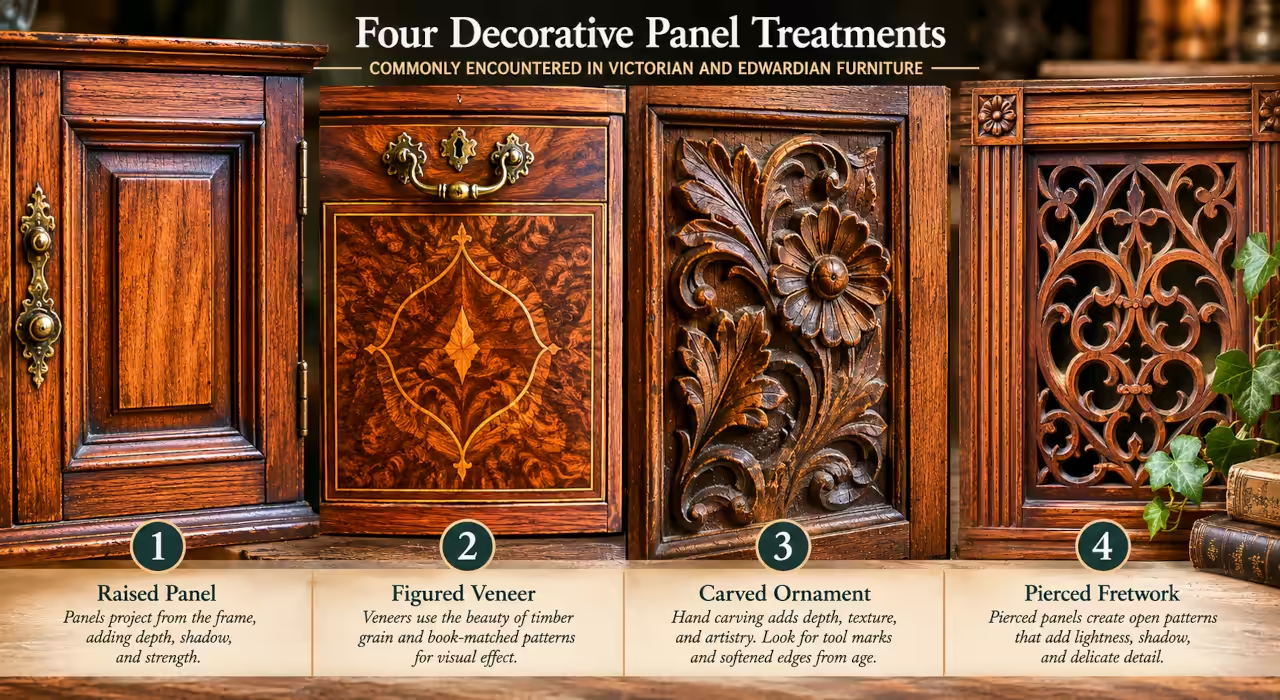
When exploring decorative panels, focus on the finer details: the curves of a carving, the flow of a design, and the finish of a veneer. These elements reveal different periods and styles, from robust grain and shaped mouldings to finer pierced details and later refinishing. The robust grain of a piece hints at its age, while the slick surface of a lacquered finish may indicate modern intervention. Each aspect encourages closer inspection of how these objects were made, used, altered, and preserved.
As you handle these fine items, consider the potential for restoration. This process not only honors the original craftsmanship but also breathes new life into the pieces. An artisan who reworks a lost veneer or revives a dull finish does more than improve appearance; they help preserve the visible evidence of earlier domestic craftsmanship.
Restoration as a Form of Reverence
In a world that often favors minimalist designs, the art of restoration offers a moment of reflection, urging us to rediscover what was once valued. What details lie hidden beneath layers of paint? Respected artisans approach each restoration with care, focusing on authenticity while enhancing functionality. This delicate balance respects the past while welcoming the future, allowing these objects to remain useful without erasing their age.
With every artisan’s examination of an old panel, the traces of previous repairs, replacement timber, softened edges, and marks of hands long gone come to light. Discovering hidden motifs beneath the surface can reveal decorative intent that was nearly lost. In this meticulous process, restoration not only aims to preserve the aesthetic but also deepens our engagement with the craft embedded within each object.
Ornamentation: The Soul of Domestic Spaces
Returning to the intimate living room, decorative panels resonate softly with life, each detail contributing to warmth and familiarity. The essence of home often resides in such details: the carved cupboard front, the aged wardrobe panel, the sideboard that has gathered colour and polish through long use. Decorative panels transcend mere embellishment; they help furniture hold its place within domestic life.
What emotions do these visual elements evoke? Does a beautifully carved panel stir nostalgia or solace? Beyond their undeniable visual appeal, these panels root our everyday experiences, encouraging connection within the often-overlooked corners of our homes. They anchor us to a lineage of artistry that invites exploration and appreciation.
Curatorial Observation
One of the easiest mistakes to make when viewing antique furniture is to focus entirely on the overall form while overlooking the panels themselves. Yet decorative panels often contain the strongest evidence of craftsmanship. A modest sideboard may possess ordinary proportions but feature exceptional carving, unusually figured veneers, or decorative details that reveal far more about the maker's intentions than the silhouette alone.
For this reason, collectors frequently study panels first and furniture forms second. The panel is often where decorative ambition, material choice, and workshop skill become most visible.
The remarkable craftsmanship of decorative panels connects us to those who came before us through timber, carving, veneer, and joinery. As collectors and restorers, we engage with these visible traces of domestic craft, ensuring they continue to resonate in our homes. For further reading, explore 5 Decorative Furniture Panel Styles for Vintage Homes.
Market Snapshot: Searches for decorative furniture panels currently return a diverse marketplace ranging from salvaged cabinet doors, carved oak panels, fretwork inserts, and architectural fragments through to complete Victorian and Edwardian sideboards, wardrobes, and cabinets. Buyers can expect a mix of affordable decorative pieces suitable for display, restoration, or creative projects alongside larger antique furniture commanding premium prices. Inventory changes frequently, making these searches particularly useful for discovering unusual carving styles, decorative motifs, timber finishes, and period craftsmanship that rarely appear in modern furniture.
Author's Notes
I have always found that cabinets, dressers, wardrobes, and doors reveal their character most clearly through their panels. A plain frame may perform its duty well enough, but a carved insert, a shaped veneer, a bead of moulding, or a small field of fretwork can change the whole feeling of a piece. These are not merely surfaces to be polished or repaired; they are the places where domestic furniture once declared its decorative intent.
In this article, I wanted to look closely at the kinds of panels that are easy to pass by when viewing old furniture quickly. A dresser front, a wardrobe door, or a cabinet side may hold clues about period, construction, taste, and later repair. The more one notices the grain, wear, shadow lines, and applied ornament, the more these objects begin to speak as examples of craft rather than anonymous storage.
My hope is that readers come away with a sharper eye for overlooked domestic ornament. Decorative panels need not be grand to be worth attention. Sometimes the most rewarding discoveries are modest ones: an aged veneer catching the light, a carved door softened by use, or a cabinet panel that still carries the quiet confidence of an earlier room.
Notes & Memoranda
Glossary
- Applied Ornament
- In this article, applied ornament refers to decorative elements attached to the surface of furniture rather than carved directly into the main structure. These additions are discussed as visual enhancements that help distinguish decorative intent and craftsmanship.
- Architectural Salvage
- Architectural salvage describes decorative components recovered from older buildings, including doors, wall panels, mouldings, and carved timber elements. Within this article, salvaged pieces are presented as valuable sources of inspiration and restoration material for decorative panel enthusiasts.
- Raised Panel
- A raised panel is a traditional construction method in which the centre section projects slightly above the surrounding frame. The article uses the term when discussing common decorative treatments found on cabinet doors, dressers, wardrobes, and interior joinery.
- Veneer
- Veneer refers to a thin decorative layer of timber applied over a core material to create a richer appearance. In this article, veneers are examined as important decorative surfaces that contribute pattern, colour variation, and visual sophistication to furniture panels.
Frequently asked questions
What are decorative furniture panels?
Decorative furniture panels are carved, moulded, veneered, pierced, or otherwise ornamented sections used on cabinets, dressers, wardrobes, sideboards, and doors to add visual interest, craftsmanship, and domestic character.
Where are decorative panels most commonly found?
They are often found on cabinet doors, dresser fronts, wardrobe panels, sideboard cupboards, drawer surrounds, interior doors, and salvaged architectural timber, especially in Victorian and Edwardian furniture.
How can I tell if an old panel is worth restoring?
Look for sound timber, intact carving, attractive veneer, original moulding, interesting wear, and signs that the panel still contributes visual character. Minor scratches or ageing may add atmosphere, while severe structural damage may require specialist repair.
Why do decorative panels matter in vintage interiors?
Decorative panels help shape the feeling of a room by adding shadow, texture, craftsmanship, and historical detail. They turn practical furniture surfaces into expressive features rather than plain storage fronts.
Further Reading…
References
- Designer Decorative Panels (1902), Journal of Crafts, September 1902.
Disclosure
This article explores decorative furniture panel styles commonly associated with Victorian and Edwardian interiors, including carved oak, fretwork, embossed ornament, inlaid surfaces, and decorative veneers. The feature is presented in the curatorial style of Phillaneum.com and combines decorative commentary, historical interpretation, and atmosphere-focused interior observations. It is intended as an introductory editorial guide rather than a formal restoration manual, valuation guide, or conservation reference.