5 Decorative Furniture Panel Styles for Vintage Homes
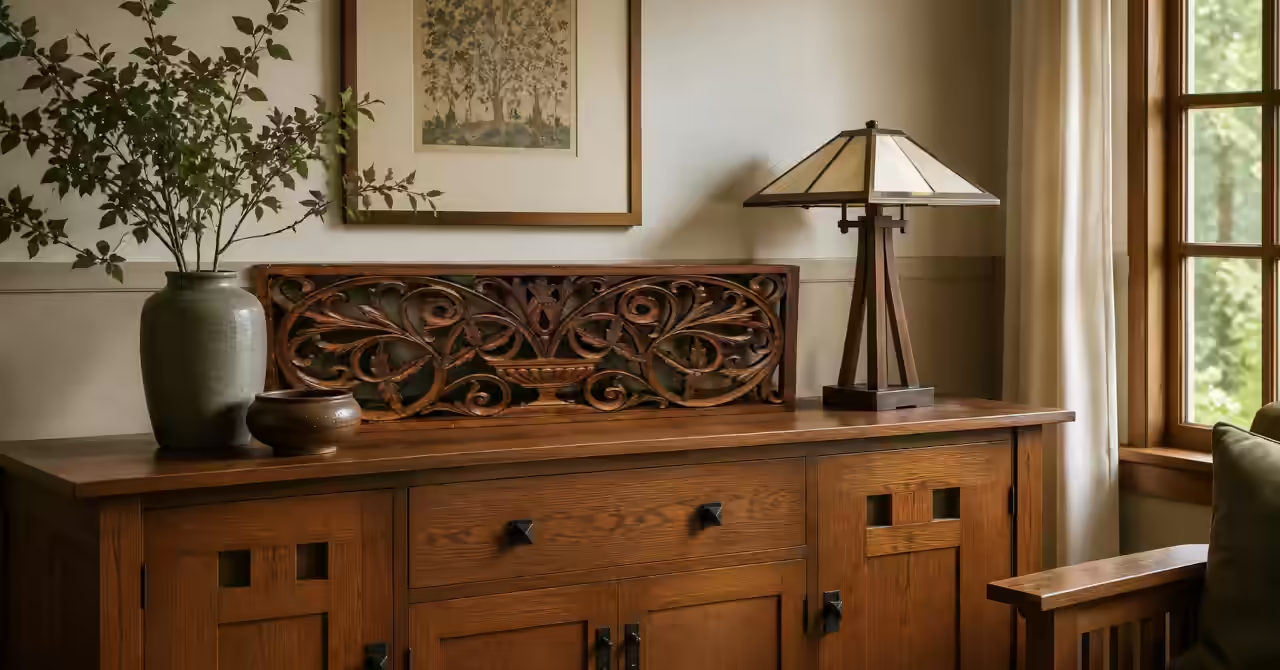
5 Decorative Furniture Panel Styles for Vintage Homes
In the quiet corners of vintage homes, decorative furniture panels reveal tales of craftsmanship. These elements go beyond mere function; they embody artistry that enriches our living spaces. From carved oak to intricate veneers, each panel evokes nostalgia, conjuring images of tea served on sunny afternoons and secrets exchanged in cozy reading rooms. In this exploration, we will delve into five distinctive decorative furniture panel styles that can transform your home while honoring the craftsmanship of the past.
Quick Identification Guide
- Carved oak panels often show deep relief carving, darkened timber grain, softened edges, and floral or scrolling motifs.
- Fretwork panels feature pierced or cut-out patterns that create decorative shadow, lightness, and lace-like timber detail.
- Embossed panels have raised ornament or pressed surface patterns that can be seen and felt as tactile decoration.
- Inlaid panels use contrasting woods or materials set into the surface to form geometric, floral, or pictorial designs.
- Ornamental veneers display thin decorative timber layers, often with striking grain, bookmatched patterns, or polished surface warmth.
Five Decorative Furniture Panel Styles
1. Carved Oak: Timeless Craftsmanship
Stepping into a room adorned with carved oak panels transports you to Victorian craftsmanship. The warm brown surface invites exploration of delicate knots and swirling motifs, each curve recalling stories from generations past. The polished oak, softened by the years, reveals a living history. Its deep textures provide grounding, serving as a backdrop for moments of laughter or quiet reflection over a cup of tea. These panels are not merely functional; they frame larger surfaces while inviting warmth and heritage into the home.
2. Fretwork: Delicate Patterns
Entering a hallway decorated with fretwork, you experience a gentle play of light and shadow. Intricately cut designs create lace-like patterns, allowing sunlight to filter into whimsical shapes that evoke memories of gardens bursting with wildflowers. The ethereal quality of fretwork enhances the visual allure of a space and exudes nostalgia, reminiscent of children playing in dappled light. This architectural feature brings a playful elegance to homes, enriching the atmosphere with artistic finesse.
3. Embossed Surfaces: A Tactile Journey
Examine a cabinet adorned with embossed panels, where raised designs invite your fingers to explore a tangible history. These textured surfaces resonate with rich narratives, encouraging tactile engagement. Each rise and fall in the embossed patterns speaks to the skilled hands that crafted them, while a fine layer of dust rests within the crevices, hinting at the time encapsulated within. More than visual wonders, these surfaces offer pathways into the heart of home, evoking the familiarity of cherished objects and the stories they hold.
4. Inlaid Panels: Conversations Across Cultures
Stepping into a reading room graced by inlaid panels reveals a rich tapestry of cultural depth. The meticulous art of inlay showcases a harmony of contrasting woods, like warm mahogany meeting cool maple, revealing intricate designs and vibrant storytelling. As you pull a volume from the shelf, you engage with not just the book but the legacy of craftsmanship that lends life to the room. Each panel becomes a conversation piece, bridging distant lands and times, enhancing the atmosphere while inviting exploration.
5. Ornamental Veneer: The Final Flourish
Cloaked in ornamental veneer, furniture achieves a refined elegance that captivates the eye. This layer, crafted from thin slices of decorative wood, enriches the aesthetic while inviting closer inspection. Beneath this beauty often lies the marks of wear—a subtle polish worn at the edges revealing the patterns of everyday life. Each gentle touch tells the story of family moments, adding depth to the veneer’s quiet confidence. This artistry serves as a reminder that beauty often resides in the details, capturing the essence of lived experiences within the tapestry of home.
The Impact of Panels on Room Atmosphere
Each decorative panel style shapes the emotional atmosphere of a space. Carved oak panels create a nurturing warmth, enveloping the room in a solid embrace, while fretwork introduces a delicate, playful lightness that encourages movement and conversation. The intimacy of embossed surfaces invites exploration, drawing you into their tactile allure. Inlaid and ornamental veneers evoke admiration, transforming ordinary surroundings into extraordinary moments, reflecting the interplay between craftsmanship and the emotions they inspire.
Where Decorative Furniture Panels Commonly Appear
Decorative furniture panels commonly appeared across Victorian and Edwardian domestic interiors, especially in furniture designed to display craftsmanship and social refinement. Carved oak panels frequently appeared on sideboards, dining cabinets, hall stands, and library furniture, while fretwork was often incorporated into parlour screens, cabinet doors, verandah detailing, and occasional tables.
Inlaid and veneered panels became especially popular on writing desks, wardrobes, music cabinets, and display cases where polished surfaces could catch changing natural light. Embossed ornament also appeared on decorative cabinet fronts, leather-inset furniture, and architectural room fittings intended to add texture and visual depth to otherwise functional household objects.
What to Notice When Looking at Old Panels
Many decorative panels lose part of their historical character through aggressive restoration. Heavy sanding can flatten carved detail, modern high-gloss coatings may obscure aged timber texture, and replacing original veneer often removes the subtle wear patterns collectors value. In many cases, gentle conservation and careful cleaning preserve more authenticity than complete refinishing.
When considering old panels, take a moment to examine the craftsmanship. Are the carvings sharp and well-defined, or have they softened elegantly with age? Note the symmetry in the patterns and the quality of the materials. Do the woods display a warm patina, hinting at the stories they’ve witnessed? These subtle nuances highlight the skills of artisans while conveying the life experiences embedded within each piece. Appreciating these details enhances your understanding of authenticity, value, and the depth of artistry involved.
Continue the Decorative Panel Journey
As you explore the world of decorative furniture panels, let curiosity guide you. Whether restoring a family heirloom or searching for overlooked decorative treasures, these surfaces reveal how craftsmanship once shaped the atmosphere of everyday homes. Continue exploring with our broader guide to decorative furniture panels, where we examine the history, materials, and enduring appeal of ornamental furniture surfaces across Victorian and Edwardian interiors.
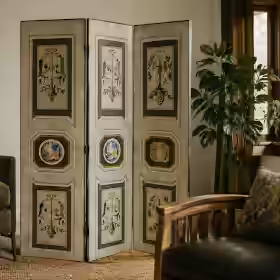
Browse surviving decorative panels, carved cabinets, and vintage room dividers currently circulating through the collector market.
Author's Notes
Writing this article reminded me that decorative furniture panels are never simply background ornament. As Arts and Crafts editor for Phillaneum.com, I am always drawn to the places where workmanship still speaks quietly through an object. A carved oak door, a fretwork screen, or a panel of carefully matched veneer can tell us how earlier makers understood beauty, usefulness, and domestic pride.
What I most wanted to share with readers is the pleasure of looking more closely. Many vintage homes still hold these small survivals of taste and craft, yet they are easily passed over because they sit inside familiar furniture: a cabinet, a sideboard, a hall stand, a wardrobe. Once noticed, they begin to change the way we read a room.
My own insight from preparing this piece is that panels often act as quiet thresholds between furniture and architecture. They soften storage into display, turn plain timber into storytelling, and give a home its sense of age, care, and human touch. For collectors, restorers, and curious readers, that is where their real value begins.
Notes & Memoranda
Glossary
- Embossed Panel
- In this article, embossed panels refer to decorative furniture surfaces featuring raised ornament or pressed patterns that create tactile depth. These details are discussed as both visual and physical textures that encourage closer observation and handling.
- Fretwork
- Fretwork describes intricately cut decorative patterns, usually formed by piercing timber to create open ornamental designs. Within this article, fretwork is associated with layered shadow, filtered light, and the delicate visual richness often found in Victorian interiors.
- Inlaid Panel
- An inlaid panel is a decorative surface created by inserting contrasting woods or materials into a base structure to form patterns or ornament. The article discusses inlaid panels as examples of craftsmanship that add cultural depth and refined decorative detail to interiors.
- Ornamental Veneer
- Ornamental veneer refers to thin decorative layers of richly figured timber applied to furniture surfaces. In this article, veneers are presented as finishing elements that introduce elegance, visual warmth, and subtle evidence of long-term domestic use.
- Patina
- Patina describes the softened appearance that develops through age, handling, oxidation, and wear. Throughout this article, patina is treated as an important contributor to atmosphere and authenticity, helping decorative furniture panels feel historically grounded rather than newly manufactured.
Frequently asked questions
What are decorative furniture panels?
Decorative furniture panels are ornamental surfaces integrated into furniture such as cabinets, wardrobes, dressers, and sideboards. They may feature carving, fretwork, embossed detailing, veneers, or applied ornament designed to add visual richness and atmosphere.
Which decorative panel styles were common in Victorian homes?
Victorian interiors commonly featured carved oak panels, pierced fretwork, embossed surfaces, ornamental veneers, and inlaid timber designs. These styles added texture, shadow, and decorative complexity to domestic interiors.
How can I identify old carved oak furniture panels?
Older carved oak panels often display deep carving, softened edges from age, visible grain variation, and small irregularities created by hand-finishing techniques. Genuine age usually produces a warmer and less uniform appearance than modern machine-made reproductions.
Why do decorative furniture panels feel warmer than modern flat furniture?
Decorative panels create visual depth through shadow, texture, pattern, and material variation. These details often make rooms feel more layered, intimate, and visually engaging compared with flat minimalist surfaces.
Are decorative furniture panels valuable to collectors?
Collectors are often drawn to unusual carving, fretwork, embossed ornament, rich veneers, and surviving Victorian or Edwardian craftsmanship. Condition, rarity, originality, and visual atmosphere can all influence desirability.
Further Reading…

Disclosure
This article explores decorative furniture panel styles commonly associated with Victorian and Edwardian interiors, including carved oak, fretwork, embossed ornament, inlaid surfaces, and decorative veneers. The feature is presented in the curatorial style of Phillaneum.com and combines decorative commentary, historical interpretation, and atmosphere-focused interior observations. It is intended as an introductory editorial guide rather than a formal restoration manual, valuation guide, or conservation reference.