Pierced Fretwork Panels Collectors Rarely Ignore Today
·Revised
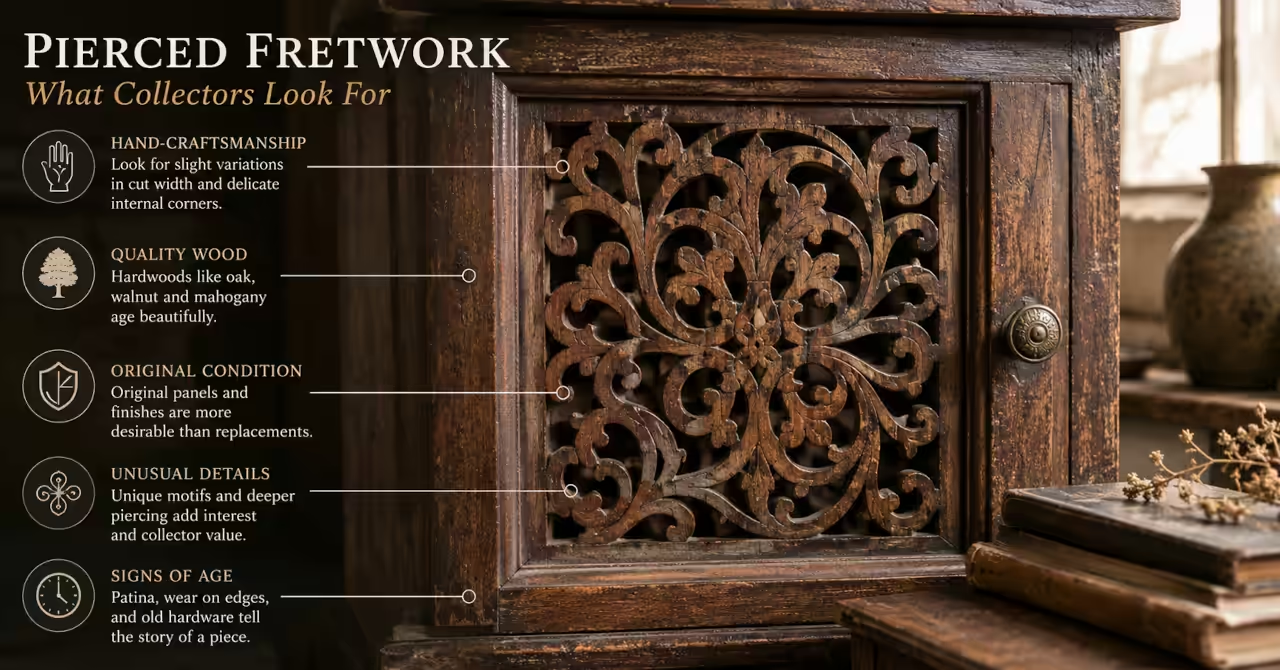
Pierced Fretwork: A Timeless Allure
Pierced fretwork panels captivate with their intricate designs and the stories they tell. Common in Victorian homes, these decorative wood panels add history and craftsmanship to modern interiors. Each curve and cut reflects the dedication of skilled artisans, echoing a time when woodworking was both an art and a craft. As collectors and enthusiasts seek pieces steeped in tradition, fretwork stands as a testament to artistry that contemporary, flat-panel designs rarely match.
The Artistry Behind Fretwork
What makes pierced fretwork exceptional? This technique invites light and shadow to dance across its surface, creating a shifting tapestry of visual intrigue. Imagine a cherished cabinet, its fretted panels hinting at the treasures within. This interplay of transparency and opacity fosters an interactive experience, where each glance can evoke nostalgia or spark curiosity. The fine craftsmanship found in the depth of each cut and the precision of the carving enhances the tactile allure, inviting touch and engagement.
The history of Victorian fretwork celebrates craftsmanship that emerged as a response to the machine-made aesthetic of the Industrial Revolution. Artisans devoted themselves to creating ornate, bespoke designs, regarding each pierced panel as a manifestation of cultural values and social identity. Modern collectors are drawn to these pieces not just for their beauty but for their embodiment of a time when artistry met purpose with unmatched attention to detail.
Creating Atmosphere with Fretwork
Integrating pierced fretwork into your home goes beyond aesthetics; it shapes an atmosphere that resonates with visitors. Envision a reading room enriched by a cabinet with fretted back panels, where sunlight filters through, casting delicate shadows on worn floorboards. This elegant interplay creates an ambiance reminiscent of cabinets of curiosities, inviting exploration of the treasures inside.
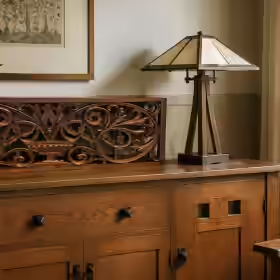
Fretwork is especially powerful when seen as part of the broader language of decorative panels for cabinets, doors, and dressers. A cabinet door, sideboard front, wardrobe insert, or dresser panel can shift from ordinary furniture surface into a small architectural moment, giving the room depth, pattern, and a sense of deliberate visual care.
Ornamental panels complement various design styles, from traditional to eclectic. A highly detailed piece can act as a stunning focal point, while simpler designs harmonise with an array of textured elements. Observing the nuances of these panels inspires our own curation, encouraging us to select objects that spark joy and tell their own stories within our homes.
Careful Observation: What to Notice
When encountering a fretwork panel, observe the craftsmanship, it reveals a wealth of information. Are the carvings deep and ornate, or more minimalistic? The depth of cut affects both visual appeal and tactile experience, presenting variations in light and rich texture. A well-crafted panel invites touch, even when safely preserved behind glass.
Experienced collectors often pause when a fretwork panel displays unusual complexity or evidence of hand craftsmanship. Tiny variations in cut width, slight asymmetries, and delicate internal corners can suggest hand-cut work rather than later machine production. Collectors also look for surviving original panels that have escaped repair or replacement, particularly when matching pairs remain together. These details may seem minor at first glance, yet they often become the features that separate an attractive decorative object from a genuinely memorable find.
"Collectors rarely stop for a piece because it is old. They stop because a detail catches the eye and refuses to let go."
For discerning collectors, the quality of wood is paramount. Woods like oak, walnut, and mahogany not only provide warmth but also age gracefully, their rich grains narrating stories of the past. The condition of each piece, including its provenance, significantly impacts its value. Age-related wear, such as the patina on brass fittings or the polished corners of a cabinet, becomes evidence of a cherished history, inviting reflection on the lives it once touched.
This is where fretwork connects with the wider collector fascination for strange decorative furniture details buyers now obsess over. A pierced corner, a surviving grille, a shadowed insert, or an unexpectedly elaborate side panel can become the detail that stops the eye. Collectors often recognise value first through these small irregularities, long before they have fully identified the period, maker, or timber.
The Collector's Journey: Pursuing Passion
For many collectors, fretwork panels represent a tangible connection to the past, embodying emotions and memories carried through time. While sifting through antique shops and estate sales, they seek not just items but stories that resonate with their personal aesthetic. Each panel presents a unique narrative, often evoking nostalgia or sparking connections to bygone days.
When a remarkable cabinet surfaces in a bustling thrift store, collectors recognize its value, transcending mere monetary worth. The worn edges and layers of dust collected over the years become markers of heritage, each scratch infused with care and admiration. The journey of acquiring these pieces evolves into a modern treasure hunt, intertwined with emotional resonance as collectors dream about the stories behind their newfound acquisitions.
Craft and Architecture: Beyond Decoration
Pierced fretwork extends beyond furniture, influencing architectural elements that structure our lives. Hallways transform into galleries as light plays off intricately designed wood, blending decorative art with the essence of our homes. Whether gracing a coffee table or enhancing the grand presence of a dining room, fretwork defines a space's character, creating a sacred atmosphere.
In a weathered New England farmhouse, the fusion of fine craftsmanship with age-old wood fosters warmth, nurturing visitors in a space rich with stories. Each panel interacts with light differently, enhancing not only the visual appeal but also the emotional experience of the home. Collectors embrace the responsibility of stewardship, curating their collections to reflect personal tastes and shared narratives rooted in history.
Reflective Closure: The Heart of Fretwork
Pierced fretwork panels invite reflection on the emotional landscapes they traverse, connecting our present lives with the rich historical narratives they embody. They encourage us to consider how even subtle design shifts resonate with broader cultural reflections. Whether you’re a devoted collector or an admirer of craftsmanship, exploring how these pieces bridge the past and present is a profound joy.
As we navigate our evolving environments, let us celebrate the intricate nature of ornamentation that shapes our experiences and intertwines our stories with those who came before. For those seeking to embrace a piece of history, a treasure trove lies within the curves and carvings of antiquity, where every panel represents an invitation to explore and share.
Market Snapshot: Collectors searching for pierced fretwork often begin with terms such as antique fretwork wood paneling. This search tends to surface carved wood panels, fretwork inserts, decorative grilles, salvage fragments, and cabinet details where shadow, hand-cut variation, patina, and original condition can be assessed more closely.
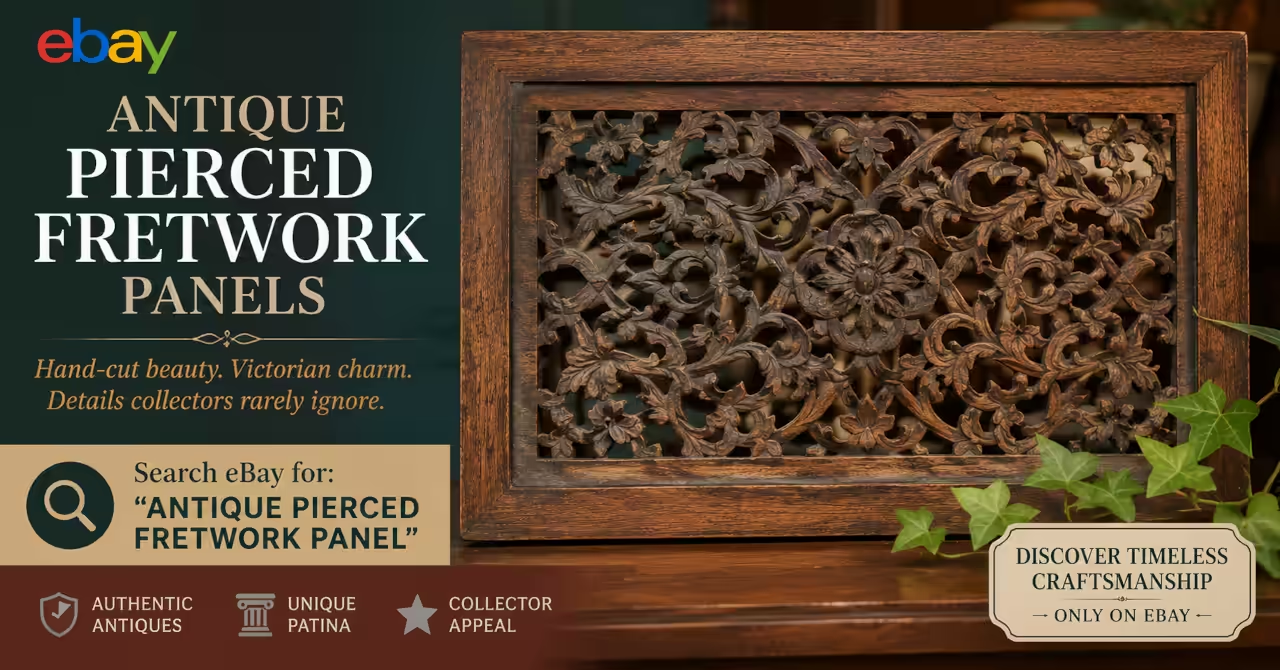
Buyers should note that modern laser-cut decorative panels frequently appear in the same search results. While these contemporary pieces can be attractive in their own right, they generally lack the age, patina, irregular hand-cut details, and historical character that attract many antique furniture collectors.
Author's Notes
When I began researching pierced fretwork for this article, I expected to find decorative furniture. What I found instead was a lesson in observation. The more examples I examined, the more I noticed that collectors were rarely responding to size, value, or even rarity. Their attention was drawn to details: the complexity of a pattern, the softness of a worn edge, or the way light passed through a panel and transformed an otherwise ordinary cabinet.
One of the challenges of writing about decorative furniture is that modern photographs often flatten the experience. A fretwork panel can appear attractive in an image, yet standing in front of one reveals something entirely different. Shadows move throughout the day, small details emerge gradually, and the craftsmanship becomes easier to appreciate. Much of the appeal exists in that interaction between object, light, and observer.
I was also struck by how frequently antique fretwork now appears alongside modern laser-cut reproductions in online marketplaces. The comparison is fascinating. Modern examples can be precise and visually appealing, but antique panels often reveal small irregularities, accumulated wear, and signs of human workmanship that tell a richer story. Learning to recognise those subtle differences is part of the enjoyment of collecting.
Perhaps the most interesting discovery was that pierced fretwork rarely exists in isolation. It appears within cabinet doors, sideboards, screens, architectural fragments, and decorative salvage. Once you become aware of it, you begin noticing it everywhere. The panels themselves become gateways into broader questions about craftsmanship, restoration, ornament, and the changing role of decoration within our homes.
If this article encourages readers to slow down and look more carefully at decorative details they might otherwise overlook, then it has achieved its purpose. Many of the most memorable objects I encountered during this research were not necessarily the grandest or most valuable. They were simply the pieces that made me stop, look twice, and wonder about the hands that made them.
Notes & Memoranda
As is often the case, the subject extends beyond the bounds of a single article. The notes and memoranda below gather together useful definitions, related observations, references, and occasional curiosities discovered along the way.
Observations from the Society
As this article continues its travels through the wider world, the Society agrees upon the following observation:
Decorative panels attract attention not because of ornament alone, but because shadow, depth, and surface variation create visual complexity that photographs well online.
Glossary
- Pierced Fretwork
- In this article, pierced fretwork refers to decorative wood panels cut with open patterns that allow light and shadow to pass through. The term is used to explore how craftsmanship, visual depth, and ornament create strong collector appeal.
- Collector Signal
- In this article, a collector signal describes a decorative feature that attracts the attention of enthusiasts and antique buyers. Pierced fretwork is presented as a collector signal because it often indicates craftsmanship, originality, and decorative character.
- Hand-Cut Work
- In this article, hand-cut work refers to fretwork created by skilled artisans rather than later machine production. Small variations, asymmetries, and delicate internal details are discussed as clues that collectors may look for when evaluating a piece.
- Patina
- In this article, patina refers to the visible signs of age and use that develop over time on wood, metal fittings, and decorative surfaces. Patina is discussed as evidence of history and authenticity rather than a flaw.
- Provenance
- In this article, provenance refers to the known history or ownership background of a fretwork panel or furniture piece. Provenance is mentioned as one factor that can contribute to collector interest and perceived value.
- Motif
- In this article, a motif refers to a repeated decorative pattern or design element incorporated into pierced fretwork. Unusual or particularly intricate motifs are discussed as features that often attract collector attention.
- Matching Pair
- In this article, a matching pair refers to two original fretwork panels that were designed and installed together. Collectors are encouraged to notice surviving pairs because they are often harder to find than individual panels.
- Visual Richness
- In this article, visual richness describes the layered effect created by carving depth, shadow, ornament, and craftsmanship. The term is used to explain why pierced fretwork often feels more engaging than modern flat-panel furniture.
- Cabinet of Curiosities
- In this article, a cabinet of curiosities is used as an atmospheric reference point for interiors filled with interesting objects, craftsmanship, and discovery. Fretwork is presented as contributing to this sense of visual exploration.
- Ornament
- In this article, ornament refers to decorative detail added for visual interest, atmosphere, and craftsmanship rather than purely functional purposes. Pierced fretwork is examined as a form of ornament that continues to resonate with collectors today.
Frequently asked questions
What are pierced fretwork panels?
Pierced fretwork panels are decorative wood panels cut with open patterns, allowing light and shadow to pass through the design. They are often found in antique cabinets, doors, dressers, screens, and architectural interiors.
Why do collectors notice pierced fretwork panels?
Collectors often notice pierced fretwork because it reveals craftsmanship, shadow depth, unusual motifs, and visual complexity. Hand-cut variation, original condition, and surviving matching panels can make a piece more memorable.
How can you identify quality fretwork?
Quality fretwork often shows clean internal corners, balanced patterning, good timber, careful cutting, and depth of detail. Slight irregularities may indicate hand craftsmanship rather than later machine-made production.
What details should collectors look for in fretwork panels?
Collectors should look for original panels, matching pairs, complex motifs, signs of hand cutting, good hardwoods such as oak, walnut, or mahogany, aged patina, original hardware, and minimal replacement or repair.
Are damaged fretwork panels still collectible?
Damaged fretwork panels may still be collectible if the design, timber, age, or decorative character remains strong. However, missing sections, crude repairs, or replacement panels can affect both visual appeal and collector value.
Further Reading…
Disclosure
This article explores decorative furniture panel styles commonly associated with Victorian and Edwardian interiors, including carved oak, fretwork, embossed ornament, inlaid surfaces, and decorative veneers. The feature is presented in the curatorial style of Phillaneum.com and combines decorative commentary, historical interpretation, and atmosphere-focused interior observations. It is intended as an introductory editorial guide rather than a formal restoration manual, valuation guide, or conservation reference.