Why Antique Decorative Panels Still Captivate Us
The Enduring Allure of Antique Decorative Panels
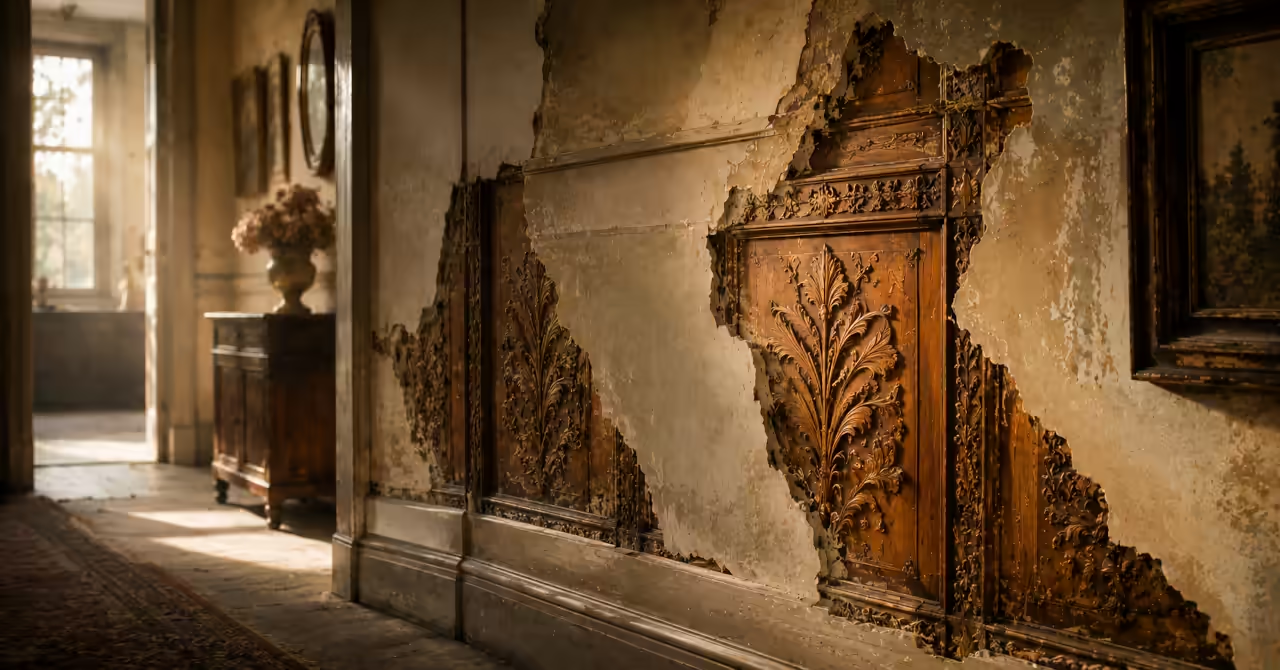
Step into a room adorned with antique decorative panels, and you’re enveloped by history. Light filters softly through intricately carved oak, revealing the character of wood shaped by time and skilled craftsmanship. Each piece stands as a testament to an era where ornamentation was essential, a vital expression of domestic identity. Often inherited through generations, these panels carry echoes of family life and the artistry of artisans whose names remain unknown.
The Emotional Pulse of Antique Panels
The appeal of antique decorative panels stems from their ability to evoke both personal and collective memories. Adorned with elaborate floral motifs or geometric patterns, these fragments serve as time capsules. Collectors and restorers are drawn not only to their aesthetics but to the stories they embody. Each touch of the polished surface beneath our fingertips transports us to a time when craftsmanship met intention, where every acquisition isn’t just about ownership but about preservation, an act of bringing history into the present.
The Interplay of Light and Shadow
As sunlight streams through a window, observe how it plays upon the carved details and subtle shadows, revealing the imperfections of life alongside these objects. The wear, the soft remnants of dust nestled in recesses, and the gentle patina of age evoke memories of evenings spent in parlours or gathering around dining tables, where each scratch in the surface tells tales of cherished moments and familial ties. This rich tapestry of interaction imparts emotional depth to the very fabric of the room, reminding us of what new, sterile surfaces can never replicate.
Craftsmanship and Intention
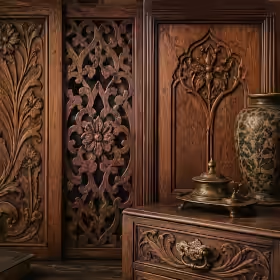
At the heart of these decorative panels is a marriage of skill and intention. Artisans of the past, armed with chisels and vision, crafted these pieces with meticulous attention to detail that modern design sometimes overlooks. The backs and fronts of furnishings were intentional, where each flourish speaks to the prevailing aesthetic philosophies of its time. Take a moment to admire a beautifully carved dresser, a convergence of design and craftsmanship that shares whispers of a bygone era.
Decorative Panels: Cultural Touchstones
Antique decorative panels offer more than mere aesthetics; they are cultural touchstones that invite us to reflect on the ornate nature of life in earlier times. They transport us to a world where ornamentation was essential, serving as a reminder of humanity's desire for beauty. In a reading room or hallway, these panels can create a sanctuary, transforming each space into a narrative woven with charm and character. Surrounding ourselves with such artifacts engages us in a dialogue with our identity and heritage, prompting us to consider how our living spaces evolve through the stories we choose to tell.
The Art and Heart of Restoration
For collectors, engaging with these panels is profoundly personal. Restoration becomes a form of storytelling, an intimate journey where wear resonates with memory, with a scalloped edge or faded lacquer hinting at a rich past. Each restored piece invites us to reflect not only on its exterior beauty but also on the life that has unfolded around it. It’s akin to flipping through a well-loved family album, where every detail recounts chapters filled with emotion, nostalgia, and shared history.
Crafting Emotional Landscapes
In our exploration of decorative panels, we encounter more than just antique objects; we uncover emotional landscapes that reflect human experience. As we thoughtfully place a panel in our homes, we breathe life into both the object and the space it occupies. The reflections of wood, the intricacies of age, and the stories of previous inhabitants weave together a rich fabric that invites meaningful engagement. These panels, with their striking designs and palpable histories, hold a mirror to our own narratives, reminding us that the beauty of craftsmanship is intricately linked to our shared humanity.
Continuing the Journey with Antique Panels
To deepen your appreciation for these exquisite pieces, consider how they represent not only decorative artistry but also broader cultural narratives. Explore the connections through these insightful links:
- Why Decorative Panels Feel Like Fragments of Lost Civilisations
- Homes Once Whispered Stories Through Decorative Ornament
- Why Decorative Salvage Feels More Authentic Than Modern Decor
Ultimately, these decorative panels invite us to celebrate not just the past, but the vibrant life and stories they continue to engage with today. They endure as testimonies to our shared heritage, reminding us that each carved detail is alive with the passage of time.
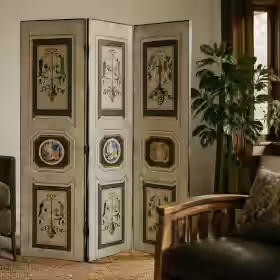
Browse surviving decorative panels, carved cabinets, and vintage room dividers currently circulating through the collector market.
Author's Notes
Notes & Memoranda
As is often the case, the subject extends beyond the bounds of a single article. The notes and memoranda below gather together useful definitions, related observations, references, and occasional curiosities discovered along the way.
Further Reading…
Disclosure
This article explores decorative furniture panel styles commonly associated with Victorian and Edwardian interiors, including carved oak, fretwork, embossed ornament, inlaid surfaces, and decorative veneers. The feature is presented in the curatorial style of Phillaneum.com and combines decorative commentary, historical interpretation, and atmosphere-focused interior observations. It is intended as an introductory editorial guide rather than a formal restoration manual, valuation guide, or conservation reference.