Why Not Furnish Around the Panel?
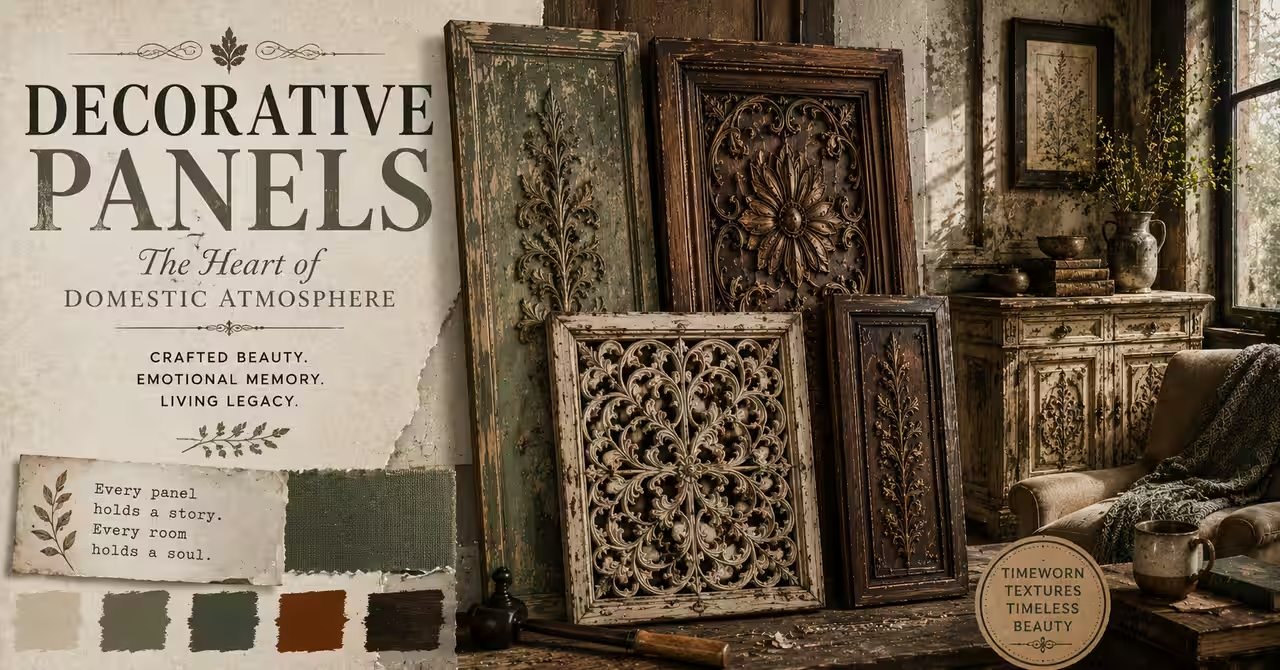
Why Furnishing Around Decorative Panels Matters
In the intimate corners of our homes, decorative furniture panels reveal stories waiting to be uncovered. These panels aren't merely aesthetic additions; they serve as emotional anchors, breathing life into our spaces. With a historical essence connecting us to the past, decorative panels offer profound narratives, shaping the atmosphere of our homes. As we delve into the world of decorative panels, we recognize how each element contributes to a layered identity, inviting reflection on both personal and collective histories.
Embodying History in Every Surface
Each decorative panel bears the marks of craftsmanship, radiating the artistry of the Victorian era. Picture a cabinet with finely carved timber, its surface marked by the gentle wear of generations. This polished patina carries not only the passage of time but also echoes of family gatherings filled with laughter and warmth. When positioned thoughtfully, furniture enhances the emotional landscape framed by these panels, transforming a simple room into a sanctuary of nostalgia.
Imagine a sitting room where a prominently displayed panel invites light, the gilded edges catching the afternoon sun. A richly upholstered russet sofa complements the warm wooden tones, creating an intimate retreat. Here, every element harmonizes, from a delicately crafted side table to the soft glow of a nearby lamp, making the panel a vital contributor to the room’s emotional experience.
The Role of Color and Texture in Atmosphere
Decorative panels infuse a unique character into a room, accentuating the interplay of light and shadow. Picture a hallway cloaked in dark timber, where intricate patterns dance with shifting light throughout the day. These deep hues evoke a sense of history, while lighter shades expand and brighten a space, inviting new energy. Textural variations, from a finely polished surface to the rough charm of weathered wood, engage our senses and encourage us to linger.
Personal resonance varies with each observer. A floral motif may transport someone to cherished memories of a grandmother’s home, while a geometric design sparks nostalgia for bustling city streets. This relationship with decorative features introduces emotional layers, fostering a deeper connection to our surroundings.
Guiding Furniture Arrangement Through Emotional Resonance
When arranging furniture, each decision shapes a room's emotional tone. Decorative panels serve as guides, influencing our choices in color palettes and lighting dynamics. The selected wood, whether dark and commanding or light and airy, affects how colors interact against the backdrop, whispering comfort or elegance in equal measure.
Consider a Victorian reading room where deep mahogany panels create a dramatic ambiance, juxtaposed against soft upholstery. Light filtering through arched windows highlights the intricacies of joinery and surface details, infusing the space with a welcoming glow. Each furniture placement becomes a deliberate choice, contributing to the larger narrative of your home, inviting you into an enchanting, forgotten world.
The Allure of Restoration and Craftsmanship
Restoring decorative panels invites a respectful dialogue with the past. Whether refinishing a hall panel or relayering a dresser's ornate motif, this nuanced process allows us to rediscover historical depth. Closer inspection reveals granular details: the smoothness of polished wood, dust settling in carved recesses, and subtle variations of wear tell stories of unspent moments.
These features transform furniture into vessels of memory, weaving warmth and familiarity into the fabric of our lives. As we restore and care for each piece, a tangible sense of history fills the room, encouraging engagement with the legacies embodied in our surroundings. Revitalizing these elements makes the past a living part of our present-day homes.
Creating Thoughtful Spaces with Emotional Intelligence
In a fast-paced world, fostering emotional awareness in our homes is essential. Thoughtfully styled decorative panels can transform rooms into nurturing sanctuaries that reflect our aspirations and histories. The tactile experience of tracing the contours of an ornate cabinet or inhaling the scent of aged wood encourages us to slow down and appreciate the crafted beauty around us.
With gentle lighting and deliberate arrangements, each panel can fill our interiors with the warmth characteristic of ornate Victorian homes. These decorative elements are not just adornments; they are integral pieces that shape our moods and experiences. Through their artistry and history, decorative panels guide us toward spaces rich in emotional intelligence and connection.
Continuing the Journey of Decorative Panels
For those captivated by the richness of decorative panels, the exploration can continue through various avenues. For inspiration, consider how to Decorate a Home Like a Forgotten Victorian Theatre, an exploration of past grandeur brought into modern elegance. You may also find insights in The Lost Psychology of Panelled Furniture, revealing how our surroundings deeply affect our psyche. Lastly, immerse yourself in The Emotional Warmth of Ornamented Victorian Homes to uncover how these treasured elements offer layers of nostalgia and comfort.
Reflecting on Your Decorative Journey
As we contemplate the role of decorative panels in our homes, it’s an opportunity to reflect on their potential to shape our environments. How will you allow these artful features to guide your choices in color and furniture arrangement? Though years may have passed, the emotional warmth encapsulated within decorative Victorian designs remains vibrant, reminding us of our shared narrative and the beauty that can be crafted in our spaces.
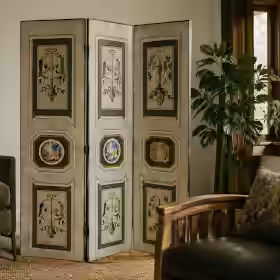
Browse surviving decorative panels, carved cabinets, and vintage room dividers currently circulating through the collector market.
Author's Notes
Notes & Memoranda
As is often the case, the subject extends beyond the bounds of a single article. The notes and memoranda below gather together useful definitions, related observations, references, and occasional curiosities discovered along the way.
Further Reading…

Disclosure
This article explores decorative furniture panel styles commonly associated with Victorian and Edwardian interiors, including carved oak, fretwork, embossed ornament, inlaid surfaces, and decorative veneers. The feature is presented in the curatorial style of Phillaneum.com and combines decorative commentary, historical interpretation, and atmosphere-focused interior observations. It is intended as an introductory editorial guide rather than a formal restoration manual, valuation guide, or conservation reference.