The Emotional Warmth of Ornamented Victorian Homes
·Revised
The Emotional Warmth of Ornamented Victorian Homes
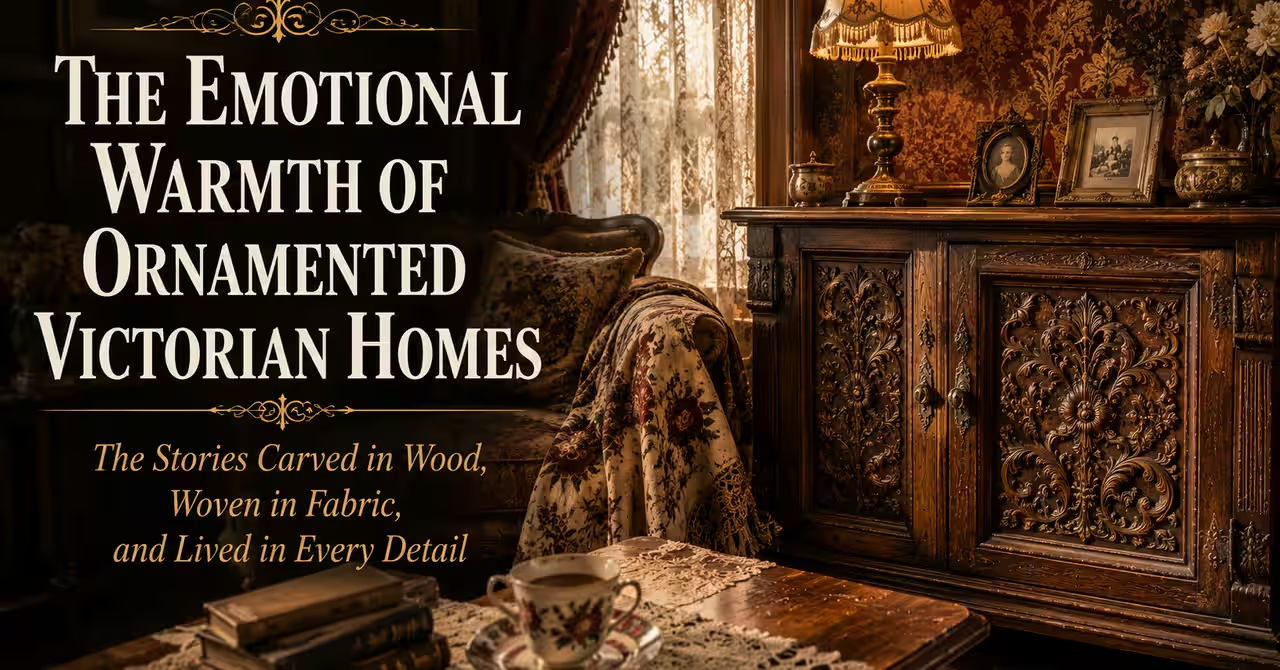
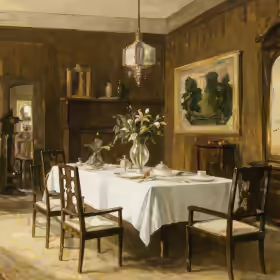
Step into a Victorian home, and you find more than just a space; you encounter an intricate tapestry of stories. The rich scent of polished timber mingles with the soft glow of lamplight, crafting an inviting atmosphere that often feels absent in today’s minimalist structures. Each decorative panel, artfully carved with botanical motifs or intricate curlicues, speaks to an era steeped in emotional depth, transforming every corner into a sanctuary of memory and belonging.
The Tactile Storytelling of Decorative Panels
As we delve into the layered ornamentation of Victorian design, the contrast with contemporary aesthetics becomes evident. Dark wood cabinets, marked by age and wear, cradle the essence of lives once lived within these walls. Each surface, whether the worn edges of a sideboard or the polished brass handles glimmering softly in lamplight, offers a testament to daily life: the laughter of families gathered for supper, the quiet of a reader lost in a well-loved novel, the gentle hum of routine. These decorative panels are not mere embellishments; they express intention and reveal cultural values, deepening our understanding of home-making.
The Emotional Terrain of Ornamented Spaces
Victorian interiors resonate with emotional narratives, where ornamentation serves not just as decoration but as an anchor to the past. Consider the frayed tapestry draping an armchair or the patina gracing a cherrywood dresser; each narrates intimate histories of familial moments, shared laughter, and whispered conversations, all reverberating softly against the brocade wallpaper. This textured environment enriches our connection to our own histories.
The stark simplicity often found in modern design can feel emotionally barren. Rooms stripped of ornamentation, bare walls and unadorned furniture, whisper a different kind of story, one focused on self-reliance and functionality. Yet, the tactile warmth offered by layered textiles and intricate decorative paneling invites richness into our daily experiences. Imagine tracing your fingers along the detailed carvings of a cherished cabinet, each groove and flaw telling tales of a life well-lived.
The Cultural Narrative Behind Ornamentation
The aesthetic choices of the Victorian era resonate with cultural narratives embedded in each decorative element. Ornamentation speaks to social standing, aspirations, and the joy woven into the fabric of home life. A reading room adorned with decorative panels reveals more than mere taste; it signifies a home that cherishes learning and leisure, inviting moments spent immersed in literature.
An antique atmosphere is not simply a collection of objects; it embodies layers of experiences waiting to be discovered. The gentle wear on a side table hints at family gatherings, each mark an echo of laughter and conversation. The traces of restoration often unveil deeper stories, a cabinet showing earlier paint schemes or the charming unevenness of a hand-carved edge. These palimpsests of history remind us that domestic spaces engage in an ongoing dialogue with their pasts, shaping our present in profoundly human ways.
Illuminating the Narrative Power of Decorative Panels
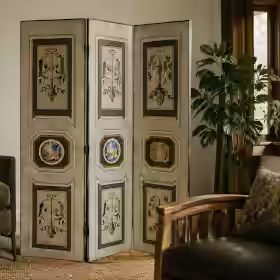
Ornamentation in Victorian homes holds a narrative power that evolves with time. Decorative panels, intricately crafted, breathe personality into these spaces, revealing the values, dreams, and stories of their occupants. Each carving, regardless of delicateness, holds whispers of identity and moments captured in time, waiting for someone to pause and reflect.
Consider the intricate carvings on a cabinet front, each inch imbued with character, fostering an emotional response to the room. As explored in our piece on why decorative salvage feels more authentic than modern decor, restoring these pieces connects us to the ethos of their time, while the uneven grain and worn edges offer tactile engagement, warmth and familiarity often missing from stark, new designs.
The Lasting Appeal of Victorian Aesthetics
Victorian decorative panels continue to inspire contemporary design, urging us to reconsider the emotional potential of our own spaces. Their storied pasts promise a wealth of cultural and sentimental value, challenging the minimalism that often defines modern aesthetics. Each ornate detail draws us back in time, embedding its narratives into our personal spaces. They invite us to take ownership of our domestic history, reminding us that they are not just artifacts but vessels of warmth and legacy.
As we reflect on the significant role decoration plays in the emotional architecture of our lives, we see how decorative panels, rich fabrics, and the natural warmth of aged timber embody the human touch. They enrich our experiences of home, encouraging not just habitation but deeper connections to the past.
Embracing these layers of ornamentation invites us to reawaken the emotional dialogues that shape our living spaces, offering more than mere embellishment. They become the essence of warmth and belonging, a narrative woven into the very fabric of our lives.
Browse surviving decorative panels, carved cabinets, and vintage room dividers currently circulating through the collector market.
Author's Notes
Notes & Memoranda
As is often the case, the subject extends beyond the bounds of a single article. The notes and memoranda below gather together useful definitions, related observations, references, and occasional curiosities discovered along the way.
Mentions & Echoes
The following articles extend or reflect the ideas explored here, returning to similar questions through different materials, contexts, and lines of inquiry.
- The Phillaneum Gazette 005 – Decorative Furniture Panel Special – selected as a featured article examining how ornament, atmosphere, and decorative interiors contribute to the emotional character of a home.
Further Reading…
Disclosure
This article explores decorative furniture panel styles commonly associated with Victorian and Edwardian interiors, including carved oak, fretwork, embossed ornament, inlaid surfaces, and decorative veneers. The feature is presented in the curatorial style of Phillaneum.com and combines decorative commentary, historical interpretation, and atmosphere-focused interior observations. It is intended as an introductory editorial guide rather than a formal restoration manual, valuation guide, or conservation reference.