The Lost Psychology of Panelled Furniture
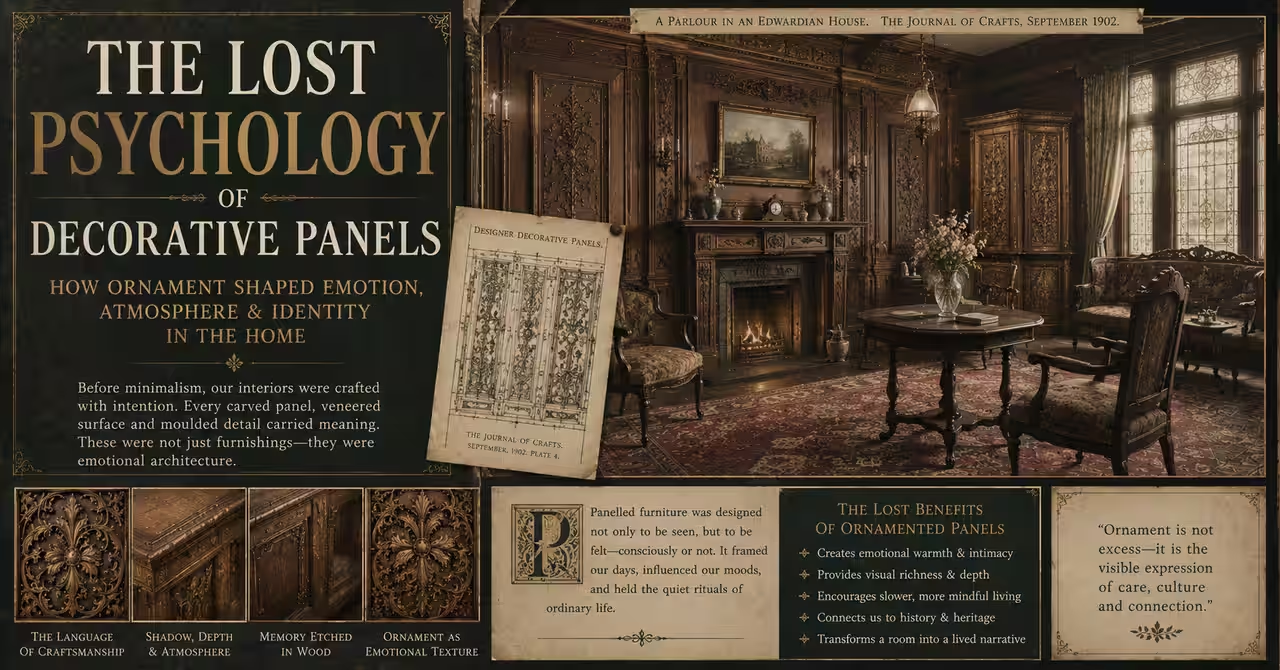
The Lost Psychology of Panelled Furniture
In an era dominated by sleek lines and stark minimalism, the rich tapestry of panelled furniture often retreats into the shadows, stirring nostalgia for the ornamented interiors of the past. The days of lavish details that enveloped us in warmth seem distant. Modern simplicity strips away layers of visual comfort that once defined domestic life. This longing for richer textures and intricate designs invites us to reflect on how these ornamental surfaces, embedded in our living spaces, evoked emotional connections that still linger in our memories.
The Emotional Tapestry of Decorative Surfaces
The layered textures of panelled furniture, its elegant curves, detailed carvings, and smooth finishes, carry an artistry that transcends mere functionality. Picture a mahogany dresser, its grain polished to a soft sheen, inviting fingers to trace the faint outlines of floral motifs. Imagine a bow-fronted cabinet casting delicate shadows that flicker under candlelight. These elements weave a narrative, evoking distant family gatherings and quiet evenings sheltered within their embrace. Through the hands of skilled artisans, panelled furniture becomes more than mere objects; they serve as conduits for emotional resonance and cultural identity.
Cradling Comfort in Layers of Ornamentation
Each ornate panel offers not just visual delight but a sensory connection to a bygone era. The Victorian period, distinguished by its elaborate designs, brought panelled furniture into everyday life, shaping family experiences. Envision standing in a hallway filled with mismatched shoes, dust motes dancing in sunlit beams, while a dark timber sideboard stands sentinel, its rich textures whispering tales of meals shared and conversations held. The object itself becomes a keeper of cherished memories, inviting reflection on both the past and the present.
Shadow Play and Emotional Intelligence
How do the surfaces of our environments enhance their emotional landscapes? In a reading room clad in deep paneling, light filters in, creating a play of shadows across intricately carved surfaces. These shadows cultivate an atmosphere ripe for contemplation, altering our interactions with the spaces we occupy. Unlike the sterile aesthetics of minimalism, ornamental features evoke a tapestry of feelings, nostalgia, comfort, tranquility, that resonate deeply within our psyches. Engaging with these surfaces invites us not merely to interact with furniture but to experience layers of emotional intelligence that contribute to a profound sense of belonging.
Cultural Echoes in the Age of Minimalism
Today's preference for minimalism often sacrifices the emotional warmth that once filled our homes. Stripping away the intricacy of ornamentation leaves spaces feeling devoid of character and personality. The absence of decorative elements robs us of the tactile and emotional richness that once defined our environments. Consider the embrace of a Victorian home, where ornate details expressed both individuality and family unity. A well-loved chest of drawers, its surfaces worn yet dignified, offers more than utility; it resonates with trust and familiarity, urging us toward emotional connections that may now feel overlooked.
The Touch of Time: Restoration and Preservation
Each mark etched into a surface holds a story, a testament to time unfolding in layers of patina. In restoration efforts, we ignite new possibilities, where wear is not merely repaired but reinterpreted. The subtle details, dust in corners, faded polish on cabinet fronts, remind us of the histories embedded within our objects. Renovating a room transcends aesthetics, offering a chance to rediscover emotional landscapes that lie buried beneath. Each lovingly restored panelled piece connects us to cultural narratives, transforming furniture from mere objects into vessels of shared history.
Embarking on a Decorative Panel Journey
The lush world of panelled furniture invites exploration. These beautiful surfaces elevate the emotional intelligence of a room, a theme explored in our article on Why Decorative Panels Make Rooms Feel More Intelligent. For those who appreciate the warmth of history, learning about the intricate details that define Victorian homes can be enriching; our visit to The Emotional Warmth of Ornamented Victorian Homes might resonate with you. If you're contemplating how to incorporate such dynamic surfaces into your own space, take a moment to consider Why Not Furnish Around the Panel?, inviting these exquisite pieces into the heart of your decorative narrative.
Reflecting on the Essence of Panelled Interiors
The essence of panelled furniture has not faded; it awaits rediscovery in our busy, minimalistic lives. With every intricately carved edge and shadowed recess, these pieces prompt us to slow down, appreciate craftsmanship, and reflect on our emotional ties to the spaces we inhabit. By embracing the layered legacies of these ornamental surfaces, we can enrich not just our homes but our lives, weaving memories into the very fabric of our domestic existence.
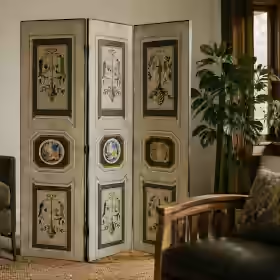
Browse surviving decorative panels, carved cabinets, and vintage room dividers currently circulating through the collector market.
Author's Notes
Notes & Memoranda
As is often the case, the subject extends beyond the bounds of a single article. The notes and memoranda below gather together useful definitions, related observations, references, and occasional curiosities discovered along the way.
Further Reading…

Disclosure
This article explores decorative furniture panel styles commonly associated with Victorian and Edwardian interiors, including carved oak, fretwork, embossed ornament, inlaid surfaces, and decorative veneers. The feature is presented in the curatorial style of Phillaneum.com and combines decorative commentary, historical interpretation, and atmosphere-focused interior observations. It is intended as an introductory editorial guide rather than a formal restoration manual, valuation guide, or conservation reference.