Why Decorative Panels Make Rooms Feel More Intelligent
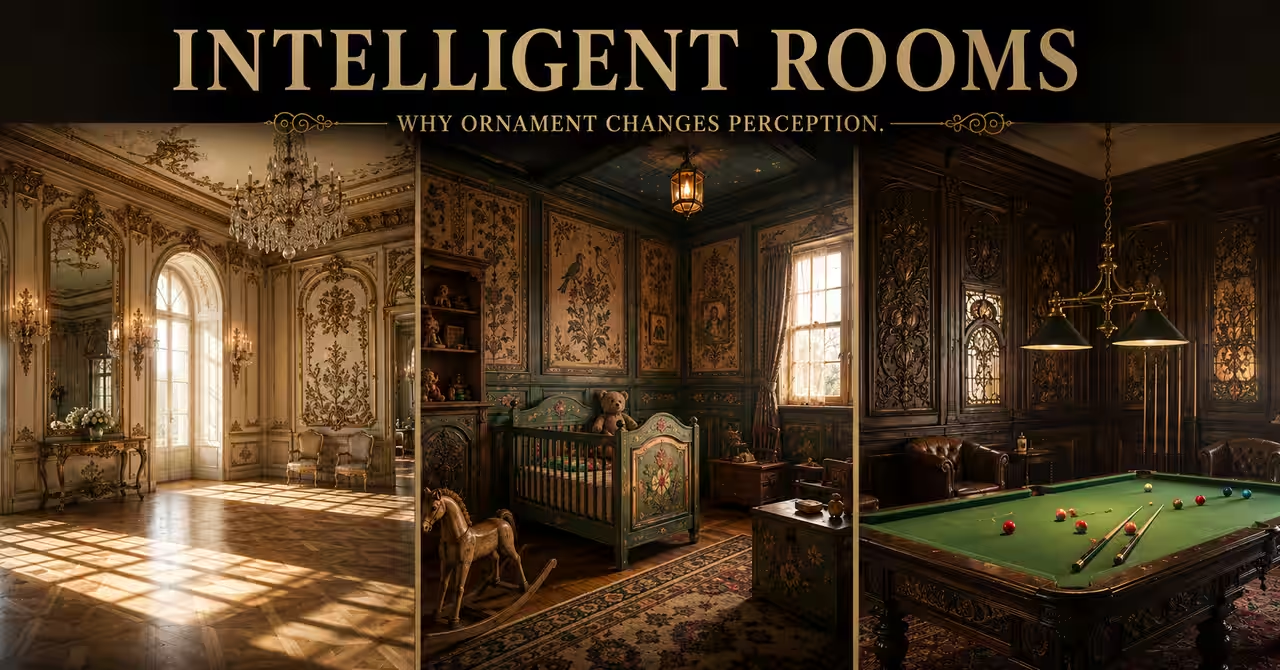
The Intrigue of Decorative Panels in Thoughtful Spaces
Within the warm embrace of a Victorian parlour, decorative panels offer a narrative woven from intellect, culture, and emotion. As sunlight spills through lace curtains, it dances across dark timber surfaces, casting shadows that invite contemplation. Each meticulously carved detail contributes to the character of the room, engaging the mind in a dialogue about its essence. This quiet intelligence, manifest in our surroundings, highlights the profound connection between environments and cognitive experiences.
Ornamentation as a Reflection of Intellectual Depth
The allure of decorative panels lies not only in their aesthetic beauty but also in their ability to evoke spaces where thought flourishes. Ornate details allow us to feel the weight of history, a bond with past thinkers and creators who once lingered within these walls. Layered designs serve as vessels for memory and exploration, transforming the mundane into sanctuaries of aspiration. In a world increasingly drawn to minimalism, the richness of ornamentation reminds us that complexity can coexist with clarity.
Pause for a moment to observe the calming presence of decorative panels. In a reading room encircled by books, engraved motifs resonate with thoughtfulness. The polished wood, worn by generations of hands, carries stories within the fabric of the interior. As light glides over these surfaces, shadows reveal themselves within intricate carvings, deepening our experience of space and uncovering the emotional intelligence inherent in our environments.
The Influence of Historical Context on Modern Perception
Our historical context, particularly the legacy of dark academia with its timeworn charm, shapes contemporary views of interior spaces. The concept of "intelligent interiors" intertwines with cultural narratives, evoking feelings of connection and thoughtfulness cherished even in stark, minimalist designs. Each piece, be it a resplendent dresser or an ornate china cabinet, merges functionality with beauty, inviting us into deeper reflection about our lives.
Consider the corners of a grand estate, where dust gathers subtly, hinting at the passage of time and the myriad stories layered within the wood grain. Rooms that embrace decorative design become liminal spaces, rich with possibilities. The warmth of a mahogany cabinet or the smooth veneer of a sideboard fosters a sense of connection and contemplation, encouraging an environment where intellect can flourish amid visible beauty. These intricate details prompt not mere observation, but active engagement with our surroundings.
Emotional Resonance and Intellect: The Seamless Union
How does the ornamentation of a room influence our emotional intelligence? In spaces enriched by layered designs, we find ourselves profoundly engaged. Rooms adorned with decorative paneling operate as partners in our reflections, crafting a theatre where ideas unfurl amidst shadows and light. Each detail, whether the unevenness of a carved floral motif or the gentle wear of polished surfaces, serves as an invitation to ponder, expanding our understanding of beauty into realms of memory and thought.
The emotional depth found in ornamented Victorian homes, where each detail evokes warmth, enhances their inviting charm. Here, the human touch is palpable; even the smallest imperfections remind us of the artistry and care involved in crafting these spaces. As we navigate through richly textured rooms, we embrace their stories, enriching our inner landscapes and encouraging introspection.
The Intersection of Aesthetics, Emotion, and Intellectual Engagement
Decorative panels initiate a dialogue with our environment, creating a textured experience that heightens both cognitive and emotional engagement. The physicality of these carefully designed spaces cultivates a sense of belonging while enriching our imaginative faculties. Over generations, artistry, craftsmanship, and human inquiry merge within these interiors, unveiling the essence of intelligent spaces, layered narratives that, like fine literature, explore the profound depths of human experience.
Every embellished corner, every shadow cast by painstakingly carved decorations resonates within us. The rich dialogue of design speaks not only to our aesthetic sensibilities but also to our experiences as inhabitants of these lyrical spaces. Alone or in conversation, we find ourselves enmeshed in an atmosphere that celebrates intelligence, a testament to the extraordinary ability of decorative panels to elevate our surroundings and enhance our contemplative lives.
As you delve further into the realm of decorative panels, consider exploring these complementary themes: Secret Library Interior Atmosphere Collection, The Lost Psychology of Panelled Furniture, and The Emotional Warmth of Ornamented Victorian Homes.
With each meticulously crafted surface, we uncover both the beauty and the intellect that enrich our spaces. These environments inspire wonder and introspection, inviting us to acknowledge our intimate relationship with the carefully curated warmth of ornamentation and, ultimately, with ourselves.
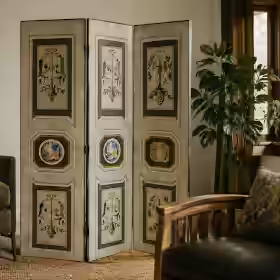
Browse surviving decorative panels, carved cabinets, and vintage room dividers currently circulating through the collector market.
Author's Notes
Notes & Memoranda
As is often the case, the subject extends beyond the bounds of a single article. The notes and memoranda below gather together useful definitions, related observations, references, and occasional curiosities discovered along the way.
Further Reading…

Disclosure
This article explores decorative furniture panel styles commonly associated with Victorian and Edwardian interiors, including carved oak, fretwork, embossed ornament, inlaid surfaces, and decorative veneers. The feature is presented in the curatorial style of Phillaneum.com and combines decorative commentary, historical interpretation, and atmosphere-focused interior observations. It is intended as an introductory editorial guide rather than a formal restoration manual, valuation guide, or conservation reference.