Lost Edwardian Hotel Wallpaper Collection
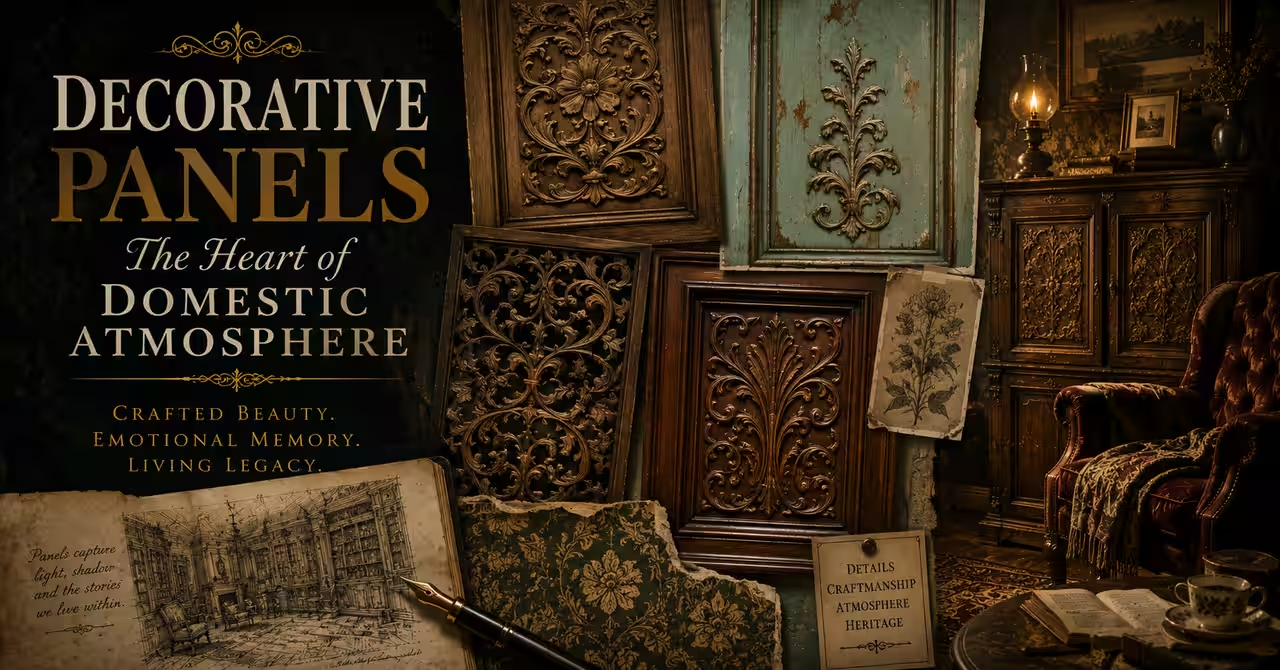
Echoes of Edwardian Elegance in Hotel Wallpapers
In the faded corridors of Edwardian hotels, delicate wallpaper patterns evoke a time of shared experiences and aspirations. Now often peeling and dulled, these remnants whisper of opulence, a welcoming embrace of vibrant floral motifs and intricate damasks that once graced parlours echoing with laughter and the rustle of silk gowns. Today, these fragments not only serve as decor but invite us to delve into the ornamentation that defined hotel interiors, where hospitality intertwined with artistry.
The Language of Ornamented Patterns
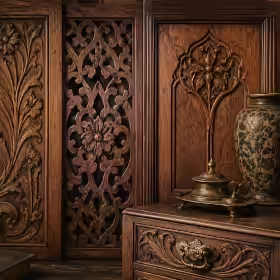
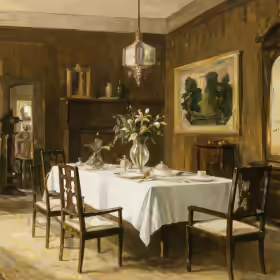
Examining the surviving fragments of Edwardian wallpaper, we are drawn not only to their aesthetic qualities but to the stories they encapsulate. Each design transforms a flat surface into a living narrative, connecting us to lives once lived in these lavish spaces. Dark timber wainscoting often frames these intricate motifs, where shadows play in carved recesses, each crease a testament to the passage of time.
The ornate designs weave a dialogue with guests, guiding emotions and creating a comforting atmosphere. Marbled lobbies adorned with pastel greens and soft mauves radiate warmth, inviting reflection. Scrolls and geometric shapes turn walls into canvases, spinning tales that linger long after the last guest departs. In this interplay of shadow and light, we are reminded of a shared history; every inch of wallpaper holds the whispered secrets of the past.
Restoration: Navigating History's Footprints
In the process of restoration, we engage in a dialogue with relics of time. Original wallpaper clings to its surroundings with stubborn grace, each scar and imperfection a silent acknowledgment of history. Dust gathers in corners, whispering of past gatherings, while subtle wear on cabinet fronts narrates tales of elegance long lost. This delicate tension between memory and reinvention makes appreciating patina as essential as cherishing the wallpaper itself.
Craftspeople involved in these restorations tread a fine line as they evoke nostalgia while balancing accuracy and artistry. Fine details, such as polished brass fittings and moisture-worn edges, remind us that every embellishment carries emotional weight. Reviving these intricate designs becomes an act of reverence, extending a lifeline to a world rich with beauty and humanity's longing for transformation.
Emotional Spaces: Hallways and Reading Rooms
Walking through the dimly lit hallways of historic hotels, light filters through tall windows, revealing layers of stories within the wallpapered surfaces. The air thickens with remnants of past gatherings where plush armchairs invited conversation and velvet drapes framed ever-changing scenes of connection. Here, decorative panels embody tangible histories, capturing the spirit of those who once lingered in each room.
Polished wood hallways, where dust particles dance in muted sunlight, lead us into realms of memory, offering glimpses into the lives of guests dressed in long-forgotten attire. Each decorative panel acts as a vessel of emotion, revealing age's imperfections as cracked plaster draws our gaze to the interplay of past and present. In these spaces, artistry transcends ornamentation; the imperfections invite us to embrace the poignant beauty of what remains.
The Decorative Legacy of Transience
Diving into the realm of Edwardian wallpapers, we find that decorative panels serve as both artistic features and portals into a richly illustrated past. They reflect a time when hotel interiors mirrored societal aspirations and fleeting desires. In their intricate patterns, the fusion of craftsmanship and elegance stands as a testament to our collective human experience, a dance between transitory beauty and enduring legacy.
The cultural interpretation of this tapestry reminds us of our inherent need for beauty, comfort, and elegance. While grand designs may fade, the emotions they evoke endure, with each layer of wallpaper holding fragments of dreams, joys, and aspirations. This faded grandeur encapsulates not only the aesthetics of a bygone era but also our shared longing for connection and understanding. The stories within these walls remind us of humanity’s quest for significance, transcending time and nurturing an emotional resonance we carry forward.
Your Exploration Awaits
For those intrigued by the delicate narratives of domestic artistry, the journey through decorative aesthetics continues. Explore our insights into the past with the Decorating a Home Like a Forgotten Victorian Theatre, immersing yourself in the ornateness of bygone theatrical spaces. Engage with the Secret Library Interior Atmosphere Collection, which showcases literary warmth and elegance. Finally, reflect on personal stories woven into our environments in The Emotional Warmth of Ornamented Victorian Homes, inviting deeper contemplation of the spaces we inhabit and the memories they cradle.
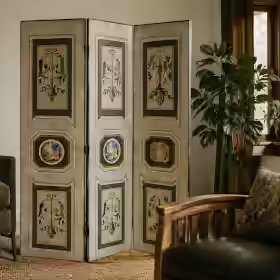
Browse surviving decorative panels, carved cabinets, and vintage room dividers currently circulating through the collector market.
Author's Notes
Notes & Memoranda
As is often the case, the subject extends beyond the bounds of a single article. The notes and memoranda below gather together useful definitions, related observations, references, and occasional curiosities discovered along the way.
Further Reading…
Disclosure
This article explores decorative furniture panel styles commonly associated with Victorian and Edwardian interiors, including carved oak, fretwork, embossed ornament, inlaid surfaces, and decorative veneers. The feature is presented in the curatorial style of Phillaneum.com and combines decorative commentary, historical interpretation, and atmosphere-focused interior observations. It is intended as an introductory editorial guide rather than a formal restoration manual, valuation guide, or conservation reference.