When Decorative Fragments Become Artworks
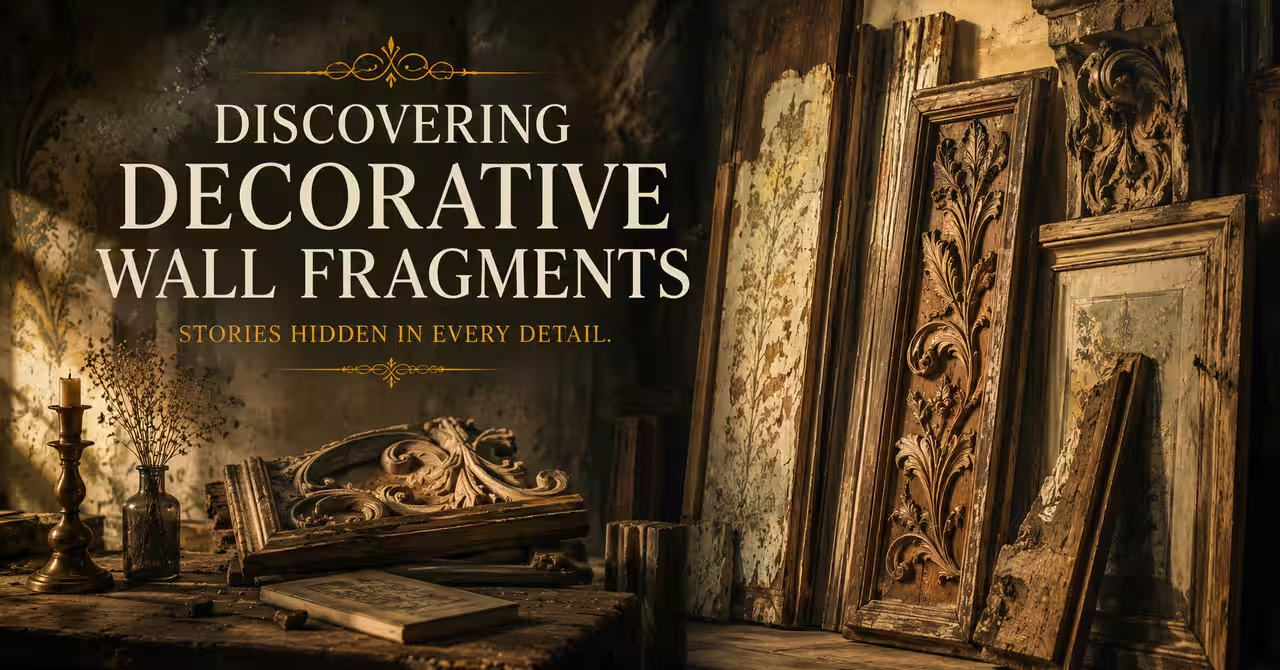
Discovering Decorative Wall Fragments
In the quiet corners of antique shops and the dim light of old homes, decorative wall fragments reveal themselves as hidden treasures, inviting us to explore their tales of craftsmanship and time. Each piece, crafted from richly grained timber or delicately carved veneer, speaks of a bygone era when artisans infused their souls into their work. Weathered yet dignified, these salvaged panels embody the emotional weight of history, evoking a beauty steeped in melancholy as they remind us of lives once intertwined with the spaces they adorned.
The Intrigue of Salvaged Artifacts
As we delve into the realm of architectural salvage, we encounter wall panels that resonate deeply with domestic narratives. Take a moment to observe a fragment, perhaps from an ornate mantel or a long-forgotten doorway. Notice the nuanced play of light against peeling layers of paint, and how dust settles delicately within the ornate carvings. Each scratch and wear mark reflects countless moments of life, echoes of a child’s laughter, the hushed whispers of secrets shared in intimate parlours. These fragments carry more than mere aesthetic charm; they prompt us to reflect on preservation and our connections to the past.
By collecting these remnants, we don't just bring them into our homes; we become part of their ongoing story. The chips and dulled finishes serve as testaments to their resilience, amplifying the beauty found in imperfection. In collector culture, these pieces transcend decorative accents; they merge our present experiences with the palpable histories that envelop them. For an insightful exploration of their cultural significance, consider why decorative salvage feels more authentic than modern decor.
The Emotional Landscape of Decorative Layers
Imagine transforming your wall into a tapestry of history, adorned with carefully arranged fragments that each tell their own tale. Picture a reading room enhanced by a meticulously carved cabinet front or a piece from a stately hallway, each panel offering a glimpse into lives once lived in those spaces. The layered textures of these artifacts forge an emotional dialogue, allowing light to cast gentle shadows and revealing the life imbued in the timber grain.
There’s a warmth to these salvaged pieces that cultivates a unique ambiance. In a hallway where a fragment of an old door now rests, the atmosphere feels intimate and inviting. Here, the echoes of memories resonate subtly between the walls, gently reminding us of the stories waiting to be told. Each home containing these remnants becomes a sanctuary, where past and present coexist harmoniously, enriching our domestic tapestry.
Beauty in Fragmentation
As you engage with these decorative wall fragments, consider how collecting transforms our understanding of beauty and memory. Notice the unique characteristics of each piece, the fine joinery, the softness of well-worn edges, or the rich patina that hints at lives once lived. Each object draws us closer to a shared human experience, reflecting our inherent desire to connect with history in an increasingly fast-paced world.
Every fragment beckons us to linger, to appreciate its artistry, and to reflect on the larger narratives it represents. In this way, fragmentation becomes a preservation of stories, a celebration of life's complexities and the moments we often overlook. These pieces are not merely ornaments but poignant reminders of the culture and identity we create around us.
Inviting the Past into Our Lives
Bringing decorative wall fragments into our homes invites more than aesthetic appreciation; it encourages reflection on our personal journeys. Each piece has the potential to redefine how we experience space, offering solace and connection in its presence. A single fragment can elevate a room, reshaping its emotional landscape, while multiple pieces arranged together create visual narratives that foster conversation and introspection.
As we contemplate loss and nostalgia, these panels remind us that memories are never truly lost; they await rediscovery. By intertwining these remnants into our lives, we participate in a cultural reimagining that acknowledges both the beauty and fragility of existence. In this way, we engage with the past, enriching our domestic atmosphere while celebrating the enduring legacy of craftsmanship.
The Collector’s Journey
The culture surrounding decorative wall fragments is vibrant, driven by a passion for the stories they hold. Enthusiasts traverse estate sales and auctions, each search fueled by hope of uncovering a hidden gem, one that resonates personally or fills a void in their collection. In doing so, they contribute to a larger narrative, partaking in a shared journey that cherishes the beauty of architectural elegance and the fragments of history that endure.
With every discovered piece, collectors curate a personal gallery and engage in an emotional dialogue with the past. Each fragment reflects a testament to time and craftsmanship, embodying an authentic beauty that speaks louder than any modern creation could. To delve deeper into this relationship, explore the allure of forgotten Victorian panels hidden inside old furniture, often revealing fascinating details that bridge the gap between eras.
Creating a New Narrative
As we embrace the journey of architectural salvage, we create more than aesthetic displays; we foster connections with the past, breathing life into decorative wall fragments that were once overlooked. Each panel, with its weathered timber and intricate designs, transforms our living spaces, imbuing them with warmth and authenticity.
To admire these fragments is to celebrate the stories they weave, a genuine ode to artistry, craftsmanship, and the human experience. Beyond being mere decorative items, these remnants serve as lenses through which we explore our ambitions, nostalgia, and connections to the past. By integrating them into our homes, we create an ongoing dialogue that honors both who we are and where we come from, inviting others to share in the reflections these artifacts inspire.
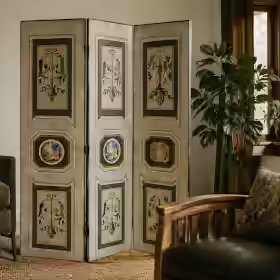
Browse surviving decorative panels, carved cabinets, and vintage room dividers currently circulating through the collector market.
Author's Notes
Notes & Memoranda
As is often the case, the subject extends beyond the bounds of a single article. The notes and memoranda below gather together useful definitions, related observations, references, and occasional curiosities discovered along the way.
Further Reading…
Disclosure
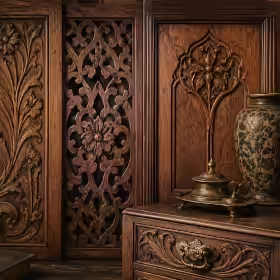
This article explores decorative furniture panel styles commonly associated with Victorian and Edwardian interiors, including carved oak, fretwork, embossed ornament, inlaid surfaces, and decorative veneers. The feature is presented in the curatorial style of Phillaneum.com and combines decorative commentary, historical interpretation, and atmosphere-focused interior observations. It is intended as an introductory editorial guide rather than a formal restoration manual, valuation guide, or conservation reference.