From Panel Detail to Collector Search
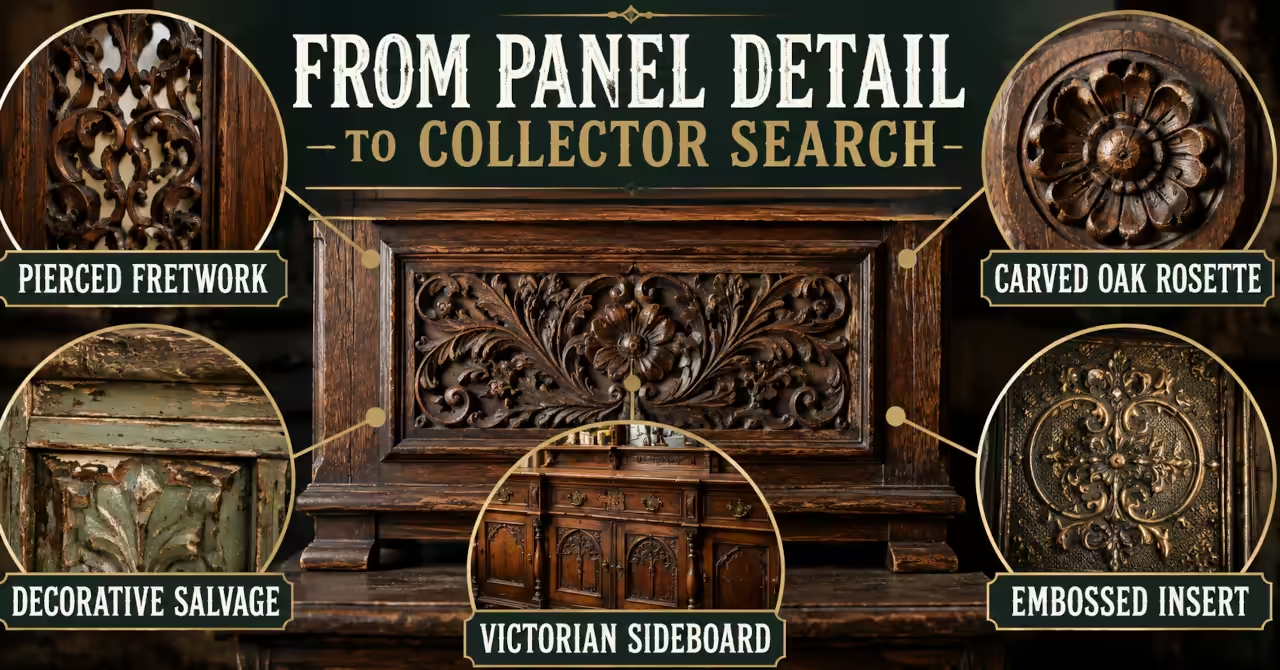
How One Detail Becomes a Search Term
A collector rarely begins with the perfect phrase. The search usually starts with one observed detail: a pierced corner, a carved flower, a recessed oak panel, a pressed metal insert, or an unusual cabinet front. That detail then becomes a practical search path: carved oak cabinet panel, Victorian fretwork door, embossed furniture insert, or decorative salvage panel.
This is where decorative observation becomes useful. The more accurately a collector can describe the visible feature, the better chance they have of finding related auction listings, restoration notes, salvage pieces, and comparable furniture examples.
Unearthing Stories in Decorative Furniture Panels
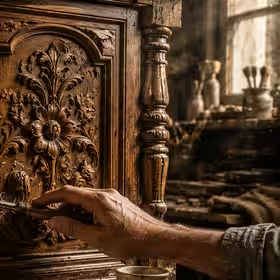
As light filters through a dusty workshop window, shadows play across the aged timber, highlighting the intricate carvings of decorative furniture panels. Each element, whether a swirling floral motif or a geometric design, tells a story of craftsmanship and tradition. To the discerning eye, these panels are not mere adornments; they offer a glimpse into history, inviting collectors to engage deeply with art and legacy.
Every collector search begins with somebody noticing something worth describing.
Windows to the Past: Carved Ornamentation
Picture running your fingers across a beautifully carved oak panel, feeling the contrast between polished surfaces and the sunken depths of its recesses. Here lies a blend of artistry and history, where floral bursts or whimsical creatures reveal the integrity of past artisans. Under layers of dust, one might unearth forgotten details, a flower petal curling from a dresser base or an owl peering through an archway in a hallway. Such nuances often go unnoticed, yet they hold powerful narratives, echoing the craftsmanship once celebrated. Collectors often use motifs such as floral carving, Gothic arches, animals, and geometric borders as search clues when tracing related furniture styles.
The Emotional Language of Collecting
Encountering antique furniture adorned with striking panels evokes a tangible connection. The emotional depth these pieces convey transforms utilitarian objects into cherished keepsakes and stories worth sharing. In spaces like parlours and reading rooms, intricate details catch light in ways that enrich the atmosphere, offering tales of intimacy and shared moments. Each decorative element begs questions: What secrets lie behind the wear of a beautifully-aged cabinet? What promises were made in its presence?
Restoration Clues, Not Restoration Instructions
Decorative panels can provide useful clues, but they should be read carefully. Deepened colour, softened carving edges, old screw holes, uneven finish, timber shrinkage, and accumulated polish can all suggest age or previous repair. None of these signs proves authenticity on its own.
For valuable, fragile, or historically important furniture, collectors should treat online research as a starting point rather than a final authority. A qualified furniture restorer, conservator, or experienced dealer can often identify construction details that photographs and listing descriptions miss.
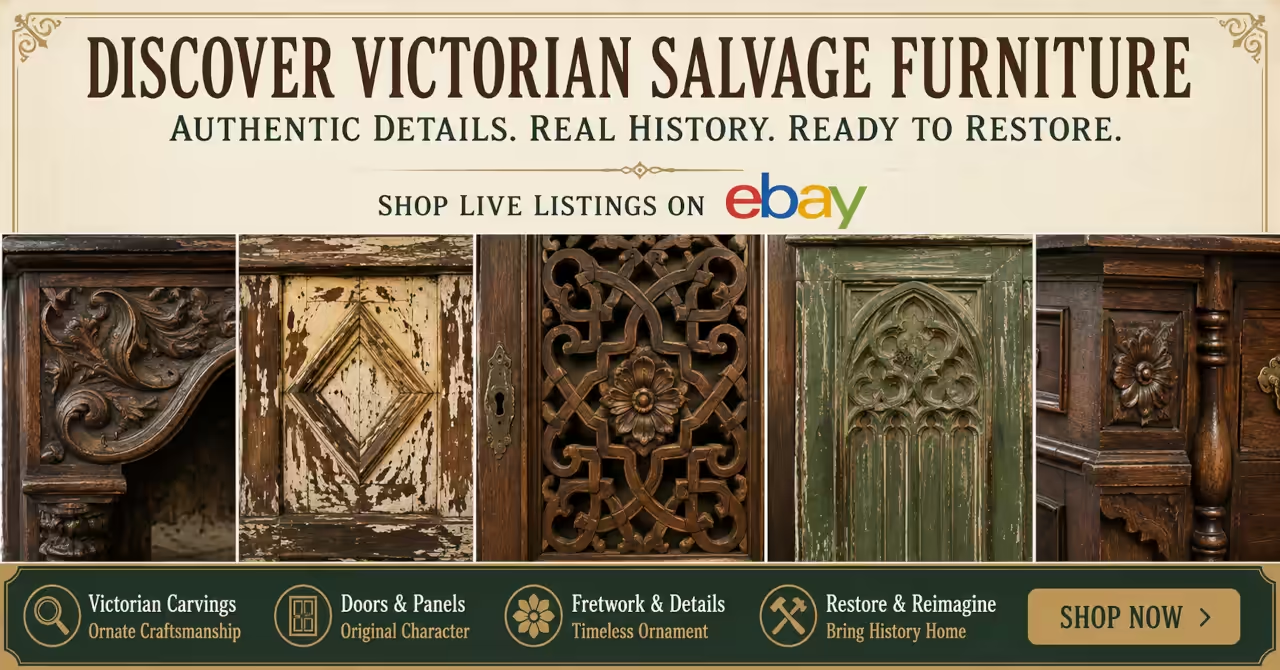
Browse surviving decorative panels, carved cabinets, and vintage room dividers currently circulating through the collector market.
A Journey Beyond Salvage: The Collector’s Eye
Whether scouring flea markets or estate sales, the thrill of discovery lies in transforming the ordinary into the extraordinary. Each piece, even those marked by time, carries its own narrative, waiting to be uncovered. Here, among peeling paint and splintered edges, the collector's eye finds beauty where others see only wear. This is the art of salvaging history, allowing us to invest ourselves in the objects we cherish, weaving a personal narrative enriched by texture and lore.
Collector Search Paths
Many collector journeys begin with one observed detail. The following search terms often uncover related examples, restoration discussions, and surviving decorative furniture.
Continuing the Decorative Panel Journey
As you embark on this rewarding path of collecting decorative furniture panels, remember that every detail serves as a guide to exploration. For further insights, consider resources like Strange Decorative Furniture Details Buyers Now Obsess Over. To enhance your vocabulary, delve into The Vintage Decorative Panel Searches Experts Actually Use. Each linked article offers insights that refine your journey, enriching your understanding and appreciation as you navigate the intricate world of decorative panels.
Embrace this quest not merely as an act of collection but as a cultivation of stories, with each panel standing as a doorway to the past and a celebration of artistry shaping our domestic spaces today. As you explore, let the details draw you into deeper connections with both your environment and the rich history it encompasses.
From the Curator's Workshop
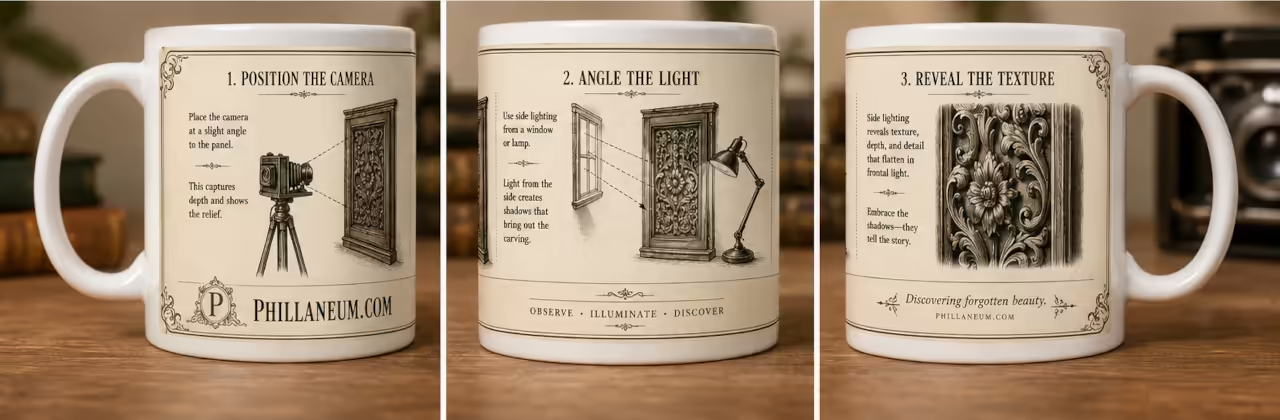
The decorative panel identification guide featured in this article is also available as a coffee mug inspired by the visual clues collectors use when recognising carved ornament, fretwork, and historic furniture details.
Author's Notes
Notes & Memoranda
As is often the case, the subject extends beyond the bounds of a single article. The notes and memoranda below gather together useful definitions, related observations, references, and occasional curiosities discovered along the way.
Glossary
- Embossed Panel
- In this article, embossed panels refer to decorative furniture surfaces featuring raised ornament or pressed patterns that create tactile depth. Collectors often use embossed details as identifying features when researching furniture styles, restoration history, or related examples.
- Pierced Fretwork
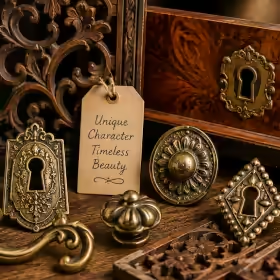
- Pierced fretwork describes decorative panels that have been cut through to create open patterns and shadow effects. Because the style is visually distinctive, it frequently becomes a useful search term when investigating Victorian furniture, decorative screens, and architectural salvage.
- Decorative Salvage
- Decorative salvage refers to reclaimed furniture components, architectural fragments, carved panels, and ornamental features preserved from older buildings or furnishings. Within this article, salvage pieces represent important clues that can lead collectors toward broader historical and restoration discoveries.
- Patina
- Patina is the visible ageing that develops on furniture through time, use, and environmental exposure. Changes in colour, polish, wear patterns, and surface texture can provide valuable context for collectors researching age, authenticity, and previous restoration work.
- Collector Search Pathway
- A collector search pathway is the process through which a single observed detail develops into deeper investigation. A carved motif, embossed ornament, or unusual panel texture may lead to specialised search terms, auction listings, restoration references, and historical research that expands understanding of an object.
Frequently asked questions
How do decorative panel details help collectors search?
Decorative panel details give collectors more precise search language. Features such as pierced fretwork, carved oak rosettes, embossed inserts, decorative salvage, and Victorian sideboard panels can turn a vague furniture search into a more useful collector pathway.
What search terms are useful for finding Victorian salvage furniture?
Useful search terms include Victorian carved sideboard, pierced fretwork panel, decorative salvage panel, carved oak cabinet door, Edwardian furniture panel, embossed furniture ornament, antique decorative insert, and ornamental timber panel.
Can decorative details prove a furniture panel is authentic?
No. Decorative details can suggest age, style, restoration history, or collector interest, but they do not prove authenticity by themselves. Materials, construction, condition, provenance, and expert inspection may all matter when value or restoration risk is involved.
Why do collectors look for damaged or salvaged decorative panels?
Collectors often look for damaged or salvaged decorative panels because wear, patina, carving, and surviving ornament can reveal useful clues about age, craftsmanship, restoration potential, and the decorative traditions behind historic furniture.
Further Reading…

Disclosure
This article explores how decorative furniture panel details can lead collectors toward useful search terminology, restoration research, and historical discovery. It combines decorative commentary, collector observations, and introductory historical interpretation. It is intended as an editorial guide rather than a restoration manual, valuation guide, or authentication reference.