The Vintage Decorative Panel Searches Experts Actually Use
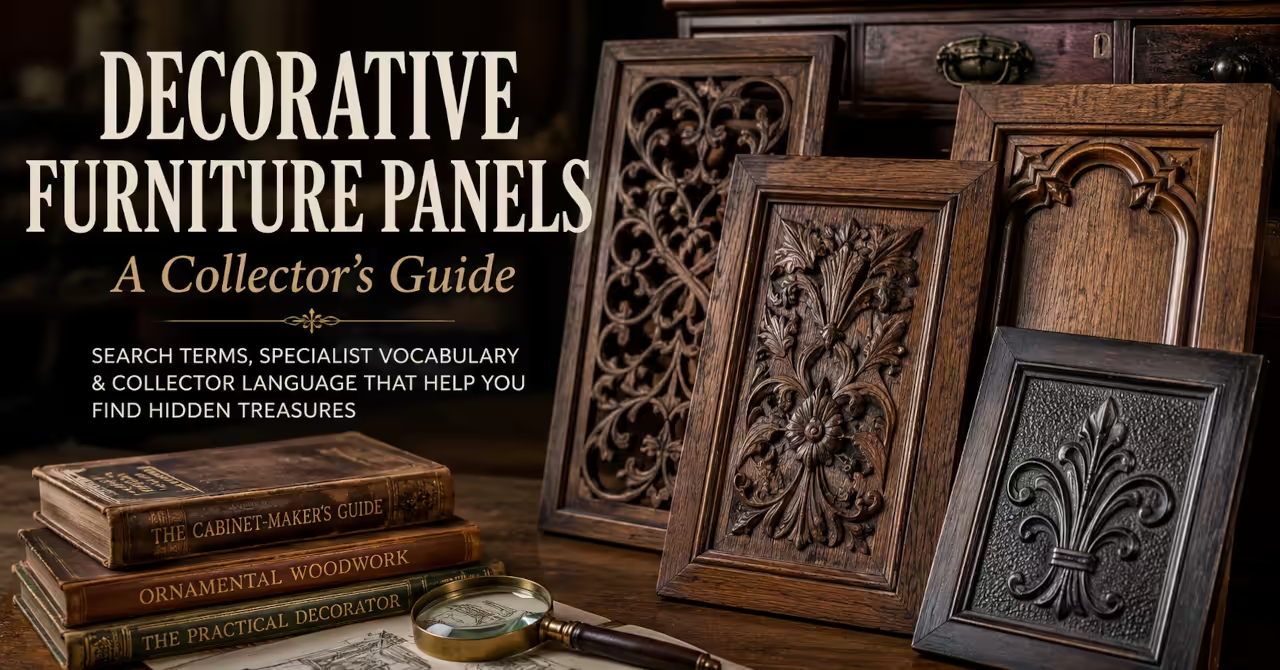
Unveiling Decorative Panels: A Collector’s Guide
In the world of antique furniture, decorative panels exemplify artistry and craftsmanship, weaving narratives into the fabric of our homes. From intricately carved fretwork to the precision of embossed surfaces, each panel not only showcases aesthetic beauty but also the stories of its artisans. For collectors, restorers, and enthusiasts, a solid grasp of the terminology surrounding these treasures is invaluable. Understanding this language allows for more informed choices when navigating auctions, flea markets, salvage yards, or online marketplaces.
The Language of Decorative Panels
Transforming the search for decorative panels into an enriching experience starts with embracing the specialised vocabulary of this niche. Take the term "fretwork," typically defined as crafted openwork patterns adorning edges and surfaces of cabinets or tables. The intricate interplay of light and shadow within these designs celebrates skilled craftsmanship, inviting closer inspection. Encountering a piece adorned with finely cut-out patterns connects us to the artisans whose hands shaped the wood.
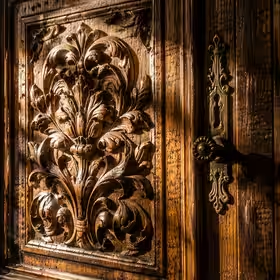
Moreover, "carved inserts" elevate a piece's narrative, presenting depictions of flora, fauna, or mythical creatures, each reflecting the cultural significance of its time. Imagine tracing your fingers along a beautifully carved panel, where each groove is not just a detail, but a portal to long-lost stories, deepening your connection to familiar spaces, such as a reading room, parlour, or hallway.
Search Terms Experienced Collectors Often Try
One of the surprises for new collectors is that many decorative panels are not listed using the phrase "decorative furniture panel" at all. Sellers frequently describe the object, construction method, furniture type, or decorative style instead. Learning these alternative search terms can uncover examples that casual buyers may never encounter.
- fretwork panel
- pierced fretwork
- carved oak panel
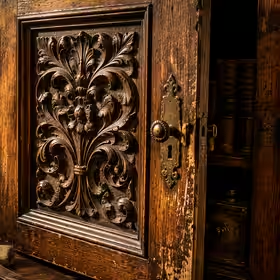
- cabinet door insert
- applied moulding furniture
- embossed furniture panel
- Victorian sideboard panel
- Edwardian cabinet carving
- architectural salvage panel
- ornamental furniture fragment
Experienced collectors often combine terms together. A search for "Victorian fretwork cabinet" may reveal completely different results from "decorative wood panel," even when describing broadly similar objects. Small changes in terminology can dramatically alter the objects discovered.
How Collector Searches Often Evolve
As knowledge develops, searches often become progressively more specific. A collector may begin with a broad decorative phrase and gradually refine their search as they learn the language of furniture construction and ornament.
- decorative furniture panel
- carved furniture panel
- Victorian carved panel
- Victorian oak sideboard panel
- pierced fretwork sideboard panel
- Arts and Crafts fretwork panel
Each step narrows the search and often reveals objects hidden from broader searches. Over time, collectors build personal lists of favourite search phrases that consistently surface unusual furniture, decorative fragments, and architectural salvage.
Embellishments and Their Significance
Applied mouldings play a crucial role in understanding decorative panels. These ornamental accents are not merely embellishments; they define the character of a piece. Whether featuring simple beading or elaborate carvings, the arrangement of mouldings enhances dimensionality and reflects the skill behind their creation. Differentiating between flat and raised mouldings can help assess authenticity and quality.
In the delicate balance between preservation and restoration, embossed surfaces present another fascinating category. Characterised by raised decorative designs, these panels often contain rich textures that communicate age and history. Each subtle imperfection carries traces of time, as dust settles in corners and patina develops through decades of use.
The Soul of Furniture: Creating Atmosphere
Beyond visual appeal, decorative panels influence the atmosphere of our living spaces. Whether found on a hall cabinet, sideboard, bookcase, or dresser, they contribute texture, rhythm, and visual interest. The tactile warmth of timber and the interplay of shadow across carved surfaces evoke feelings of familiarity and nostalgia.
An intricately carved Victorian panel may inspire a sense of history and permanence, while a lighter Arts and Crafts design may suggest craftsmanship and simplicity. Through careful observation of carving depth, moulding profiles, and decorative detail, appreciation gradually deepens.
Collecting with Intention: Noticing Nuances
As you explore decorative panels, pay attention to how terminology intersects with furniture history. Every nuance, from the shape of a fretwork opening to the profile of a moulding, can provide clues about age, style, and intended use. Understanding period styles and regional variations sharpens observation and strengthens collecting confidence.
The evolution of decorative panels mirrors broader changes in design taste and cultural priorities. Each surviving example functions as a small time capsule, preserving traces of craftsmanship, domestic life, and decorative ambition.
Continuing the Journey of Discovery
Many collectors maintain a shortlist of favourite search terms and revisit them regularly. Terms such as "pierced fretwork", "cabinet panel insert", or "Victorian carved panel" often reveal newly listed objects that never appear under broader decorative furniture searches.
For deeper insights into the panels that captivate collectors today, consider visiting The Decorative Panel Styles eBay Buyers Always Notice or learn more about the unique character of Pierced Fretwork Panels Collectors Rarely Ignore Today. To enrich your understanding of decorative design's evolution, explore Designer Decorative Panels (1902), a period source that reveals how these decorative ideas were originally discussed.
May your journey through the world of decorative panels uncover new terminology, new discoveries, and perhaps a few overlooked treasures waiting quietly in the corners of antique shops and salvage yards.
From the Curator's Workshop
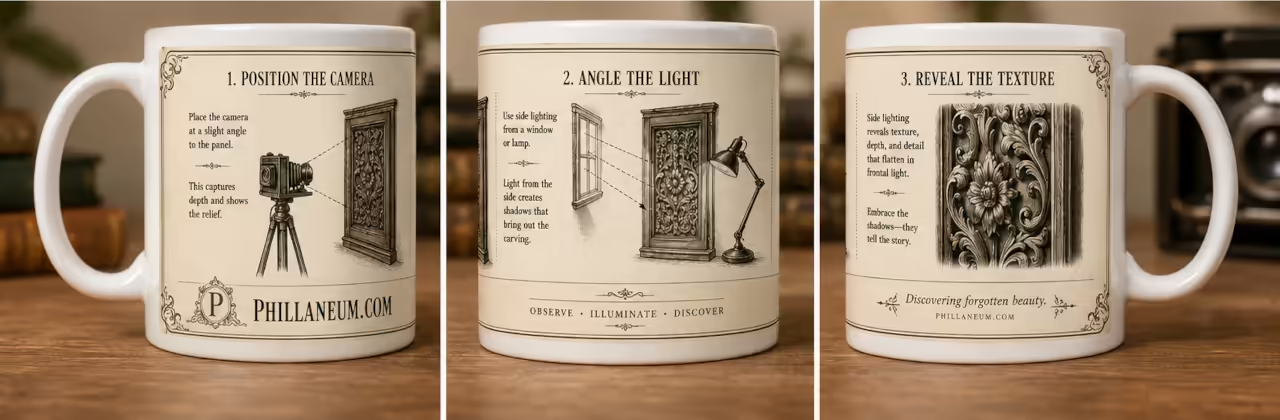
The decorative panel motif featured on this mug was inspired by the carved ornament and fretwork explored throughout the Decorative Furniture Panels articles on this site.
Author's Notes
Notes & Memoranda
Glossary
- Decorative Furniture Panel
- In this article, a decorative furniture panel refers to an ornamented surface or inset area on cabinets, sideboards, dressers, doors, and similar furniture. These panels may be carved, moulded, embossed, pierced, or otherwise shaped to add visual richness and historical character.
- Fretwork Panel
- A fretwork panel is a decorative panel with cut-out or openwork patterns. In vintage furniture, fretwork often creates a play of light and shadow that makes a piece feel more intricate, crafted, and visually alive.
- Pierced Fretwork
- Pierced fretwork refers to fretwork where the pattern has been cut through the material rather than simply carved into the surface. In collector searches, the term can help distinguish open decorative work from flat or shallow ornament.
- Carved Insert
- A carved insert is a decorative panel or inset piece featuring carved ornament, such as foliage, scrollwork, animals, flowers, or geometric detail. These inserts often provide clues about style, period, craftsmanship, and furniture quality.
- Applied Moulding
- Applied moulding refers to raised decorative strips or shaped timber pieces fixed onto a furniture surface. In this article, applied mouldings are discussed as details that add depth, frame panels, and help define the character of a piece.
- Embossed Panel
- In this article, embossed panels refer to decorative furniture surfaces featuring raised ornament or pressed patterns that create tactile depth. These details are discussed as both visual and physical textures that encourage closer observation and handling.
- Cabinet Door Insert
- A cabinet door insert is the central panel or decorative section within a cabinet door. It may be plain, carved, pierced, veneered, embossed, or moulded, and is often one of the most useful areas to study when identifying decorative furniture.
- Architectural Salvage Panel
- An architectural salvage panel is a recovered decorative panel from an older building, interior, cabinet, door, or fitted structure. These fragments are often valued for their age, patina, craftsmanship, and ability to suggest a larger lost decorative setting.
- Ornamental Furniture Fragment
- An ornamental furniture fragment is a surviving decorative piece separated from its original furniture context. In collector searches, this phrase may describe carved panels, moulded sections, fretwork pieces, or salvaged ornament offered as standalone decorative objects.
- Patina
- Patina refers to the surface character that develops through age, handling, wear, polish, dust, fading, and use. Within this article, patina helps explain why older decorative panels can feel warmer, more authentic, and more visually interesting than newer reproductions.
Frequently asked questions
What search terms help find vintage decorative furniture panels?
Useful search terms include fretwork panel, pierced fretwork, carved oak panel, cabinet door insert, embossed furniture panel, Victorian sideboard panel, architectural salvage panel, and ornamental furniture fragment. These terms often reveal listings that do not use the broader phrase decorative furniture panel.
Why do collectors search for pierced fretwork?
Collectors search for pierced fretwork because it describes decorative openwork where the pattern has been cut through the material. This helps distinguish intricate shadow-producing panels from flat carving or simple surface decoration.
What is a cabinet door insert?
A cabinet door insert is the central panel or decorative section within a cabinet door. It may be carved, moulded, pierced, veneered, embossed, or plain, and is often useful for identifying the furniture's style, age, and decorative intent.
How should a beginner refine decorative panel searches?
A beginner can start with a broad term such as decorative furniture panel, then refine the search using material, period, object type, or construction detail. For example, searches may progress from carved furniture panel to Victorian carved panel, Victorian oak sideboard panel, or pierced fretwork sideboard panel.
Further Reading…
Disclosure
This article explores decorative furniture panel styles commonly associated with Victorian and Edwardian interiors, including carved oak, fretwork, embossed ornament, inlaid surfaces, and decorative veneers. The feature is presented in the curatorial style of Phillaneum.com and combines decorative commentary, historical interpretation, and atmosphere-focused interior observations. It is intended as an introductory editorial guide rather than a formal restoration manual, valuation guide, or conservation reference.