Stop Ignoring the Furniture Front
·Revised
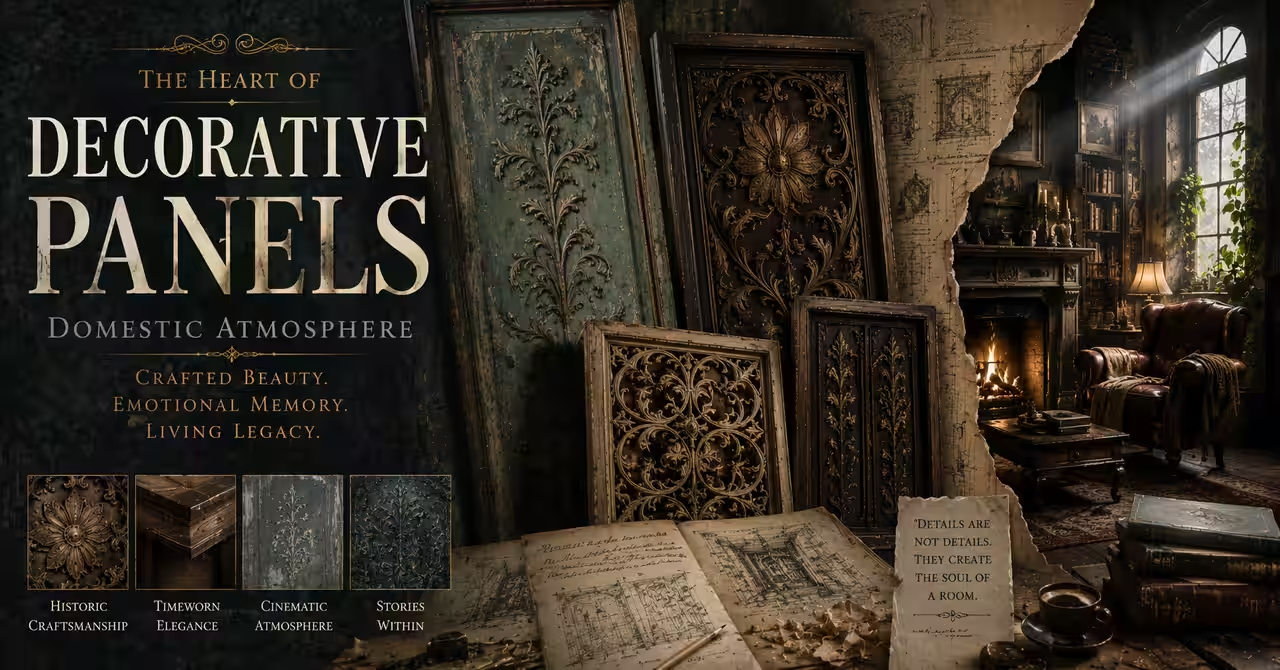
The Furniture Front Is Not Background
Stop treating the furniture front as dead space.
A cabinet door, sideboard face, dresser front, or wardrobe panel is not merely the part that opens. It is one of the largest decorative surfaces in a room. Yet modern interiors often teach us to look past it. We notice the wall colour, the artwork, the television, the rug, the lamp, and then quietly reduce the furniture itself to storage.
Older decorative furniture asks for a different habit of looking. Its front was meant to hold attention. Carving, fretwork, moulding, veneer, brasswork, shadow, polish, and patina all worked together to give the room visual weight. The furniture front was not an afterthought. It was part of the room’s architecture.
Rooms Teach the Eye Where to Look
Every room trains the eye. A modern room often directs attention toward screens, blank walls, framed prints, or isolated feature objects. The furniture becomes neutral support: flat, quiet, useful, and forgettable.
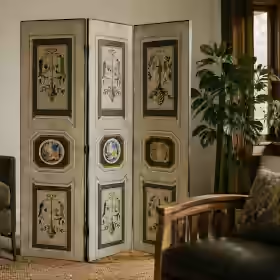
Decorative furniture changes that arrangement. A carved sideboard beneath a mirror, a panelled wardrobe in a bedroom, or a fretwork cabinet in a hall gives the eye somewhere to pause. The room no longer depends entirely on wall art or colour for atmosphere. The furniture begins carrying the visual life of the room.
This is why old furniture can make a room feel settled even before it is fully decorated. The ornament is already doing some of the work. The front surface holds shadow, pattern, age, and craft. It gives the room a centre of gravity.
Perhaps the difference is not that earlier homes contained more decoration, but that they taught people to look in more places.
Ornament Gives Furniture Presence
Flat furniture disappears quickly. It may be elegant, practical, or calm, but it often withdraws from the room. Decorative furniture does the opposite. It announces that the object has presence.
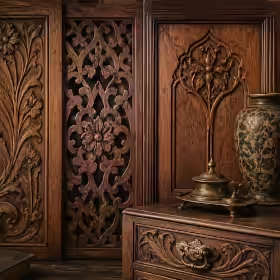
A carved panel catches light along its raised edges. A fretwork door casts small shadows into its openings. An old veneer front changes tone as the viewer moves across the room. A brass escutcheon, a worn handle, or a darkened moulding interrupts the flatness and reminds us that the object has been touched, used, polished, repaired, and kept.
That presence matters. It is the difference between a room that contains furniture and a room that is shaped by furniture. Once the eye starts reading the fronts of cabinets, dressers, wardrobes, and sideboards, the whole room becomes richer.
The Point Is Simple
If you ignore the furniture front, you ignore one of the most powerful decorative surfaces in the room.
Walls are not the only place where atmosphere lives. A room can be shaped by the face of a sideboard, the panels of a wardrobe, the shadow of a cabinet door, or the worn polish of an old dresser. These surfaces carry ornament at human height, close enough to touch, notice, and live with.
So the next time a room feels bare, do not only ask what should go on the wall. Ask what the furniture front is doing. If it is doing nothing, the room may be missing one of its quietest sources of character.
For further exploration, continue with Why Not Furnish Around the Panel?, consider the theatrical role of ornament in The Decorative Panel as Domestic Stagecraft, and revisit the broader emotional setting in The Emotional Warmth of Ornamented Victorian Homes.
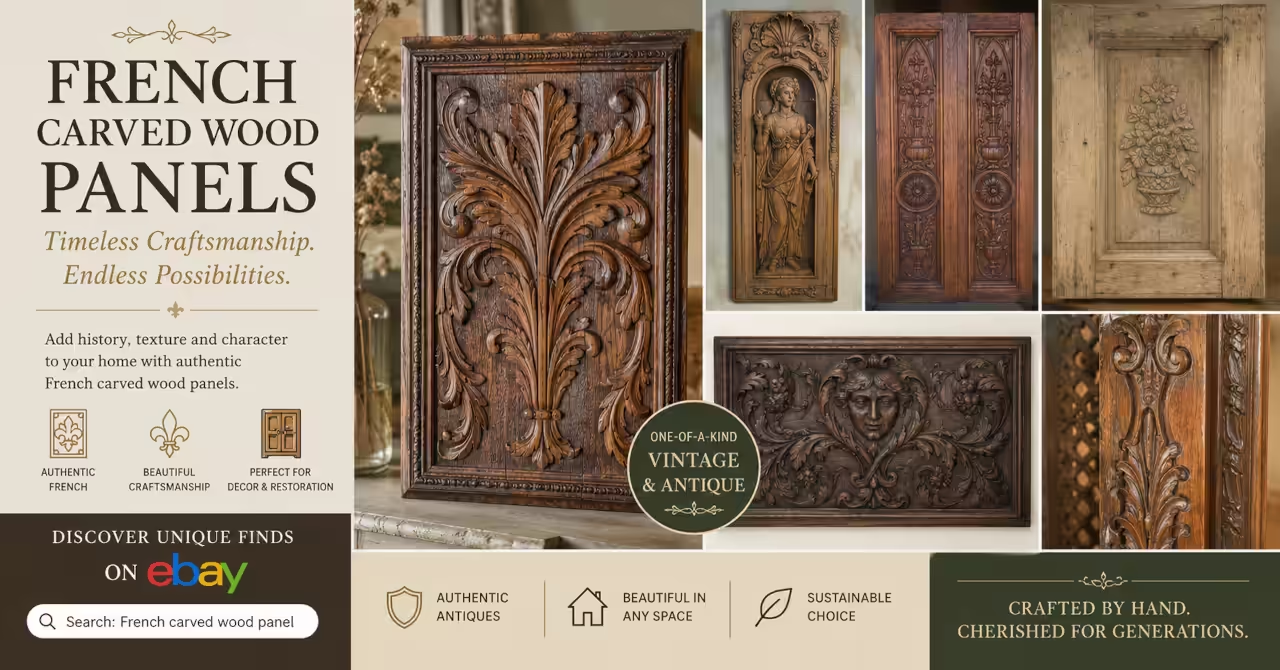
Market snapshot: A search of eBay for French carved wood panels reveals a surprisingly active niche market centred on decorative surfaces rather than complete pieces of furniture. Listings are dominated by carved oak and walnut panels featuring floral motifs, Gothic tracery, religious figures, and architectural ornament, with prices generally ranging from affordable decorative fragments through to higher-value matching pairs and deeply carved examples. Perhaps most strikingly, many of these panels are now being sold independently of the cabinets, wardrobes, and interiors they once belonged to, demonstrating that decorative surfaces can retain visual and cultural value long after their original furniture has disappeared.
Author's Notes
Notes & Memoranda
As is often the case, the subject extends beyond the bounds of a single article. The notes and memoranda below gather together useful definitions, related observations, references, and occasional curiosities discovered along the way.
Mentions & Echoes
The following articles extend or reflect the ideas explored here, returning to similar questions through different materials, contexts, and lines of inquiry.
- The Phillaneum Gazette 005 – Decorative Furniture Panel Special – selected as a featured article examining why decorative furniture fronts once occupied a central place in interior design and what their disappearance reveals about changing attitudes toward ornament and craftsmanship.
From the Curator's Workshop
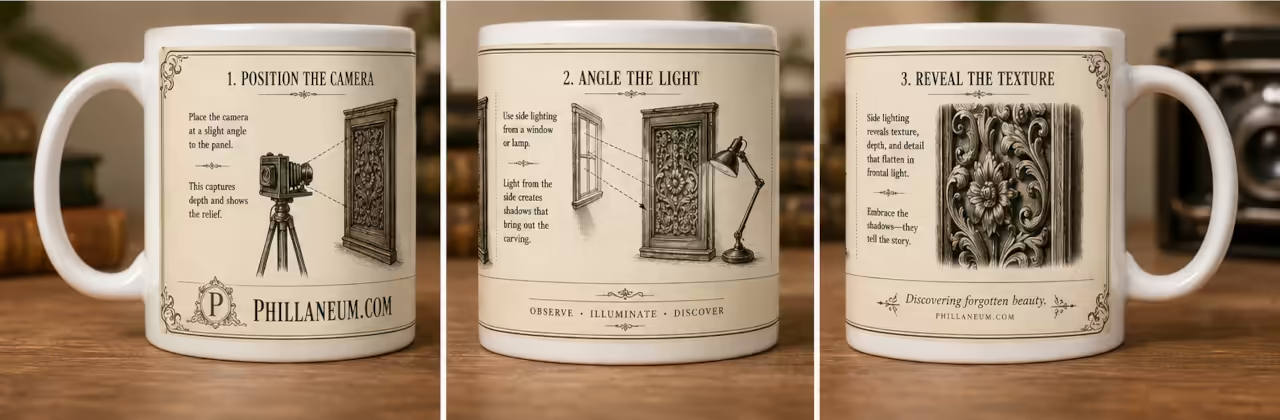
Decorative motifs often reveal their character through light, shadow, and surface texture. This collector's reference mug features a practical guide to photographing fretwork, carved ornament, and decorative furniture panels, helping enthusiasts document decorative details for restoration projects, research notes, collection records, and motif-inspired creative work. It is a small reminder that many of the patterns found on textiles, furnishings, and decorative objects often begin with careful observation of the original ornament itself.
Further Reading…

Disclosure
This article explores decorative furniture panel styles commonly associated with Victorian and Edwardian interiors, including carved oak, fretwork, embossed ornament, inlaid surfaces, and decorative veneers. The feature is presented in the curatorial style of Phillaneum.com and combines decorative commentary, historical interpretation, and atmosphere-focused interior observations. It is intended as an introductory editorial guide rather than a formal restoration manual, valuation guide, or conservation reference.