Art Nouveau Never Really Disappeared
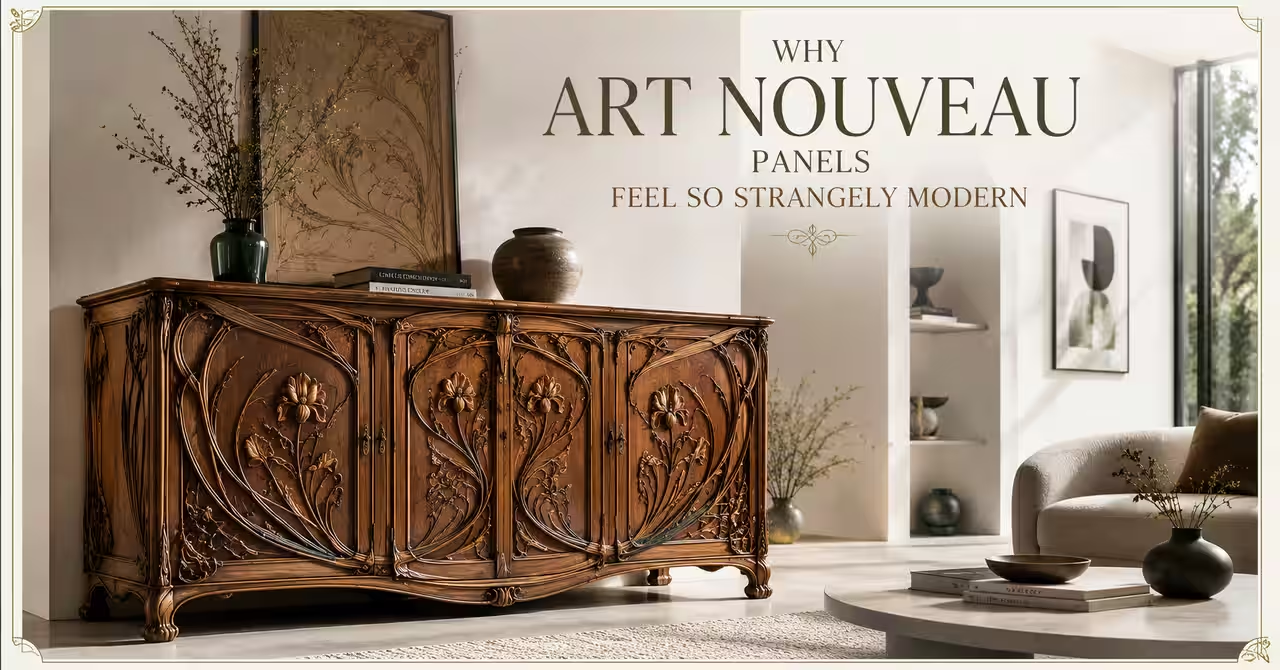
Why Art Nouveau Panels Feel Strangely Modern
Stepping into a room adorned with Art Nouveau panels, one feels surrounded by furniture that resonates with life. Emerging at the intersection of the 19th and 20th centuries, these decorative treasures marry nature and craftsmanship with a captivating complexity. The fluid lines and intricate motifs evoke a sense of familiarity that seems surprisingly contemporary, even amidst our era of stark minimalism. This paradox reflects a cultural yearning for organic ornamentation, where aesthetics intertwine with emotional depth, creating spaces that softly engage the senses.The Enchantment of Organic Forms
At the heart of Art Nouveau lies a distinctive embrace of asymmetry and organic forms. This is not merely design; it’s a conversation with the natural world. Each panel, characterized by flowing curves and gentle silhouettes, invites viewers to linger. Consider the delicate tendrils and blossoms unfurling from the wood itself, like memories captured in time. This aesthetic diverges sharply from the rigid geometry of preceding styles, establishing a sense of harmony within the apparent chaos of nature. As you explore the textured surface of a vintage dresser adorned with these motifs, notice how light dances across the materials: the deep richness of walnut, the soft sheen of carved brass handles, and the varied shades of patina that reveal layers of history. The gentle architectonics of these pieces encourage tactile exploration, inviting fingers to trace soft contours and intricate filigree that testify to the artist's meticulous craftsmanship.Memory Embedded in the Grain
There is a quiet poetry in everyday encounters with Art Nouveau panels, particularly in the context of home. Imagine moving through the hushed halls of an old house, fingers grazing the finely carved details of an antique sideboard. Dust gathers in the recesses, marking the lives that have touched these surfaces, children's laughter, shared evenings around a warm fire. In such moments, the mundane act of dusting reveals not merely surfaces but stories embedded in the very wood, connecting generations through the simple act of care. It is precisely in these rituals of cleaning and restoration that we engage in recognizing the beauty of age. Each nick and smudged edge becomes a badge of honor, reflecting resilience through time. Gentle imperfections celebrate the character of what once was new, intricately woven into the fabric of memory.The Emotional Landscape of Vintage Interiors
Art Nouveau panels do more than decorate; they redefine the emotional landscape of domestic settings. In bedrooms and parlours where these ornamented surfaces reside, a unique warmth radiates. Flowing lines impart intimacy, while organic designs create spaces that nurture the spirit, inviting moments of stillness, from cozy evenings flipping through dog-eared pages in a reading nook to sharing heartfelt conversations amidst flickering candlelight. Observe how light plays across these surfaces, absorbing and reflecting in varying degrees. They soften the visual noise of a room. In a sun-drenched hallway, vibrant stained glass tells stories that shift throughout the day; in a dimly lit parlour, the panels exude a sense of closeness, inviting whispers of shared confidences.Contemporary Relevance of Historical Aesthetics
Today, the allure of Art Nouveau resonates with those seeking to enrich their environments with intentional beauty. As designers and collectors create spaces that foster emotional fulfillment, these panels stand as beacons of a gentler aesthetic, countering the starkness of minimalism. They invite reflection on ornamentation, not merely as visual embellishment but as a means to cultivate emotional experiences. Examining Art Nouveau reveals a flourishing curiosity that transcends nostalgia. Each piece enhances visual appeal while acting as an emotional anchor, deepening our connection to our spaces. As you engage with these decorative elements, appreciate how each curve and detail speaks to the craftsmanship of its time while resonating with modern sensibilities. These designs carry a profound dialogue. Who were the artisans behind them? How did their inspirations shape our understanding of beauty today? By unearthing these layers, we create pathways into history, inviting us to reflect on the craftsmanship that elevates our environments. Each panel offers a narrative that draws us closer to our shared human experience, rooting us in a time when beauty was an everyday necessity rather than an afterthought. As these discussions unfold, we uncover opportunities for personal connection, integrating history and artistry into our stories. In a world often eager to distance itself from the past, Art Nouveau panels remind us that beauty intertwined with our daily lives crafts lasting sanctuaries for reflection and warmth.Embracing the Decorative Legacy
The presence of Art Nouveau panels in modern interiors challenges us to reconsider our relationship with our living spaces and one another. By celebrating the organic beauty of these panels, we affirm a shared belief that design can embrace complexity. This blend of craftsmanship and emotional resonance compels us to consider how the features of our surroundings can enhance our lives. In every curve and detail of an Art Nouveau panel, we encounter not just past elegance but a vibrant reminder of the present. Embracing these historical designs allows us to weave our stories into the fabric of our homes, echoing the artistry of those who came before us while reflecting our aspirations. As we appreciate and restore these exquisite works, we may find solace and meaning in the lingering traces of their history. Amidst the curves and intricacies of decorative art lies a richer understanding of ourselves and our world. Through this journey, the past and present converge, revealing a shared narrative that encourages us to cherish the beauty inherent in every lived moment.Browse surviving decorative panels, carved cabinets, and vintage room dividers currently circulating through the collector market.
Author's Notes
Notes & Memoranda
As is often the case, the subject extends beyond the bounds of a single article. The notes and memoranda below gather together useful definitions, related observations, references, and occasional curiosities discovered along the way.
Further Reading…
Disclosure
This article explores decorative furniture panel styles commonly associated with Victorian and Edwardian interiors, including carved oak, fretwork, embossed ornament, inlaid surfaces, and decorative veneers. The feature is presented in the curatorial style of Phillaneum.com and combines decorative commentary, historical interpretation, and atmosphere-focused interior observations. It is intended as an introductory editorial guide rather than a formal restoration manual, valuation guide, or conservation reference.